
 Water damage drying
 Fire & smoke cleanup
 Mold remediation
 Storm response
 Sewage cleanup
 Reconstruction
Free visual inspection and a written scope of work before any mitigation begins - photos, moisture readings, and drying logs go in your claim file
The scope we write is the scope we bill. Anything new gets shown to you, in writing, before we touch it.
Get your free estimateFast, Reliable Water Damage Restoration Across Costa Mesa
Water damage restoration in Costa Mesa typically runs $2,800 – $7,500 for a full structural dry-out, with smaller extraction-only jobs starting around $900. Most calls in the 92626, 92627, and 92826 zip codes are answered same-day because the marine layer doesn’t wait. We’re Stonecrest Water Damage, and we’ve worked enough Costa Mesa properties to know that a “small” water call on the westside often hides something bigger behind the stucco. Call (833) 589-9161 any hour, and we’ll have a certified tech on the way.
Costa Mesa’s position in the coastal fog belt just inland of Newport Beach means water intrusion works differently here than it does ten miles inland. Persistent onshore damp, aging mid-century plumbing, and slab foundations combine into a pattern we see repeatedly: slow leaks that have been running for weeks before anyone notices. That’s not a knock on homeowners. It’s what galvanized supply lines under a 1950s fourplex do when the soil shifts and the marine air keeps everything slightly damp year-round. Our Water Damage Restoration team knows exactly what to look for before the first fan goes up.
Why Stonecrest Water Damage Is Costa Mesa’s Preferred Water Damage Restoration Company
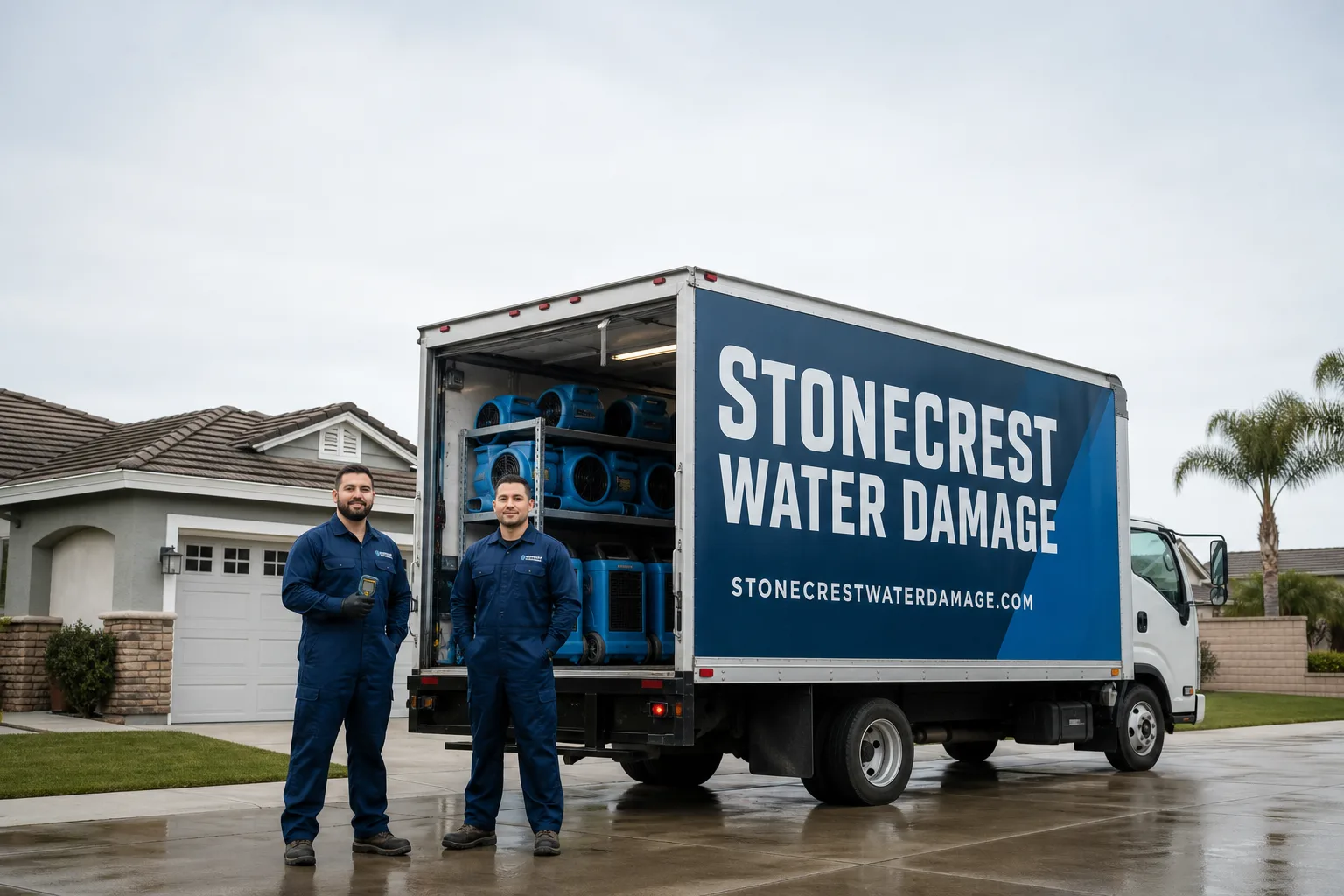
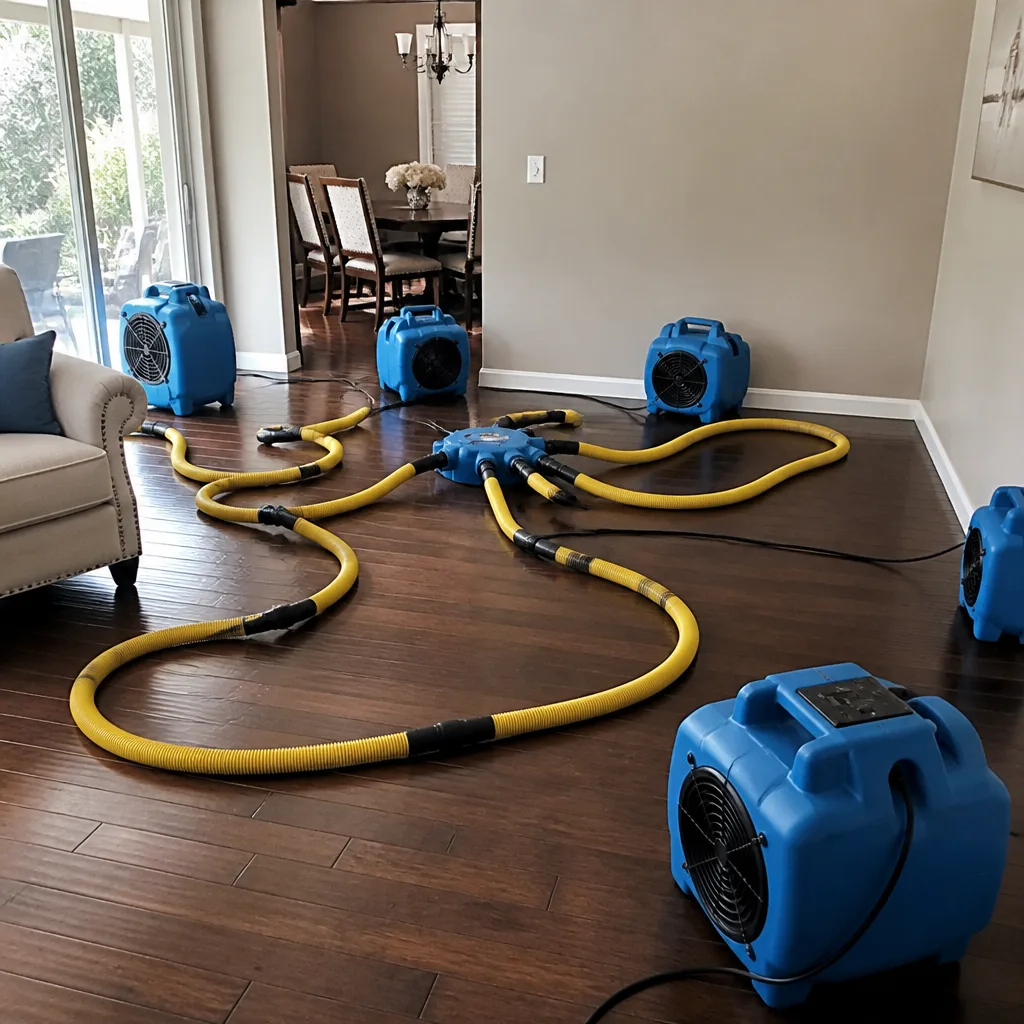
Costa Mesa homeowners call us because we show up with the same Dri-Eaz and Phoenix drying systems used on large commercial loss sites, not rental-store machines. The distinction matters when you’re dealing with water that’s been wicking through plaster and original hardwood for days. Rental fans move air. Our equipment, paired with IICRC-certified processes, moves moisture out of wall cavities to a logged, measurable dry standard. That’s the difference between a job that’s done and a job that’s documented as done.
We’ve worked the westside fourplex clusters near the 55 and Newport Boulevard, the Mesa del Mar tracts, and the high-value Eastside and South Coast Metro properties. A tenant’s musty closet in 92627 gets the same commercial-grade response as a supply-line failure ripping through a $1M+ finished garage off Irvine Avenue. Different scope, different finish-matching requirements, same standard of measurement and documentation.
Neil Stratton, who leads our team, built the company’s approach around a simple principle: if a restoration isn’t measured and documented to IICRC standards, it wasn’t really done. That’s why every job includes moisture mapping readings from our Phoenix and Dri-Eaz meters, not just a visual once-over before pack-out. Insurers trust documentation. So do third-party inspectors. So should you.
Restoration work we handle
Flood Damage Restoration in Costa Mesa
Flood damage restoration in Costa Mesa starts with extraction, moves to structural drying, and ends with documented dry-standard readings that a homeowner or insurer can verify. The first sentence matters because the first 48 hours matter more. Water from a broken supply line, an overflowing washing machine, or a clogged drain line doesn’t sit still. It wicks up drywall, seeps under tile, and settles into slab cracks. In Costa Mesa’s marine-layer humidity, that moisture doesn’t evaporate on its own. It lingers. And within 24 to 48 hours, the conditions are right for mold.
Typical flood damage restoration in Costa Mesa runs $1,800 – $5,500 depending on how far the water has traveled and what it saturated. A contained kitchen overflow where we’re on site within hours costs far less than a slab-fed leak that’s been running under a fourplex unit for three weeks. The westside’s older stucco bungalows and apartment clusters hide more of these long-running losses than most homeowners realize.
Emergency Extraction and Containment
We start with extraction using truck-mounted and portable systems sized to the job. A burst pipe in a 92627 fourplex doesn’t need the same equipment as three inches of standing water in a South Coast Metro garage. We set containment where necessary to keep moisture from spreading, then map the affected area with meters to see what the water actually reached. Visual dryness is not the standard. Measured dryness is.
Structural Drying and Moisture Mapping
Older Costa Mesa plaster walls and original hardwood hold water differently than modern drywall. We use Injectidry systems to dry inside wall cavities and under cabinetry without unnecessary demolition, which matters when the finish is original 1950s stucco or tile that can’t be matched from a supply house. Every drying chamber we set gets logged readings at regular intervals until the structure hits IICRC S500 dry standard.
Water Damage Cleanup in Costa Mesa
Water damage cleanup in Costa Mesa means removing the water, the saturated material, and the conditions that let mold take hold before the 48-hour mark passes. It’s not enough to suck water out of a carpet and point a fan at the baseboard. In 92627’s fog-belt climate, wall cavities and closets stay damp year-round from condensation alone. Add a slow slab leak, and you’ve got a Category 2 or 3 loss hiding behind original plaster that looks fine from the outside.
Cleanup costs in Costa Mesa generally run $900 – $3,200 for scoped water extraction and drying, with the upper range covering antimicrobial treatment, content pack-out, and disposal of unsalvageable drywall and insulation. The real cost driver here isn’t the water volume. It’s how long the water has been present before we get the call.
Content and Belonging Salvage
We photograph everything before we move it. Then we pack out salvageable contents, inventory them, and clean what can be cleaned. Hard goods usually survive. Paper-faced drywall from a 1950s fourplex usually doesn’t. The documentation matters when you’re filing an insurance claim. Adjusters respond to evidence, not estimates.
Antimicrobial Treatment and Mold Prevention
Once the structure hits dry standard, we treat affected surfaces with antimicrobial products to stop what the drying didn’t kill. In older Costa Mesa homes with original stucco and plaster, we’re often dealing with moisture that’s been present long enough for mold spores to colonize inside wall cavities. Cutting out the non-salvageable lower wall is sometimes the only honest fix. We tell you that before we cut, not after.
Trusted Brands We Service in Costa Mesa
We service the equipment Costa Mesa homeowners and property managers actually run: Rheem and Bradford White water heaters, American Standard and Moen supply fixtures, Whirlpool and LG laundry lines, and slab plumbing tied to original galvanized and early copper supply lines. When a 1960s bungalow off Baker Street pops a supply line, we know the plumbing arrangement and the likely failure point before we open the wall. That local familiarity gets the job scoped faster and keeps demolition to what’s actually necessary.
Common Water Damage Restoration Problems We See in Costa Mesa Homes
- Slab leaks in 92627 bungalows and fourplexes: Original galvanized and early copper supply lines under 1950s and 60s slabs corrode from soil contact and shifting ground. Water travels up through the slab, wicks into baseboard and paper-faced drywall, and sits in wall cavities for weeks before a tenant or owner notices the musty odor.
- Marine-layer condensation in closets and wall cavities: Costa Mesa’s persistent morning fog and onshore flow off the Pacific keeps interior wall cavities damp year-round. Drying a job to visible-dry without full moisture mapping almost guarantees the mold comes back within a season.
- Hidden mold behind original stucco and tile: Older plaster walls and original tile hold moisture far longer than modern drywall. By the time staining shows on the surface, the cavity behind it has usually been wet long enough for mold to colonize.
- Mismatched building values across one market: A water loss in a westside apartment fourplex off the 55 needs a full mold gut and rebuild, while the same square footage a few minutes east on the Eastside is a finish-matching restoration where preserving original stucco and hardwood drives the entire scope.
See the difference
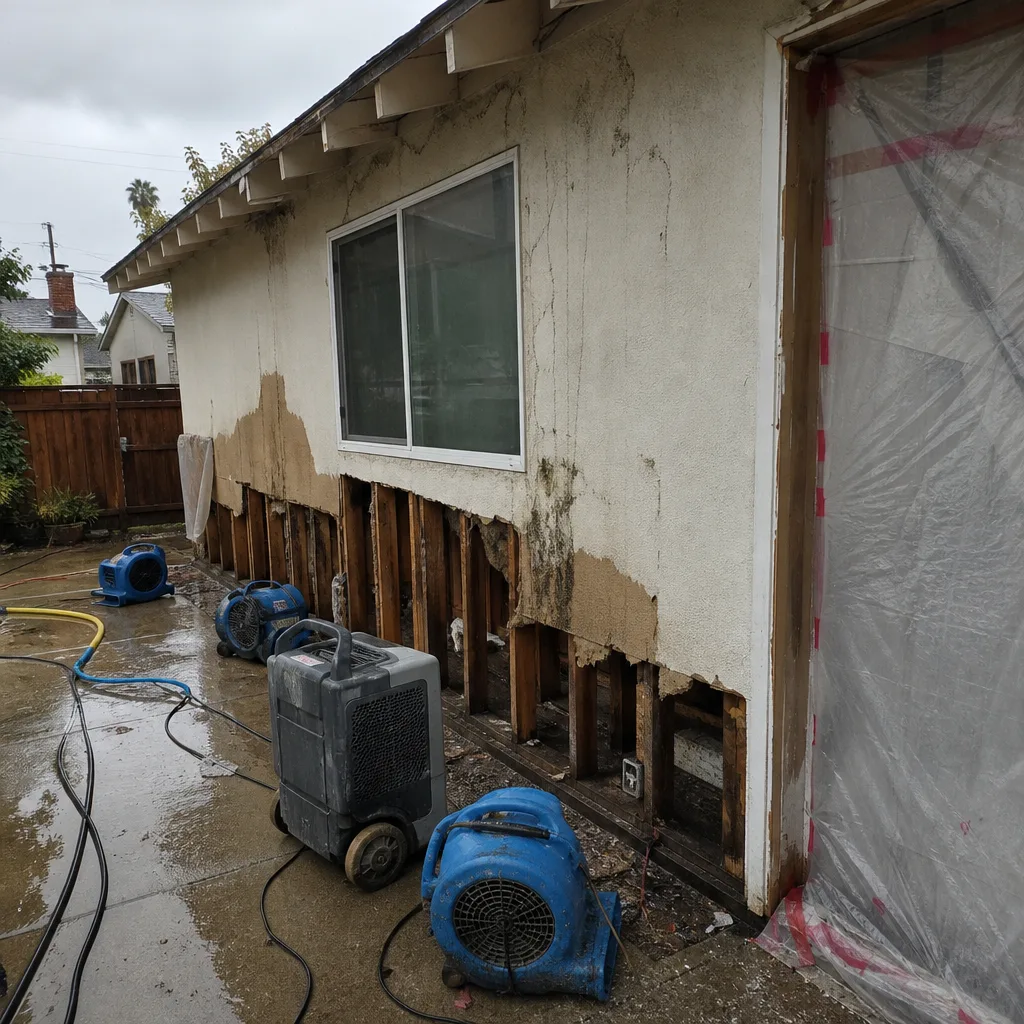 Before
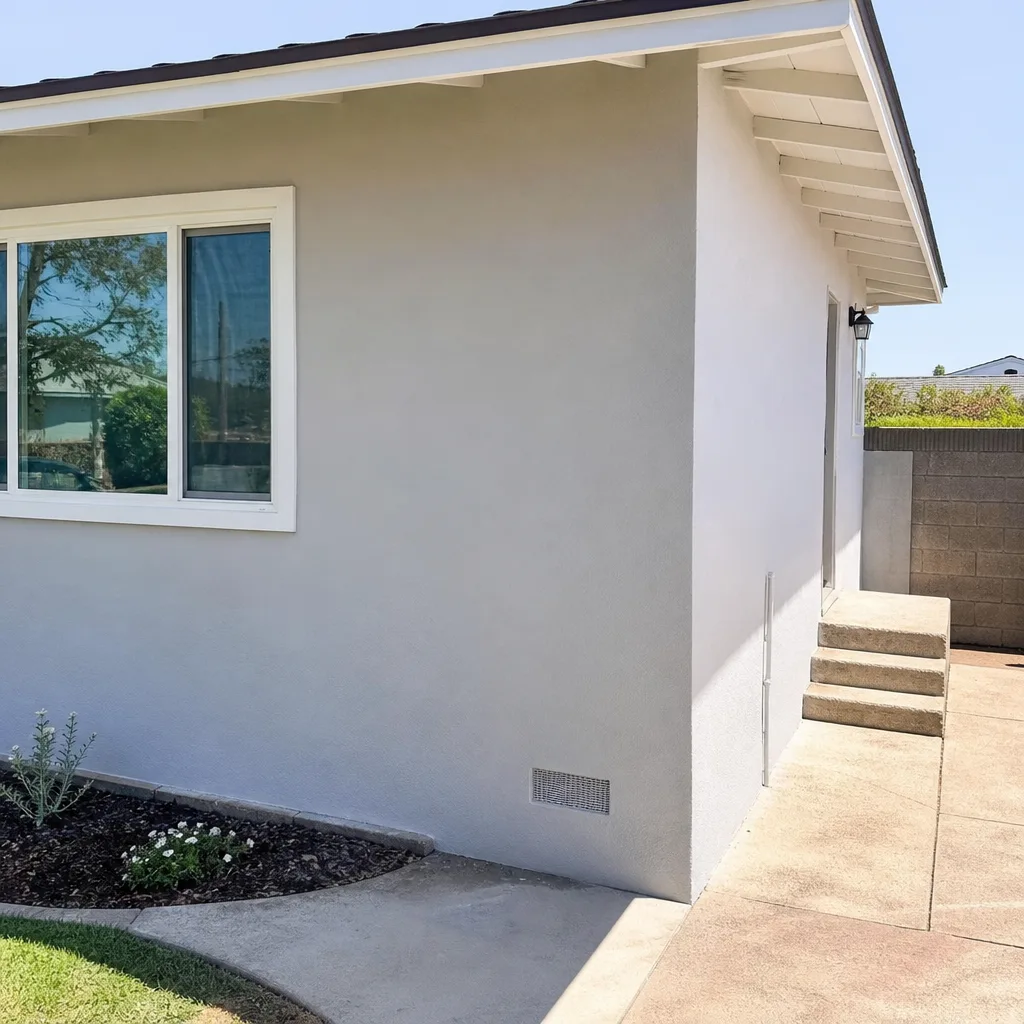 After
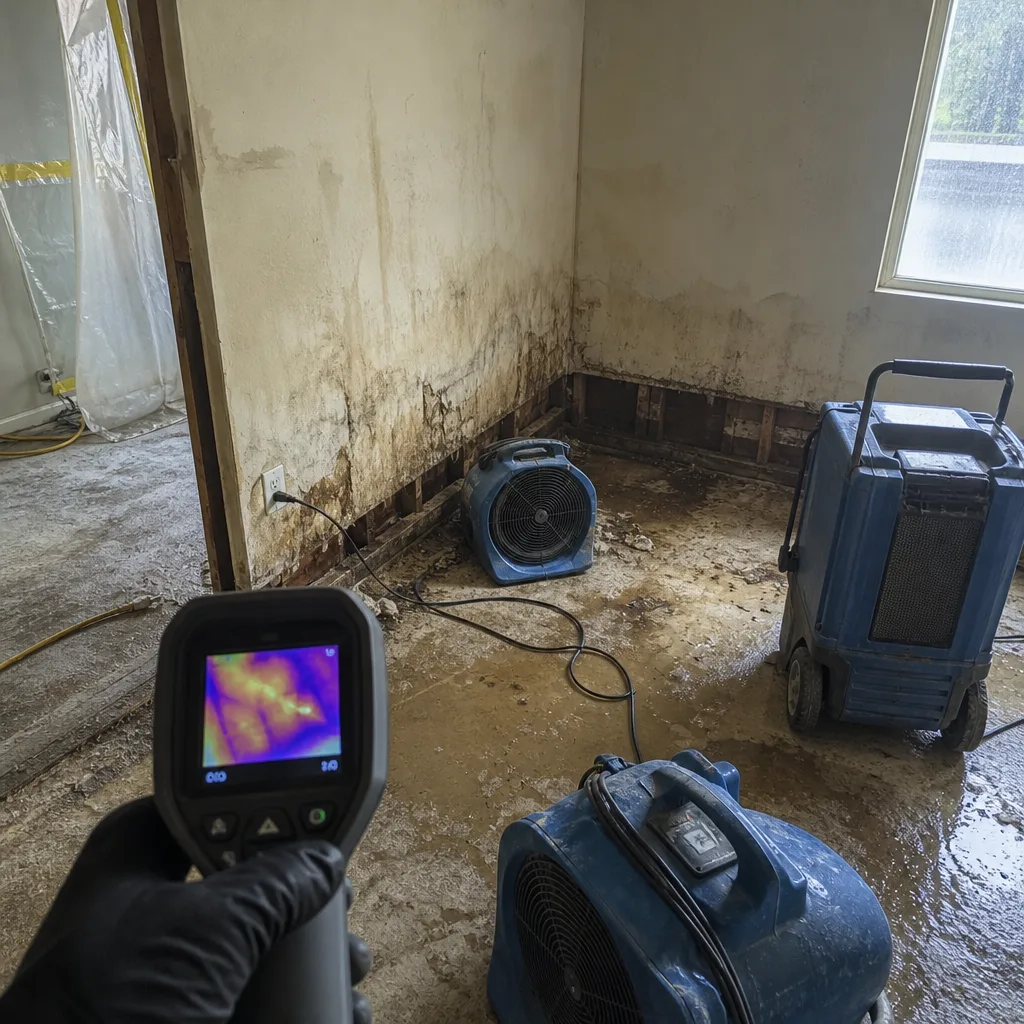 Before
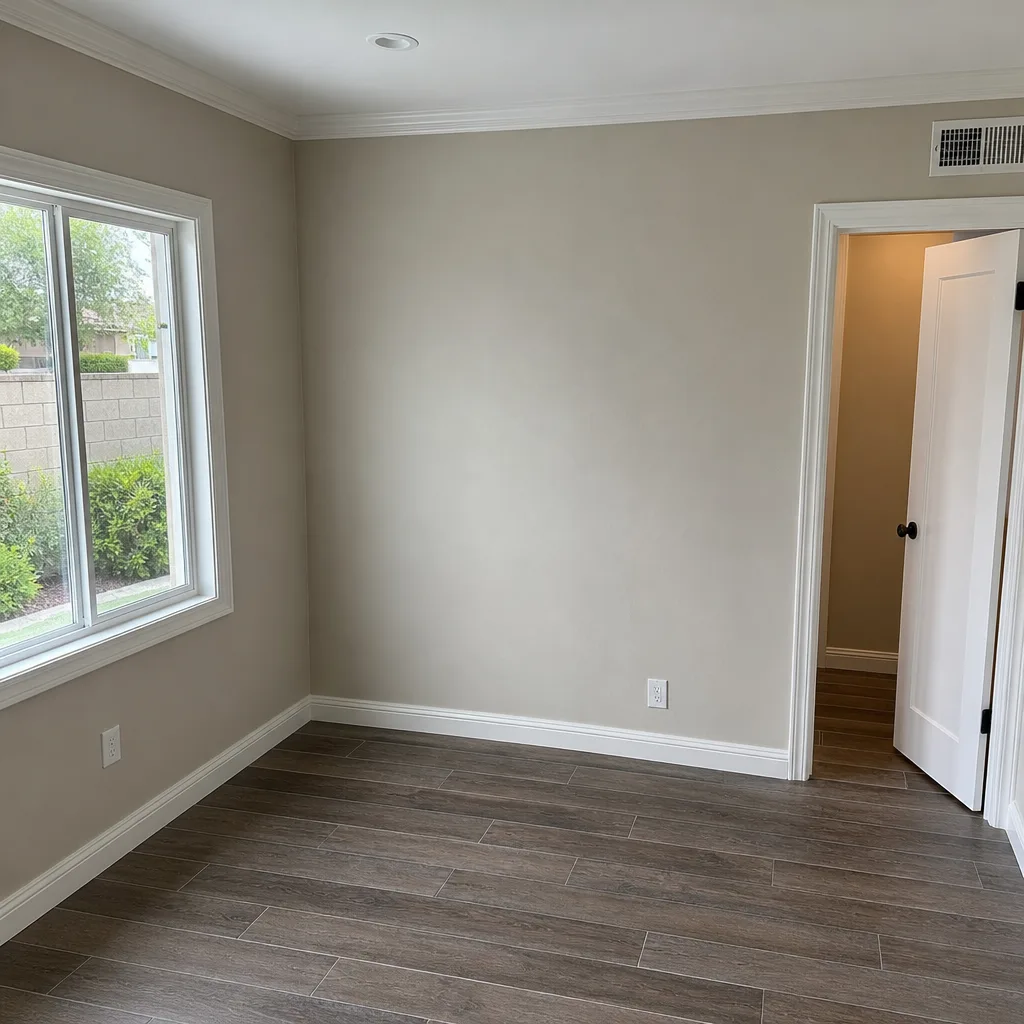 After
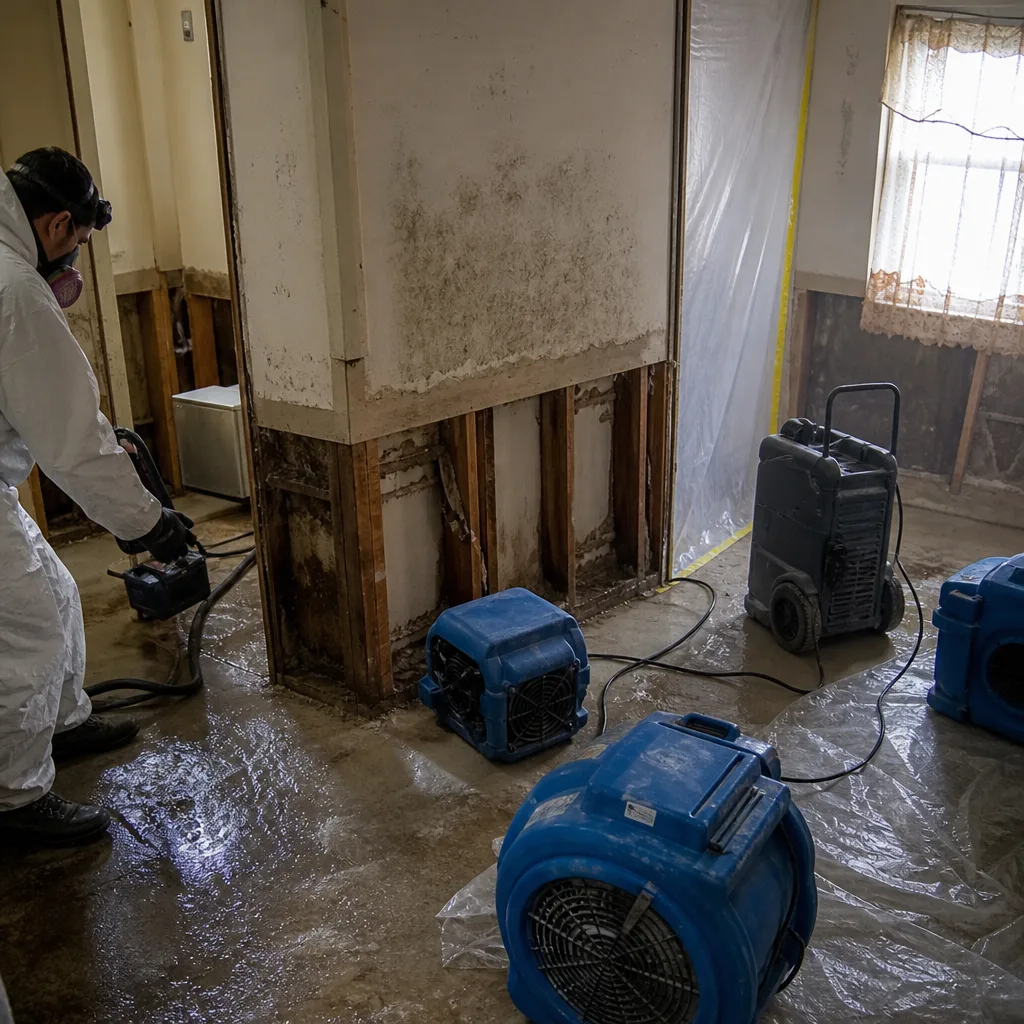 Before
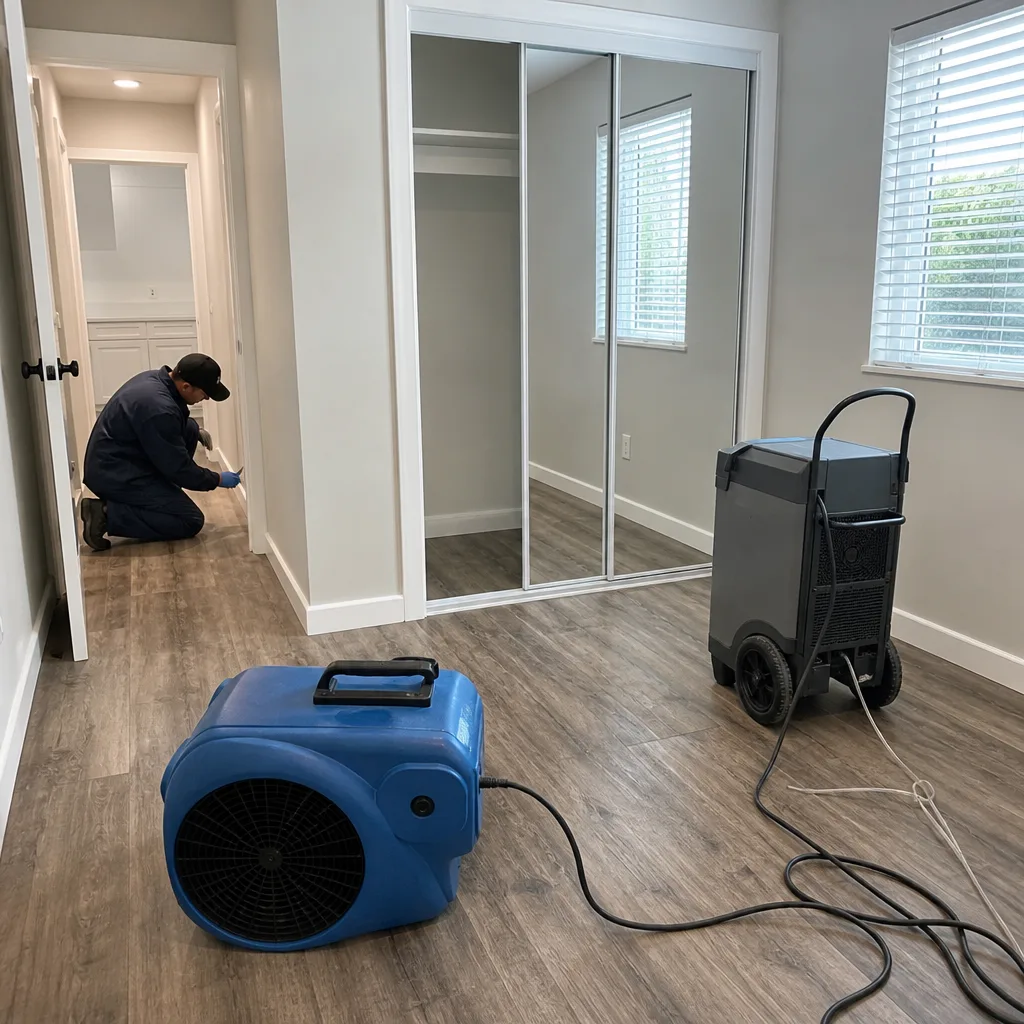 After
Pricing for Water Damage Restoration in Costa Mesa, CA
Here’s what Costa Mesa homeowners should expect to pay. Emergency water extraction alone: $900 – $1,800. Full structural drying with containment and moisture mapping: $2,800 – $7,500. Flood damage restoration with antimicrobial treatment and content pack-out: $1,800 – $5,500. Slab leak remediation that requires cutting into slab or removing lower wall sections: $3,500 – $9,000 depending on how far the moisture migrated and what finish work is required to match original stucco or tile.
What drives cost up: how long the water has been present, whether Category 3 contamination is involved, and whether we’re matching 1950s finishes on an Eastside property or doing a full mold gut in a 92627 fourplex. Call (833) 589-9161 for a free estimate with a written scope before any work starts.
We Also Serve Cities Near Costa Mesa
Stonecrest Water Damage handles restoration work across the coastal-inland corridor from Costa Mesa into Newport Beach, Fountain Valley, Huntington Beach, and San Joaquin Hills. Same response standards, same equipment, same documentation. If you’re in a neighboring city and dealing with water intrusion, the phone number is the same: (833) 589-9161.
Serving Costa Mesa, CA — Our Local Coverage Area
We’re based in the Costa Mesa area and know this community well. Use the map below to see our service coverage — if you’re nearby, we can almost certainly help.
FAQs About Water Damage Restoration in Costa Mesa
Because the water has usually been running for weeks before anyone notices. Slow slab leaks and failed galvanized supply lines in 1950s fourplexes and bungalows wick moisture up through plaster and original tile long before visible staining appears. By the time a tenant complains of a musty closet or a homeowner sees baseboard discoloration, the 24 – 48 hour mold window has passed and the wall cavity has been wet long enough for mold to colonize. What starts as a “small” water call is often a long-running Category 2 or 3 loss. Call (833) 589-9161 and we’ll map the moisture before deciding what needs to come out.
Yes, and it’s one of the most underrecognized causes of recurring mold in older Costa Mesa homes. The persistent onshore flow off the Pacific keeps wall cavities, closets, and unventilated spaces damp during morning fog cycles. That condensation alone doesn’t flood a home, but combined with a slow slab leak or compromised supply line, it creates the exact conditions mold needs to colonize and spread. In 92627 and Mesa del Mar specifically, we dry more jobs tied to condensation and slow leaks than we do to actual storm events.
The scope is driven by building value and finish availability. Westside 92627 apartment fourplexes and small bungalows often require full mold gutting: remove the saturated lower wall, treat the cavity, rebuild, and repaint. Eastside and South Coast Metro properties with original hardwood, custom stucco, and finished garages shift the priority to preservation. We use Injectidry systems to dry in wall cavities without unnecessary demolition, and we match original finishes carefully. The drying standard is the same. The scope of work isn’t.
Extraction first: truck-mounted or portable systems pull standing water from flooring and saturated materials. Then we map the moisture with Dri-Eaz and Phoenix meters to see how far the water traveled through plaster, stucco, and baseboard. In older stucco homes, we typically set containment and run air movers with dehumidification to a logged dry standard, using Injectidry where water is trapped inside wall cavities. Non-salvageable material comes out, affected surfaces get antimicrobial treatment, and the final readings get documented. You deserve a written record that the structure actually dried, not a technician’s assurance.
Usually yes. We document everything before we move it, then pack out salvageable contents, inventory them, and clean what can be restored. Hard goods, sealed containers, and most textiles survive when addressed quickly. Items saturated with Category 3 water, or porous materials that have been wet for more than a few days, often don’t. We photograph the condition, separate what’s salvageable, and provide the documentation your insurer needs. Call (833) 589-9161 and we’ll tell you what’s worth saving before we touch it.
Contact Stonecrest Water Damage in Costa Mesa
If you’re seeing water where it shouldn’t be, smelling musty air in a closet that never dries, or dealing with a flood that’s spread past one room, call us now. We’ll answer, assess the situation over the phone, and dispatch a certified tech to your Costa Mesa address. Estimates are free, the scope is written before work starts, and every job is documented to IICRC standards. Call (833) 589-9161.
Written by Neil Stratton, who leads Stonecrest Water Damage, serving Costa Mesa and surrounding Orange County communities.