 Water damage drying
 Fire & smoke cleanup
 Mold remediation
 Storm response
 Sewage cleanup
 Reconstruction
Free visual inspection and a written scope of work before any mitigation begins - photos, moisture readings, and drying logs go in your claim file
The scope we write is the scope we bill. Anything new gets shown to you, in writing, before we touch it.
Get your free estimateFast, Reliable Water Damage Restoration Across Cypress
When water is moving through a Cypress home, every hour it goes unaddressed pushes moisture deeper into drywall, cabinetry, and the slab itself. Stonecrest Water Damage responds to Cypress properties with the same commercial drying systems used on large commercial loss sites, not rental-store machines. Our crews know the 90630 housing stock: single-story stucco tract homes from the 1950s through 1970s, most on slab foundations with original galvanized supply lines that fail from the inside out. That local knowledge changes how we approach every job here. Need help now? Call (833) 589-9161 and we’ll walk you through the first steps before a crew arrives.
Key Takeaways
- Water damage in Cypress’s original tract homes most often starts inside walls or under the slab, not from roof leaks. Thermal-imaging moisture mapping is standard on nearly every call we run in the older core.
- Emergency water extraction in Cypress typically runs $450 – $950. Full structural drying, including containment and equipment, runs $1,800 – $4,200 depending on affected square footage.
- Cypress HOAs enforce uniform streetscape standards, which means visible drying equipment, containment, and any exterior repairs must be handled with documentation and discretion. We routinely file paperwork for architectural review records.
- We are certified to IICRC standards and use Dri-Eaz, Phoenix, XPOWER, B-Air, and Injectidry equipment. Drying is measured and documented, not guesswork.
- Water, mold, and fire damage are handled by one certified team under one roof. No coordination gaps between subcontractors.
Restoration work we handle
Why Stonecrest Water Damage Is Cypress’s Preferred Water Damage Restoration Company
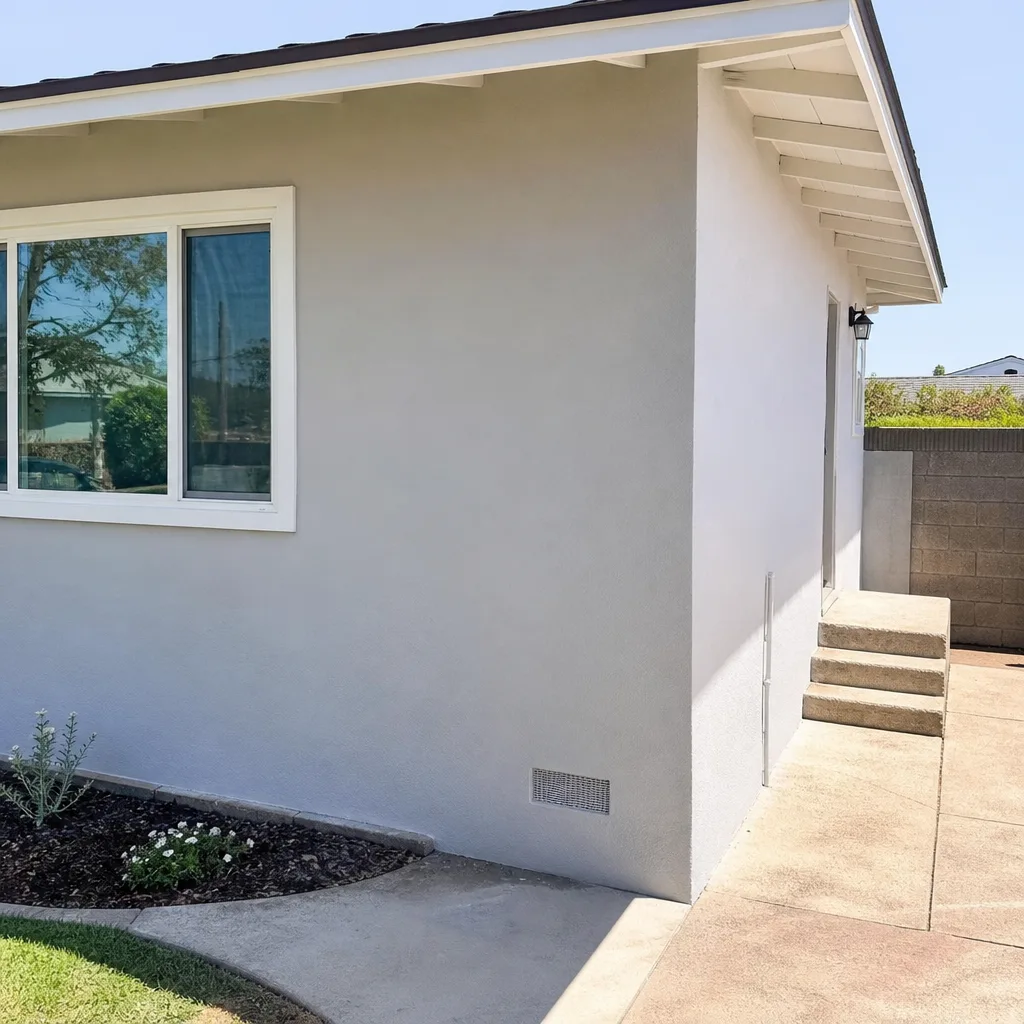
Cypress homeowners and property managers call us because we understand what this city’s houses actually are. The original tracts near Lincoln Avenue and Valley View Street were built fast in the postwar boom, and that means specific failure patterns. Galvanized steel supply lines corrode from the inside. Slab foundations hide water until it wicks under flooring. Stucco exteriors crack along rooflines during Santa Ana wind events. A restoration company that treats Cypress like any other Orange County city misses what’s happening inside these walls. We don’t.
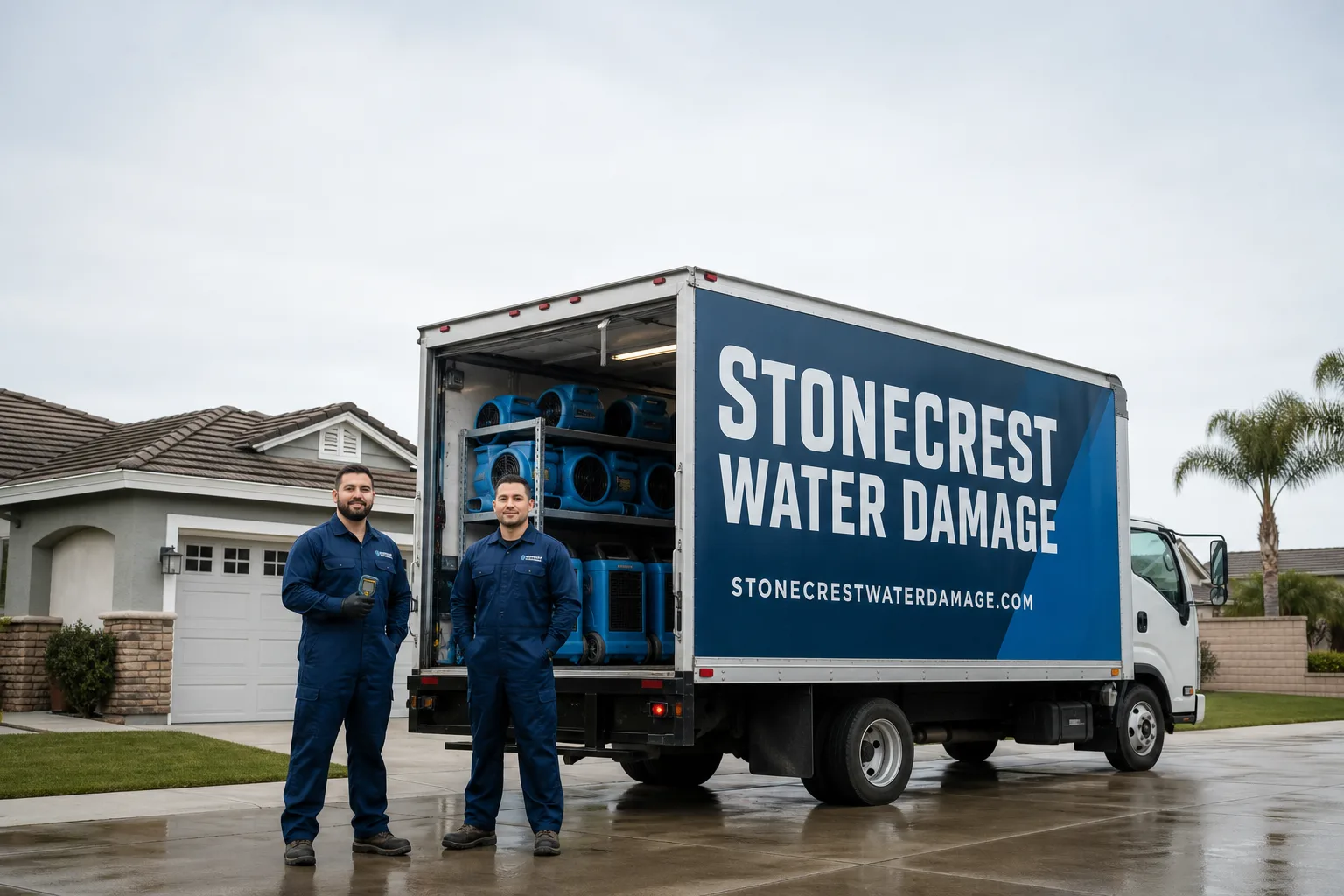
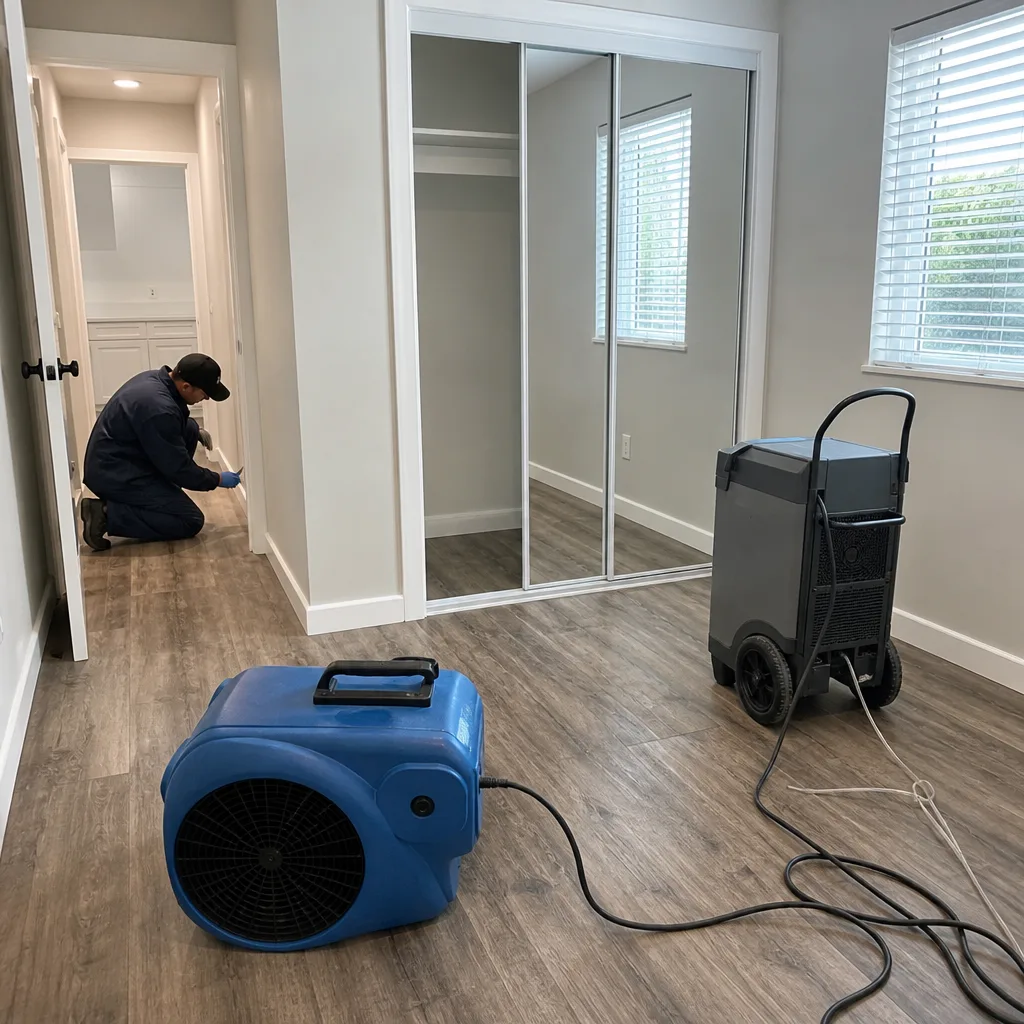
Our response time to Cypress properties is consistently under 90 minutes for emergency water extraction calls, and our crews arrive with commercial-grade equipment already loaded and ready. Homeowners across the 90630 ZIP appreciate that we show up with Dri-Eaz dehumidifiers and Phoenix air movers rather than hardware-store fans. The difference matters when you’re racing mold growth inside a wall cavity.
Neil Stratton, who leads our restoration teams, has built our process around documentation from the first moisture reading to the final drying log. That’s why Cypress HOAs and insurance adjusters alike find our paperwork acceptable without follow-up calls. We speak the language that both sides require.
Water Damage Cleanup in Cypress
Water Damage Cleanup in Cypress means something specific here: dealing with water that has already moved through finish materials and begun saturating what’s beneath them. A cleanup call in Cypress typically involves extraction, containment setup, antimicrobial application, and the start of structural drying. Homeowners in the original tracts off Orange Avenue usually call us when a supply line has let go inside a wall, or when a water heater has flooded a hallway and the water has already reached baseboards and flooring. Cleanup jobs in Cypress generally run $900 – $2,800, with most landing near $1,600 for a single affected room when caught early.
Extraction and Containment
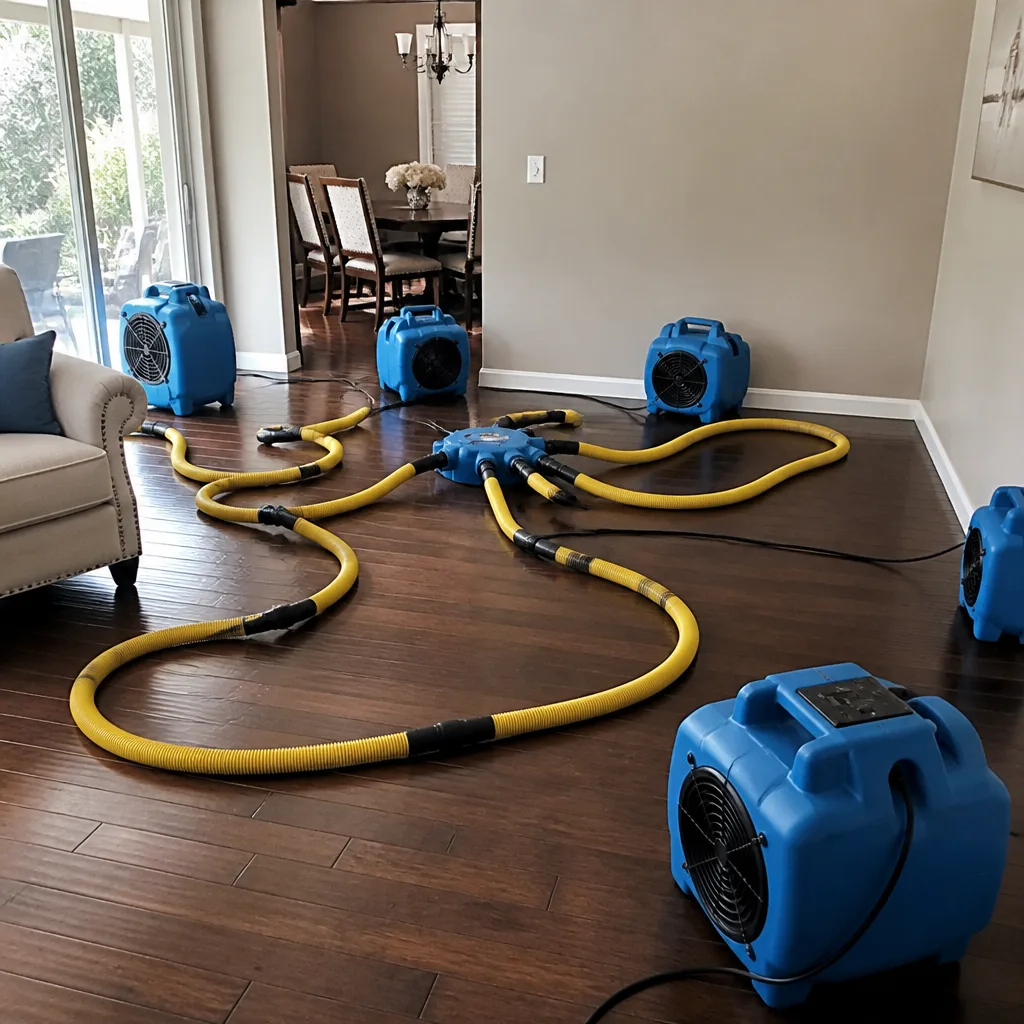
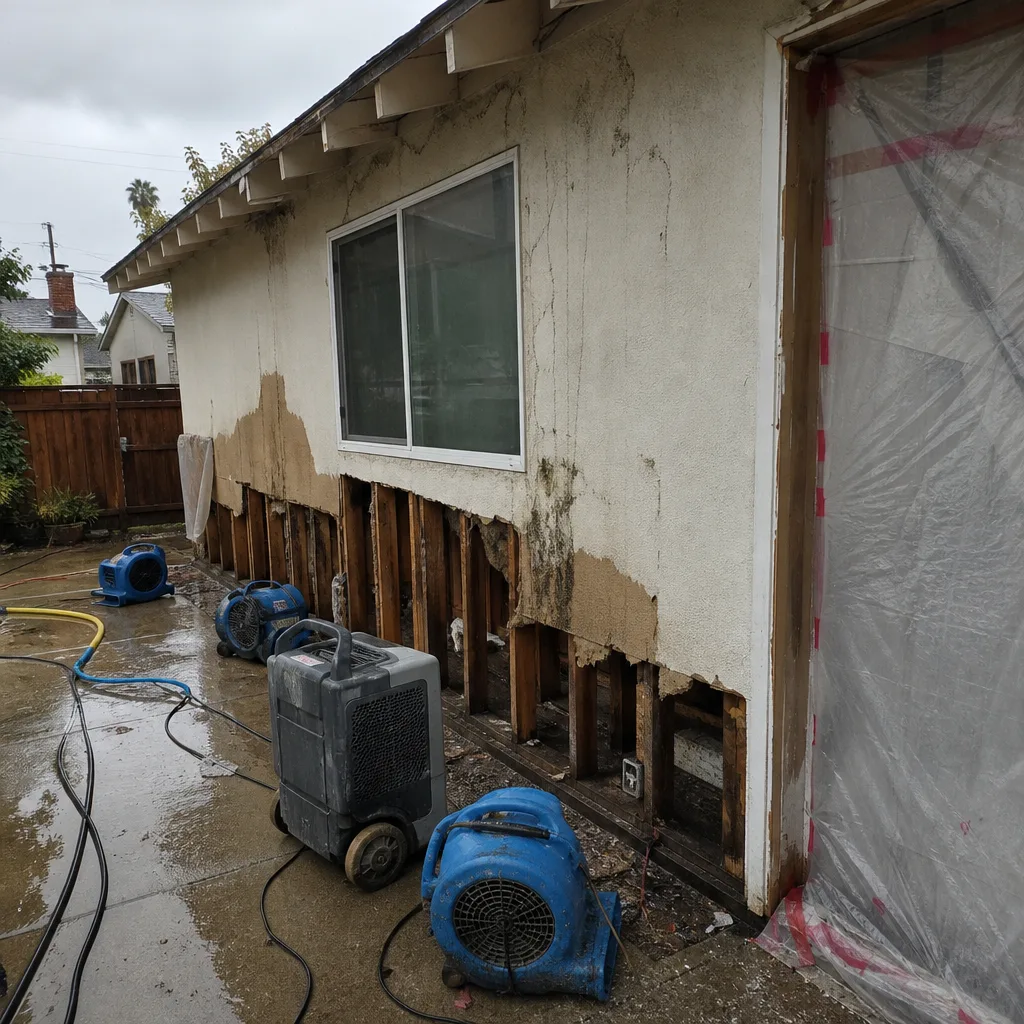
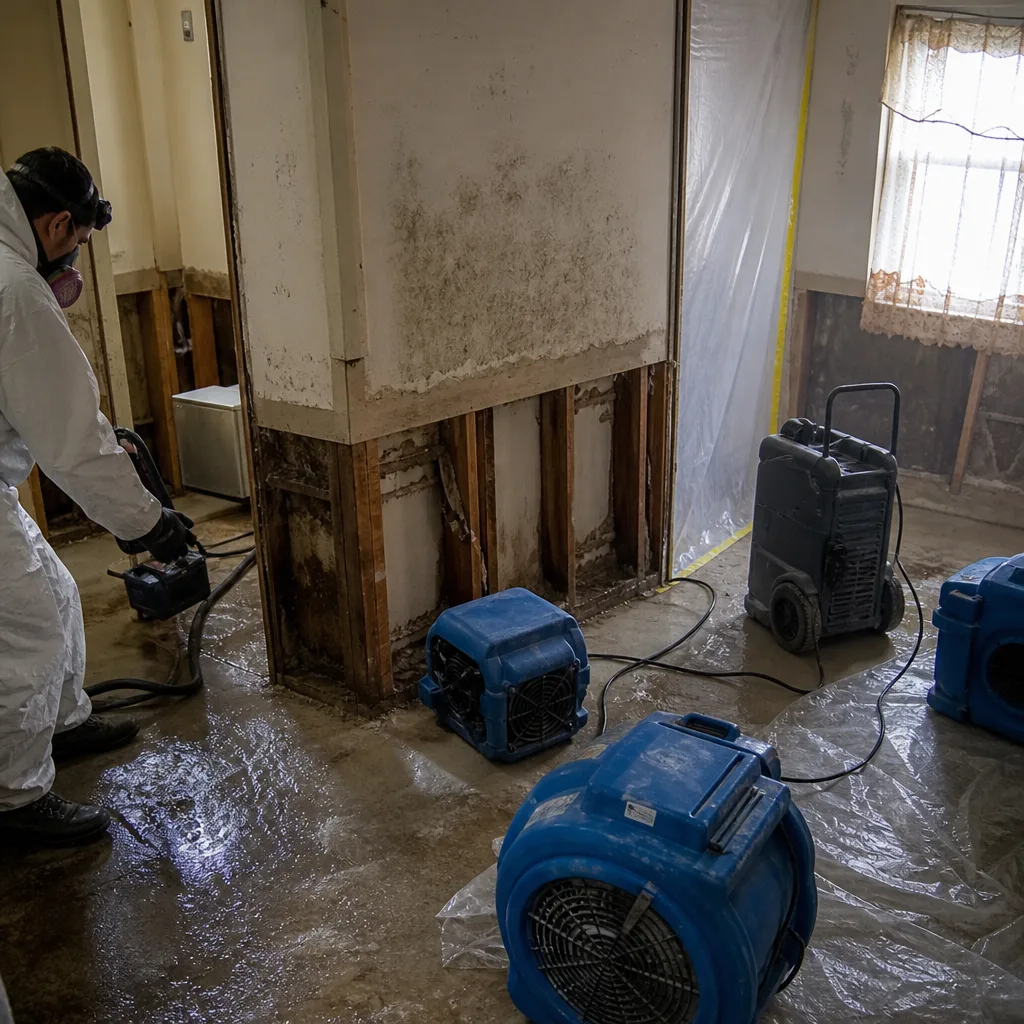
We remove standing water with truck-mounted and portable extraction systems, then isolate the affected area with containment barriers. In Cypress homes where the layout is an open ranch-style plan, containment keeps drying focused and prevents moisture from migrating into unaffected rooms. We log every step.
Antimicrobial and Odor Control
Once surfaces are dry to the touch, we apply antimicrobial treatments to framing and affected materials. In slab-foundation homes, this step matters because moisture trapped under vinyl tile creates the exact conditions mold needs. We treat, document, and verify.
Emergency Water Damage Restoration in Cypress
Emergency Water Damage Restoration in Cypress usually starts with a burst supply line under a slab or a failed water heater in a garage that shares a wall with living space. We answer live around the clock and dispatch to Cypress immediately. Emergency extraction and stabilization typically runs $450 – $950 for the initial response, with full structural drying and restoration added based on the scope. The first hour matters more than the next twelve, so we don’t schedule Cypress emergency calls for “sometime tomorrow.”
Rapid Dispatch to the 90630
Our Buena Park location puts us minutes from Cypress via Valley View Street or Lincoln Avenue. When a pipe lets go at 2 a.m., you’re not waiting on a crew driving from Riverside or Long Beach. We arrive, stop the source, and begin extraction immediately.
After-Hours and Weekend Response
Water doesn’t check business hours, and neither do we. Emergency crews are on call for Cypress properties every night, weekend, and holiday. If your HOA requires notification for after-hours work or equipment placement, we handle that communication so you’re not managing it while water spreads.
Trusted Brands We Service in Cypress
Our restoration process is built around equipment from manufacturers we trust: Dri-Eaz for dehumidification, Phoenix for axial air movers, and Injectidry for structural cavity drying inside walls and under slab-adjacent framing. Because Cypress homes so often hide water inside wall cavities, the Injectidry system gets used here more than in cities with crawlspace construction. We stock replacement parts and accessories for these systems locally, which means a failed dehumidifier on a Cypress job doesn’t stall the drying schedule for days. The equipment on your job is the same grade used on large commercial loss sites, and we bring it to every call in the 90630. When you need Water Damage Restoration done right, the tools matter as much as the training.
See the difference
 Before
 After
 Before
 After
 Before
 After
Common Water Damage Restoration Problems We See in Cypress Homes
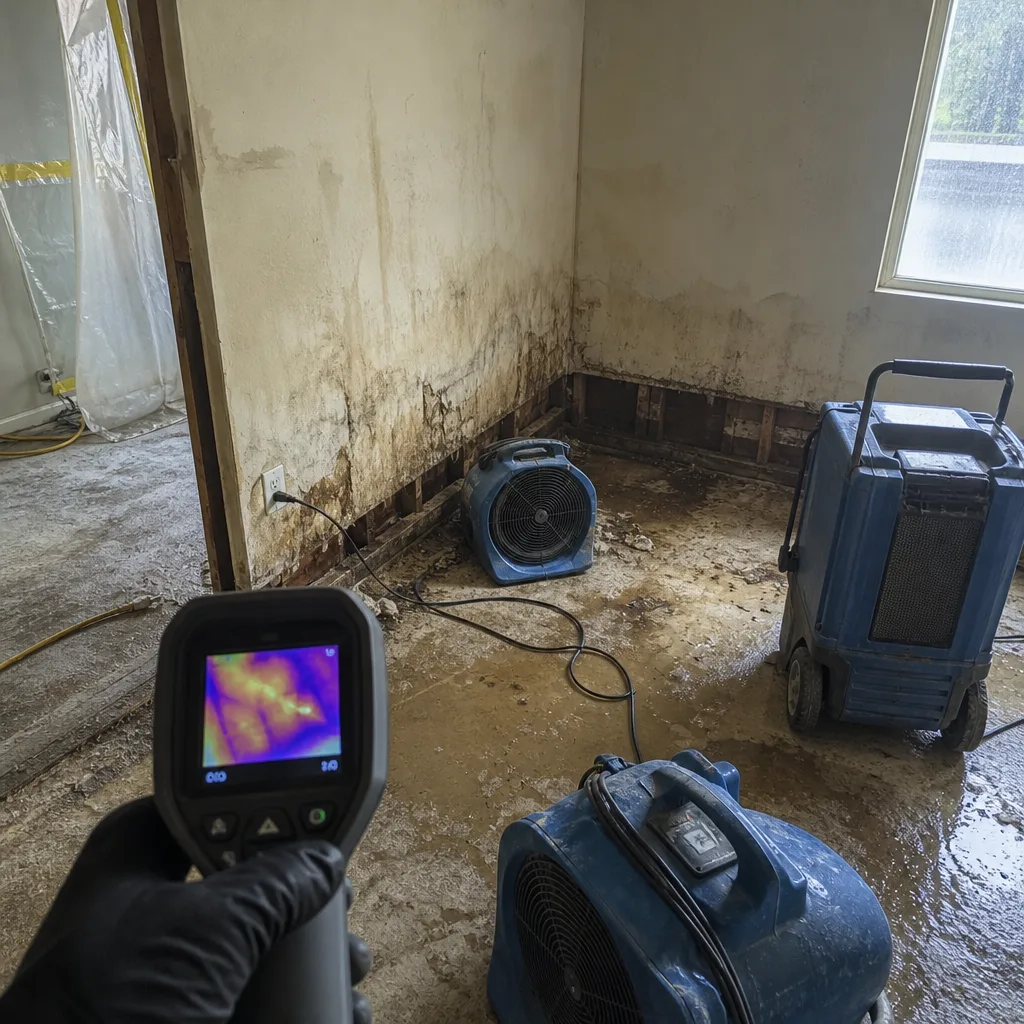
- Hidden slab leaks that surface slowly. Original galvanized steel supply lines in 1950s – 70s tracts corrode from the inside and pinhole under the slab. By the time a homeowner notices a warm spot on the floor or a musty hallway smell, water has already wicked under original vinyl or asbestos-containing floor tile. Thermal imaging and moisture mapping catch what visual inspection cannot.
- Wind-driven rain through aging stucco and roof penetrations. Cypress gets enough seasonal Santa Ana wind and occasional heavy winter rain to push water through cracked stucco, old flashing, and roof penetrations on original tract homes. These leaks often run inside walls before showing up as a ceiling stain, by which point drywall and insulation are already saturated.
- Concealed water heater failures in attached garages. Many Cypress homes have water heaters in garages that share a wall with living space. When a tank fails, water runs under the wall and into flooring, baseboards, and drywall before anyone notices. The damage is often far wider than the visible puddle suggests.
- HOA compliance pressure during remediation. Visible air movers, dehumidifiers, and containment in a driveway or front yard can trigger architectural-review complaints in Cypress’s HOA-heavy neighborhoods. We stage equipment discreetly, notify the HOA when needed, and document everything so a restoration job doesn’t become a violation letter.
Pricing for Water Damage Restoration in Cypress, CA
What you’ll actually pay depends on what got wet, how long it’s been wet, and how far the moisture has traveled. But here are real ranges for Cypress’s market. Emergency water extraction alone: $450 – $950. Water damage cleanup with containtainment, antimicrobial treatment, and initial drying: $900 – $2,800. Full structural drying with dehumidification, air movement, and monitoring over 3-5 days: $1,800 – $4,200. Substantial restoration involving flooring removal, drywall replacement, and rebuild: $5,000 and up, scoped and priced in writing before work starts. These are honest figures for the 90630, not national averages. Call (833) 589-9161 and we’ll give you a free estimate based on your actual situation, not a brochure.
We Also Serve Cities Near Cypress
Stonecrest Water Damage operates throughout northwestern Orange County from our Buena Park base. Beyond Cypress, we regularly serve La Palma, Stanton, Buena Park, and Garden Grove, all with the same commercial-grade equipment and IICRC-certified process. If you’re in one of these neighboring communities and dealing with water damage, our response times are comparable to what we provide in Cypress. Learn more about our work in Cypress or any of the surrounding cities.
Serving Cypress, CA — Our Local Coverage Area
We’re based in the Cypress area and know this community well. Use the map below to see our service coverage — if you’re nearby, we can almost certainly help.
FAQs About Water Damage Restoration in Cypress
We notify the HOA or property management company when exterior work, equipment staging, or visible remediation will occur, and we document every step with photos and drying logs formatted for architectural-review files. In practice, for Cypress HOAs, this means we stage equipment out of street view, use containment that doesn’t violate streetscape standards, and submit verification that mitigation was completed within the association’s timeframe. If you have a specific HOA form that needs sign-off, we’ll complete our sections while the job is still running. Call (833) 589-9161 and we can walk through your HOA’s specific requirements before any equipment is placed.
Moisture mapping with thermal imaging is necessary because slab leaks in Cypress’s original tract homes travel under flooring, not across it. A pinhole leak in a galvanized line under the slab wicks moisture beneath original vinyl or asbestos-containing floor tile, often without producing a surface stain for days or weeks. By the time you see a discolored tile, mold may already be established in the subfloor and wall base. We run thermal imaging and moisture readings on nearly every call in the older core neighborhoods because the alternative, guessing where the water went, leads to incomplete drying and failed clearance tests.
Yes. We stage air movers and dehumidifiers inside the affected structure whenever possible, and we select equipment settings that balance drying speed with noise output for your neighborhood’s standards. Commercial-grade equipment doesn’t have to sound like a construction site. For Cypress properties, we also coordinate equipment placement to avoid driveway or front-yard visibility that could trigger an architectural-review complaint. You’ll have our direct line if a neighbor or HOA representative raises any concern mid-job, and we’ll address it immediately.
Category 1 water comes from a clean source like a burst supply line. Category 2 contains some contamination, like water from a washing machine or dishwasher overflow. Category 3 is grossly contaminated, like sewage backup or flood water from outside. The category changes the restoration process: Category 3 in a Cypress home requires full removal of affected porous materials and aggressive antimicrobial treatment, while Category 1 often allows salvaging drywall and flooring. We classify the water on-site using IICRC standards before recommending a scope, and that classification goes in writing.
Yes. Every Cypress job includes photo documentation, moisture readings before and after drying, daily drying logs, equipment placement records, and a final written scope of work. We format this documentation to satisfy both insurance adjusters and HOA architectural-review requirements. If your insurer needs direct communication or your HOA needs formal notification, we coordinate both. The paperwork is part of the job, not an add-on. Call (833) 589-9161 for a free estimate and we’ll start that documentation from the first phone call.
Why Local Knowledge Changes the Outcome in Cypress
Cypress is a master-planned postwar suburb built largely on former dairy land, and that history shapes every water damage call we run here. The original 1950s – 70s tract homes were built together, by the same builders, with the same materials, and those materials are now aging on the same schedule. Original galvanized steel supply lines are the single most common source of hidden water damage in the 90630. A homeowner on a quiet cul-de-sac in the Cypress Village tract called us when a faint musty smell appeared in the hallway with no visible water. Our techs used thermal imaging and moisture readings to trace a pinhole leak in the original galvanized line under the slab, which had wicked beneath the 1960s vinyl tile. We performed water extraction, set up containment and air movers for structural drying, applied antimicrobial treatment, and documented every step with drying logs for the HOA’s architectural review file. That’s the Cypress playbook: find the water where it’s hiding, dry it to a measurable standard, and leave a paper trail that satisfies the people who care about this city’s uniform streetscape.
That second layer, the HOA, is the part generic restoration pages miss. Cypress’s HOA-heavy neighborhoods mean exterior drying equipment, replaced doors, and even the color of a replacement trim board can trigger architectural-review scrutiny. We handle that. We match replacement panels to the original, we stage equipment out of sight whenever the layout allows, and we file documentation before the HOA has to ask. Water damage here isn’t just a plumbing fix. It’s a compliance exercise wrapped around a structural problem, and we treat both halves seriously.
Our crews work in Cypress on a regular basis, and that repetition builds a different kind of knowledge. We know that the homes south of Cerritos Avenue and north of Ball Road have slightly different slab conditions than the later planned-community builds near the Los Alamitos border. We know which original flooring types are most likely to hide moisture, and we know which drying strategies preserve rather than destroy original materials. That’s the difference between a company that happens to serve Cypress and one that actually understands it.
When water is moving, you don’t have time to vet three contractors. Call (833) 589-9161. We’ll ask the right questions, tell you what you’re dealing with, and get a certified crew to your Cypress property fast. Certified to IICRC standards. Commercial-grade equipment on every job. Water, mold, and fire handled by one certified team. Restore, not just repair.
Written by Neil Stratton, Owner at Stonecrest Water Damage, serving Cypress and surrounding Orange County communities.