
 Water damage drying
 Fire & smoke cleanup
 Mold remediation
 Storm response
 Sewage cleanup
 Reconstruction
Free visual inspection and a written scope of work before any mitigation begins - photos, moisture readings, and drying logs go in your claim file
The scope we write is the scope we bill. Anything new gets shown to you, in writing, before we touch it.
Get your free estimateFast, Reliable Water Damage Restoration Across Ontario
Water damage restoration in Ontario, CA typically costs between $2,800 and $7,500 for a standard interior water loss, and emergency extraction is available the same day you call. If you’re standing in a flooded kitchen off Euclid Avenue or watching a ceiling stain spread in a 1960s ranch near Chaffey High, the immediate need is getting certified technicians and commercial-grade drying equipment on site before structural damage compounds. Stonecrest Water Damage serves all of Ontario, from the 91762 grid north of I-10 down through the 91761 neighborhoods toward the 60, with crews that understand exactly how this city’s older housing stock fails and what it takes to restore it correctly. Call (833) 589-9161 for a free estimate, and we’ll walk you through the scope before any work begins.
Why Stonecrest Water Damage Is Ontario’s Preferred Water Damage Restoration Company
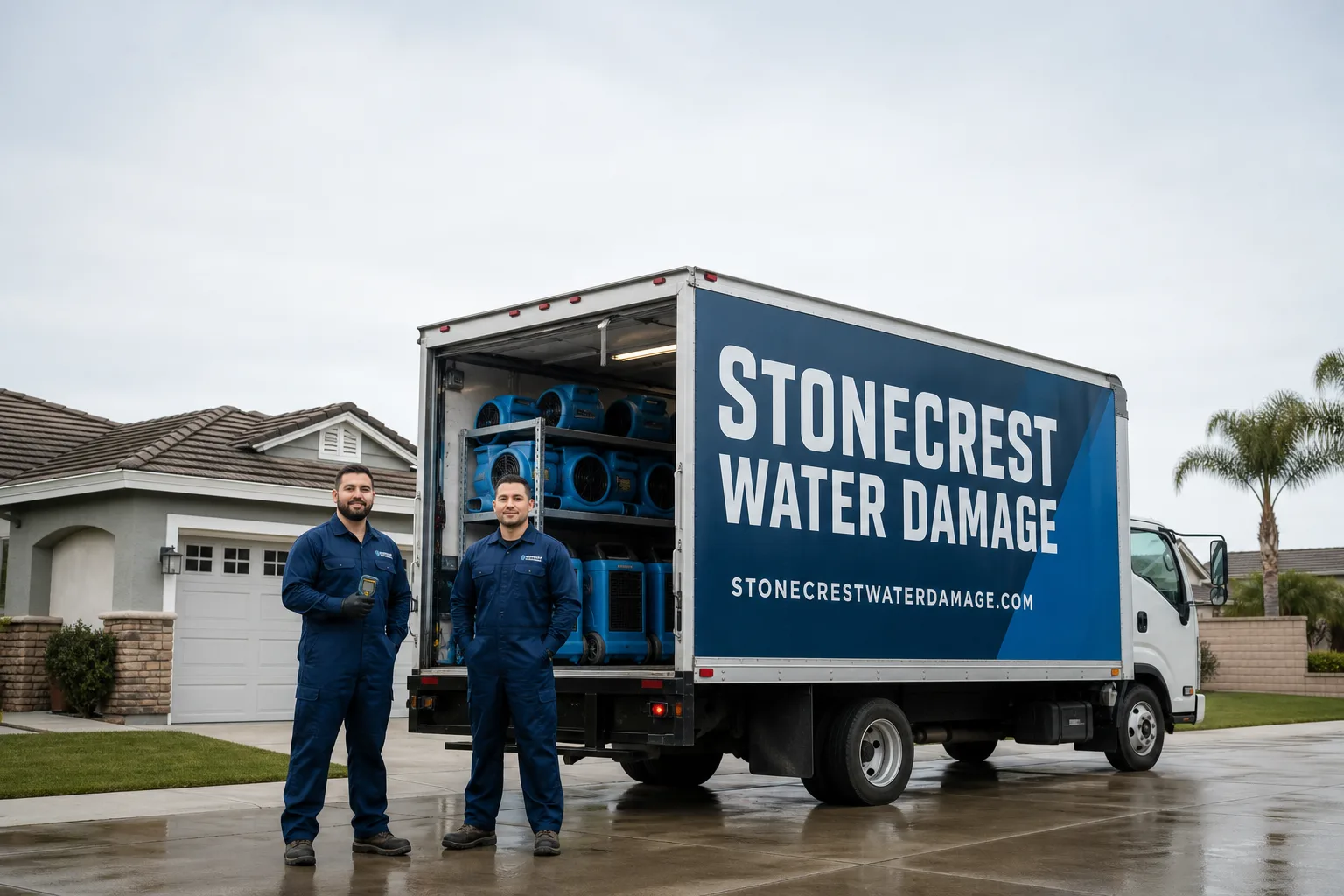
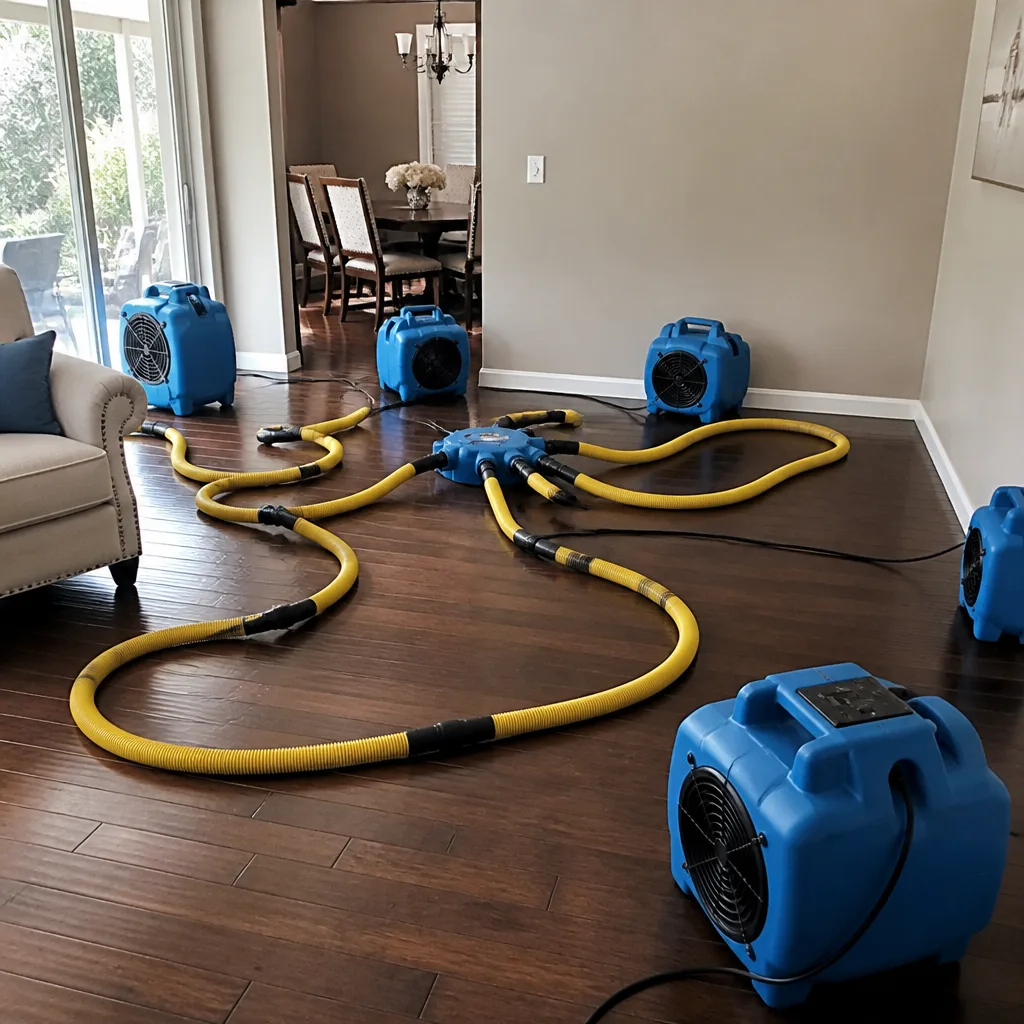
Ontario homeowners reach out to us for one reason more than any other: our crews show up with the same equipment large-loss commercial specialists use, not rental-store machines. Our Water Damage Restoration team runs Dri-Eaz dehumidifiers, Phoenix air movers, and Injectidry structural drying systems on every job in Ontario, which means the drying process is measured and documented, not guessed at. We’re certified to IICRC standards, and our processes align with the S500 water damage restoration guidelines insurance adjusters expect to see.
This matters especially in Ontario, where the housing stock trends older. We’ve worked in mid-century ranch homes near the Ontario Airport, manufactured housing communities off Mission Boulevard, and 1970s tract builds east of Grove Avenue. That local experience means we know what hides behind original drywall, how slab plumbing fails in this soil, and which vintage of construction likely needs containment for regulated materials before tear-out can start. The team is led by Neil Stratton, whose restoration background is built around documentation and verifiable drying, which is what Ontario property owners need when an insurance claim is involved.
Restoration work we handle
Water Mitigation in Ontario
Water mitigation in Ontario is the emergency phase of the restoration process, the part where you stop further damage before it spreads, and it almost always needs to begin within hours of a loss. In this city, mitigation frequently involves a hidden problem: original copper or galvanized supply lines in 1950s and 1960s ranch homes that leak slowly inside walls and under slabs, sometimes for weeks, before a baseboard swells or flooring begins to cup. When that happens, the mitigation scope includes water extraction, removal of saturated materials, containment setup, and the strategic placement of air movers and dehumidifiers, all driven by moisture readings rather than visual cues. A typical water mitigation job in Ontario runs $1,800 to $4,200 depending on square footage affected and whether slab access is required.
Hidden Leak Detection and Extraction
Because so many Ontario homes sit on slab foundations with original plumbing routed beneath the concrete, the first thing our crews do is map moisture across the affected area, not just where the water is visible. This catches saturation that has traveled along bottom plates and subfloor channels well beyond the obvious wet spot. Extraction follows, using truck-mounted and portable units rated for continuous commercial use, then drying equipment is placed based on measured humidity gradients in the room.
Containment and Drying Controls
In older Ontario builds where asbestos or lead-based paint may be present in layers beneath surfaces, we establish containment and negative air pressure before any demolition starts. That step protects the rest of the house from cross-contamination and keeps the job moving without regulatory delays. Drying then proceeds with daily moisture readings and drying logs, so you and your adjuster see progress in numbers, not opinion.
Flooded Basement in Ontario
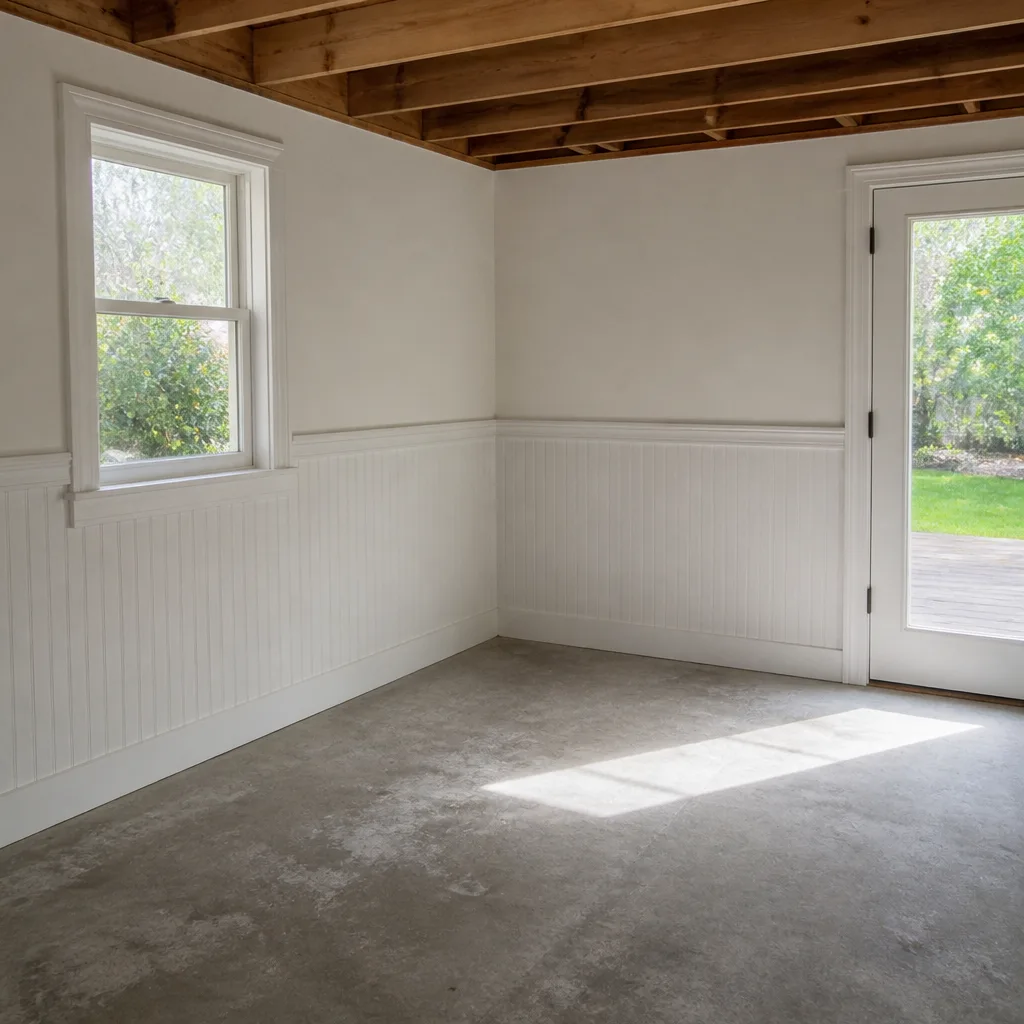
Flooded basement situations in Ontario are less common than in wetter climates, but when they occur, they’re often the result of heavy rain hitting hard-baked, low-permeability soil around homes in the 91761 and 91762 grids, creating flash runoff that finds floor drains, window wells, and foundation cracks. Because many Ontario homes sit on slabs, the spaces we’re often called to are split-level lower floors, converted garages, and crawl spaces under older ranch construction rather than true basements. Regardless of the exact configuration, standing water in a below-grade space demands extraction, dehumidification, and structural drying within 24 to 48 hours to prevent secondary damage and mold. A flooded basement or lower-level water removal in Ontario typically costs $3,000 to $6,800 depending on water depth, category, and the amount of finished material that must be removed.
Stormwater Intrusion Response
When Santa Ana-season rains arrive, they hit Ontario’s compacted soil hard, and runoff moves fast across flat lots toward the lowest point of the structure. That’s often a below-grade room with no functioning sump or a blocked perimeter drain. We respond to these losses by removing standing water first, then cutting and disposing of saturated drywall and insulation, followed by forced-air drying and moisture verification before rebuild begins.
Slab Leak Flooding in Lower-Level Spaces
For Ontario homes with slab plumbing, a supply-line breach can pool water under flooring and wick up into walls. In lower-level spaces, this looks like damp carpet, warped laminate, or a persistent musty odor with no visible source. Our crews use penetrating and non-penetrating moisture meters to trace the extent of the migration, then dry in place where materials can be saved and remove only what cannot meet IICRC S500 drying standards.
Trusted Brands We Service in Ontario
Ontario homeowners have all the usual makes of water heaters, supply lines, and plumbing fixtures, but the equipment we trust on the drying side is what sets our restoration work apart. We run Dri-Eaz dehumidifiers and air movers on every structural drying job, Phoenix systems for high-capacity drying in larger spaces, and Injectidry panels when we need to dry inside wall cavities without ripping out original 1950s drywall that can still be saved. For Ontario customers, this means faster turnaround: we carry the hoses, manifolds, and adapters to set up these systems on site immediately, no waiting on equipment deliveries from a warehouse across the county.
See the difference
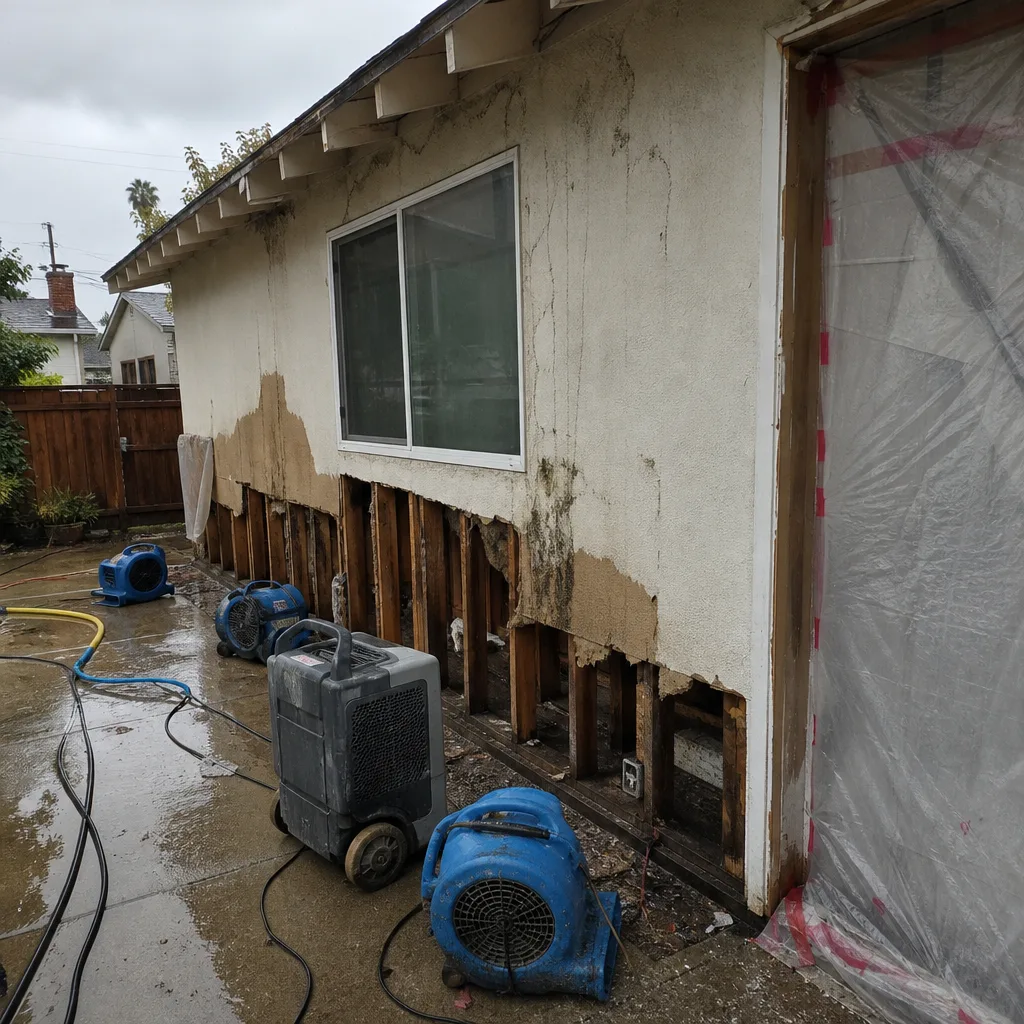 Before
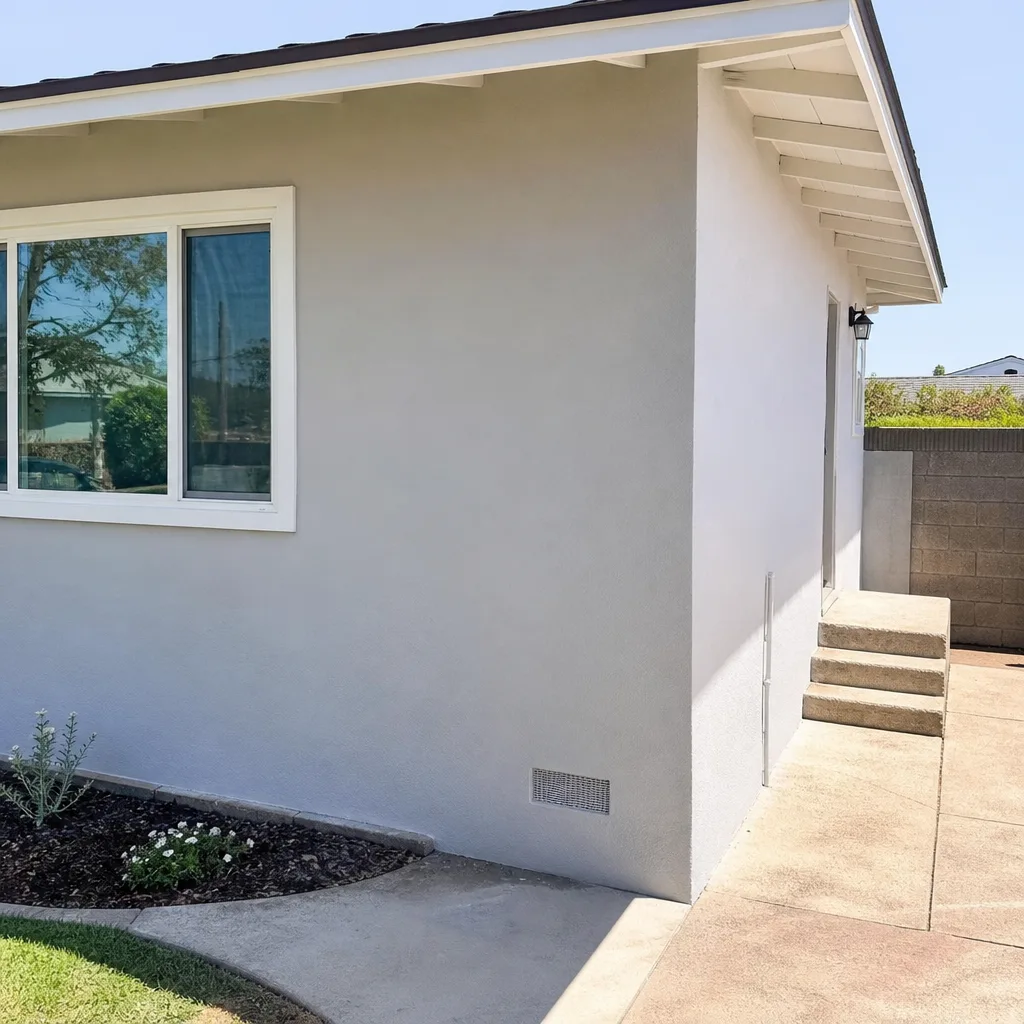 After
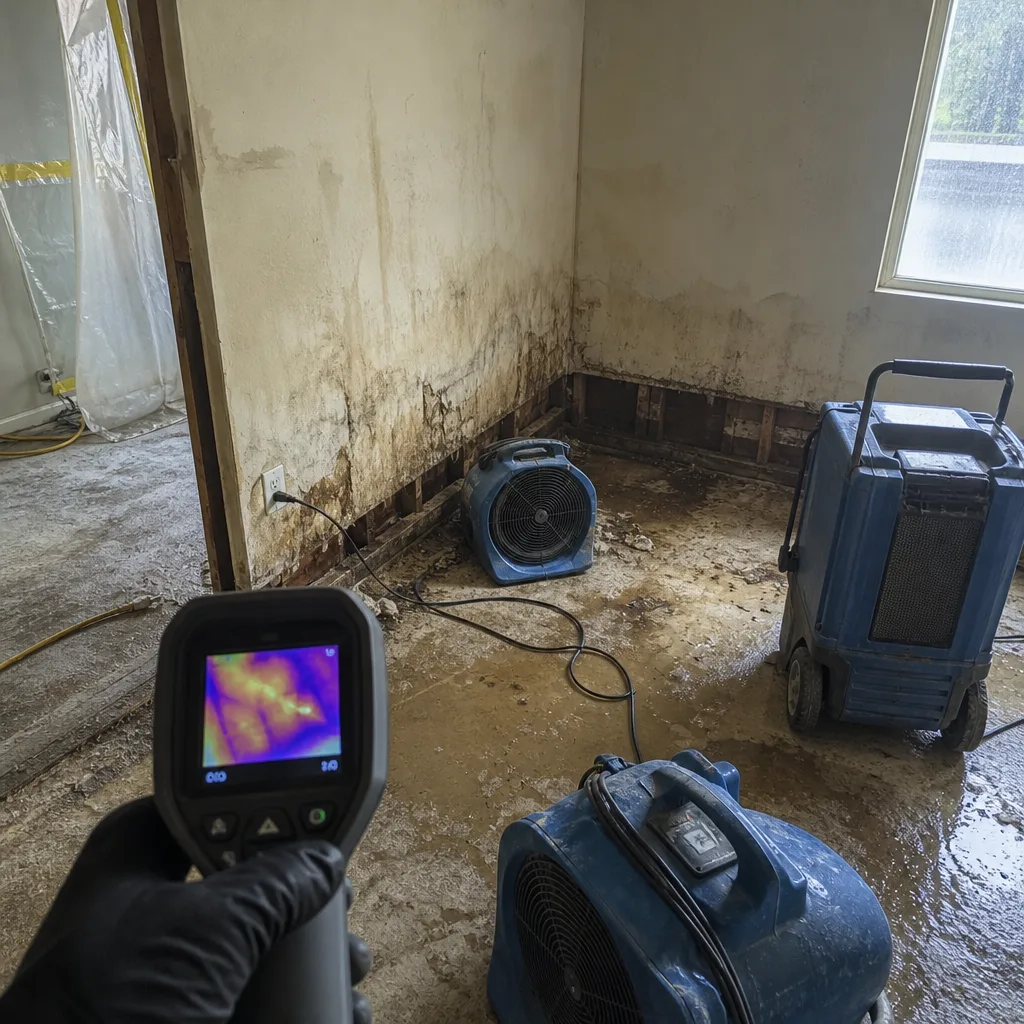 Before
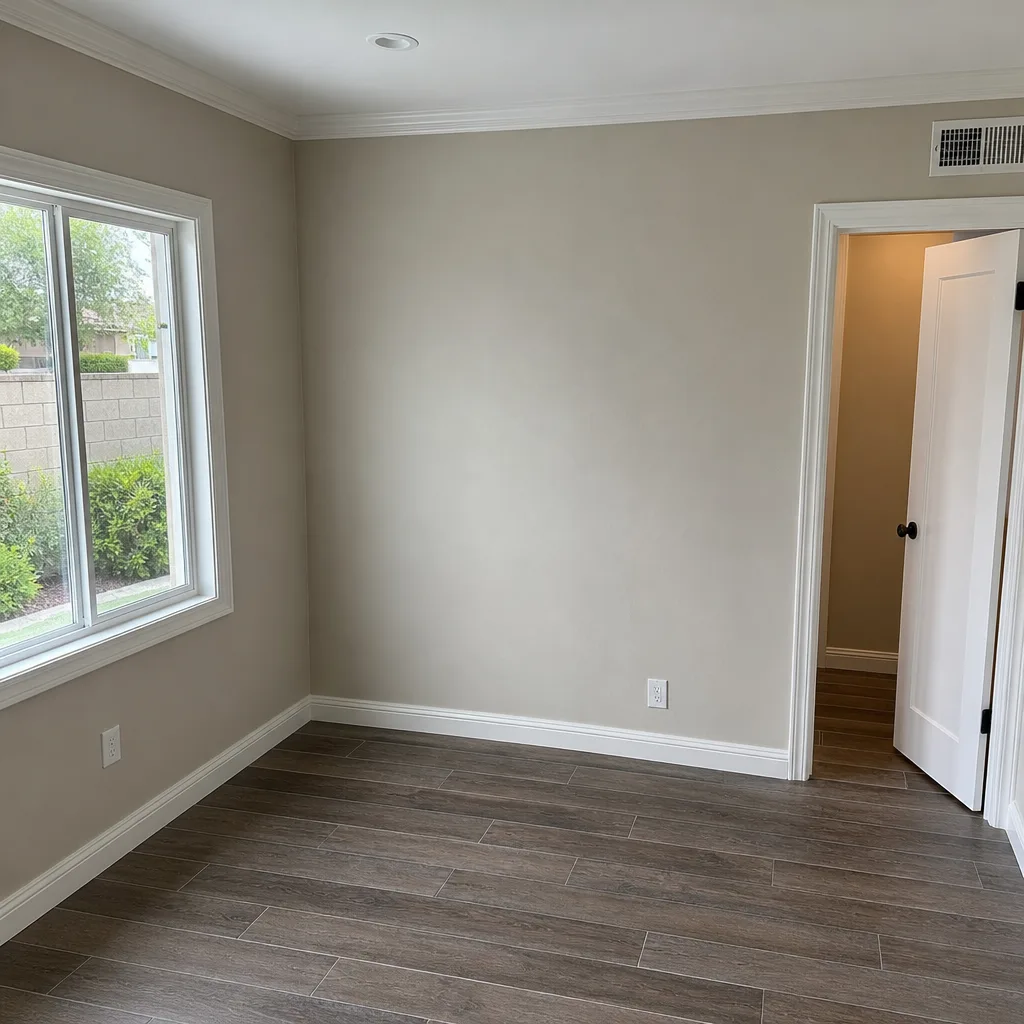 After
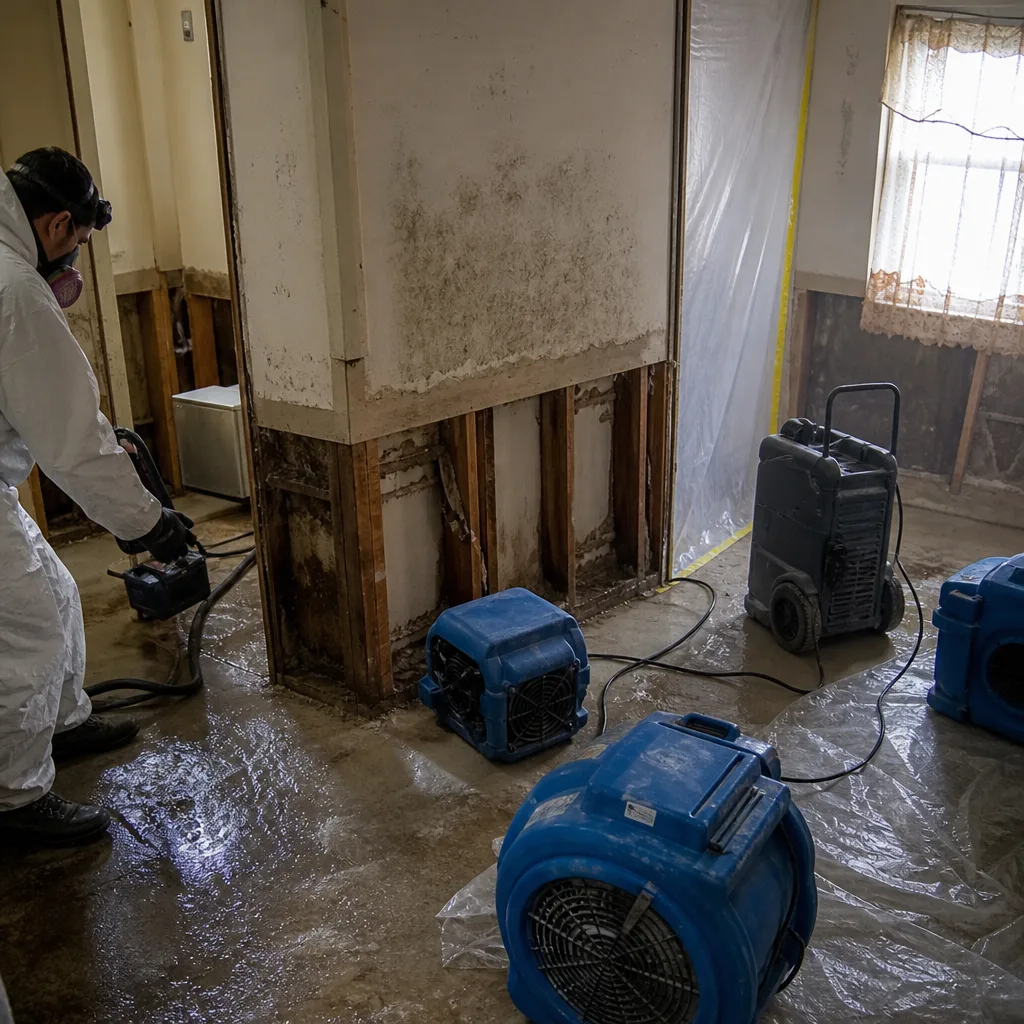 Before
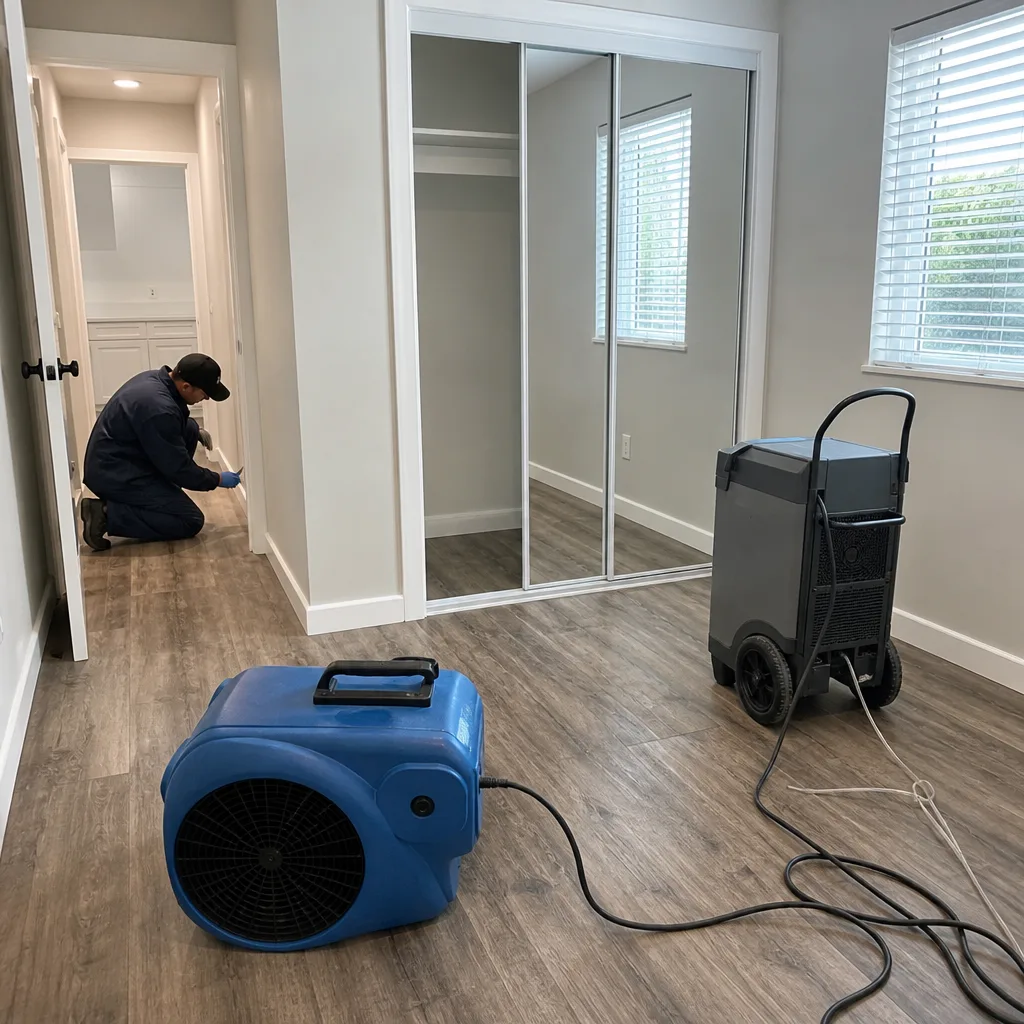 After
Common Water Damage Restoration Problems We See in Ontario Homes
- Slow slab and supply-line leaks in mid-century ranches: Original copper and galvanized lines buried in or under slabs fail quietly, and by the time you see the damage, months of saturation have already compromised framing, baseboards, and flooring. This is the single most frequent hidden loss pattern in Ontario’s 1950s – 1970s housing.
- AC condensate overflow in summer months: Ontario’s hot, dry summers push air conditioners hard, and a clogged condensate line or failed drain pan sends water into ceilings and walls, often while the homeowner is asleep. We see this concentrated in the 91764 and 91758 ZIP codes every July and August.
- Santa Ana wind-driven debris and dust intrusion: The same high-wind events that coat Ontario in fine desert dust force that dust, along with embers from regional fires, through gable vents and original single-pane slider tracks. When water damage follows, the debris layer complicates drying and requires additional surface cleaning before equipment goes in.
- Regulated materials discovered during tear-out: Older Ontario homes, particularly those built before 1978, can contain asbestos in drywall compound, flooring adhesive, or pipe insulation, and lead-based paint on surfaces scheduled for removal. Our crews are trained to identify probable regulated material, set containment, and coordinate testing so the restoration isn’t delayed by avoidable exposure.
Pricing for Water Damage Restoration in Ontario, CA
Honest pricing in Ontario starts with the scope, not a single flat number. Emergency water extraction and mitigation on a contained loss in a 1,200-square-foot ranch usually lands between $1,800 and $4,200, as noted above, while a flooded lower-level or whole-room restoration with tear-out, drying, and rebuild-ready finish work spans $3,000 to $7,500. What pushes costs higher in Ontario specifically: slab access for supply-line repairs, asbestos or lead paint abatement in pre-1978 builds, and water that sat long enough to require Category 3 cleanup rather than Category 1 extraction. Call (833) 589-9161 and we’ll give you a written scope and a price range before any equipment gets unloaded.
We Also Serve Cities Near Ontario
Our crews work throughout Ontario and the surrounding Inland Empire cities. If your property is in Montclair, Upland, Chino, or Claremont, we can usually have a team on site the same day, with the same certified process and documentation approach we use right here in Ontario. The drive time is short, which means lower initial response cost and faster drying start times for neighbors in the 91710, 91786, 91708, and 91711 ZIP codes.
Serving Ontario, CA — Our Local Coverage Area
We’re based in the Ontario area and know this community well. Use the map below to see our service coverage — if you’re nearby, we can almost certainly help.
FAQs About Water Damage Restoration in Ontario
Older Ontario homes typically add one to three days to the drying timeline because original materials absorb water differently than modern construction, and because suspected asbestos or lead paint in pre-1978 builds requires testing and containment before demolition can proceed. A standard water loss in a 1990s Chino tract home might dry in three days, while a 1962 Ontario ranch with original plaster and slab plumbing could need five to seven days to reach verified dry standards. We build that reality into the written scope so the timeline is honest from day one. Call (833) 589-9161 to get a project-specific schedule for your home.
Shut off the main water supply immediately, then call us; slab leaks in Ontario’s mid-century ranches are slow and destructive, and every hour the line keeps leaking pushes moisture further under your flooring and up into your walls. Do not attempt to dig or access the slab yourself, since older plumbing can be fragile and the repair point is often not where the water appears. Our crew will map the moisture, locate the highest-probability leak area, and begin extraction and drying while the plumbing repair is coordinated. Call (833) 589-9161 and we’ll walk you through the first steps over the phone.
Santa Ana winds compound water damage in Ontario by forcing fine desert dust, ash, and embers through original gable vents and single-pane slider tracks, meaning our crews often have to clean contamination off wet surfaces before drying equipment can be placed. The wind-driven debris also clogs AC condensate drains and pushes rain through roof flashing that looked sealed, creating water intrusion points that only show up during peak gusts. In the 91761 and 91762 grid especially, our team expects this pattern during fall wind events and adjusts the restoration sequence accordingly. Call (833) 589-9161 for an assessment if you’ve had wind-driven rain or dust intrusion.
Yes, we restore water damage in Ontario’s manufactured and mobile home communities, including older single-wide and double-wide units where the flooring system, vapor barrier, and skirting create different drying challenges than slab-built homes. Mobile homes often hide water migration under vinyl flooring and in wall cavities that vent differently than site-built construction, so we adjust air mover placement and use low-grain dehumidifiers sized for smaller, tighter spaces. The process is still documented and measured to IICRC standards, with daily moisture readings specific to the unit’s construction. Call (833) 589-9161 and tell us the year and size of your home for an honest first estimate.
Category 1 water comes from a clean source like a supply line or faucet and is safe to extract and dry with standard mitigation methods; Category 2 water contains significant contamination, such as washing machine discharge or AC condensate mixed with dust; and Category 3 water is grossly contaminated, including sewage, storm runoff, or standing water that has sat long enough to grow bacteria. In Ontario, the biggest variable we see is Category 1 becoming Category 3 because a hidden slab leak went unnoticed for weeks and the trapped water turned septic inside the wall cavity. The category dictates how much removal is required and what drying standards apply, which is why we always verify before quoting. Call (833) 589-9161 if you’re unsure what category of water you’re dealing with.
Written by Neil Stratton, Owner at Stonecrest Water Damage, serving Ontario, CA and the surrounding Inland Empire.