

Last updated October 31, 2026
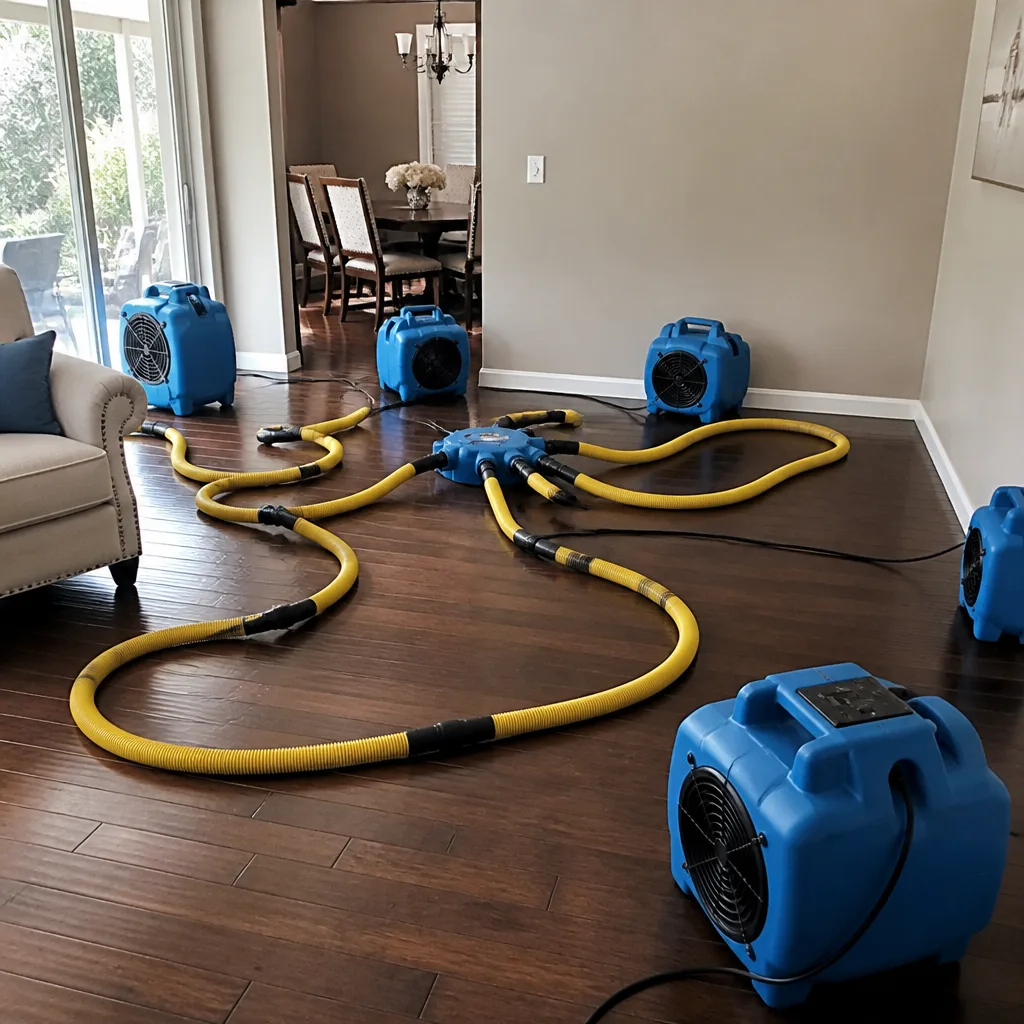 Water damage drying
 Fire & smoke cleanup
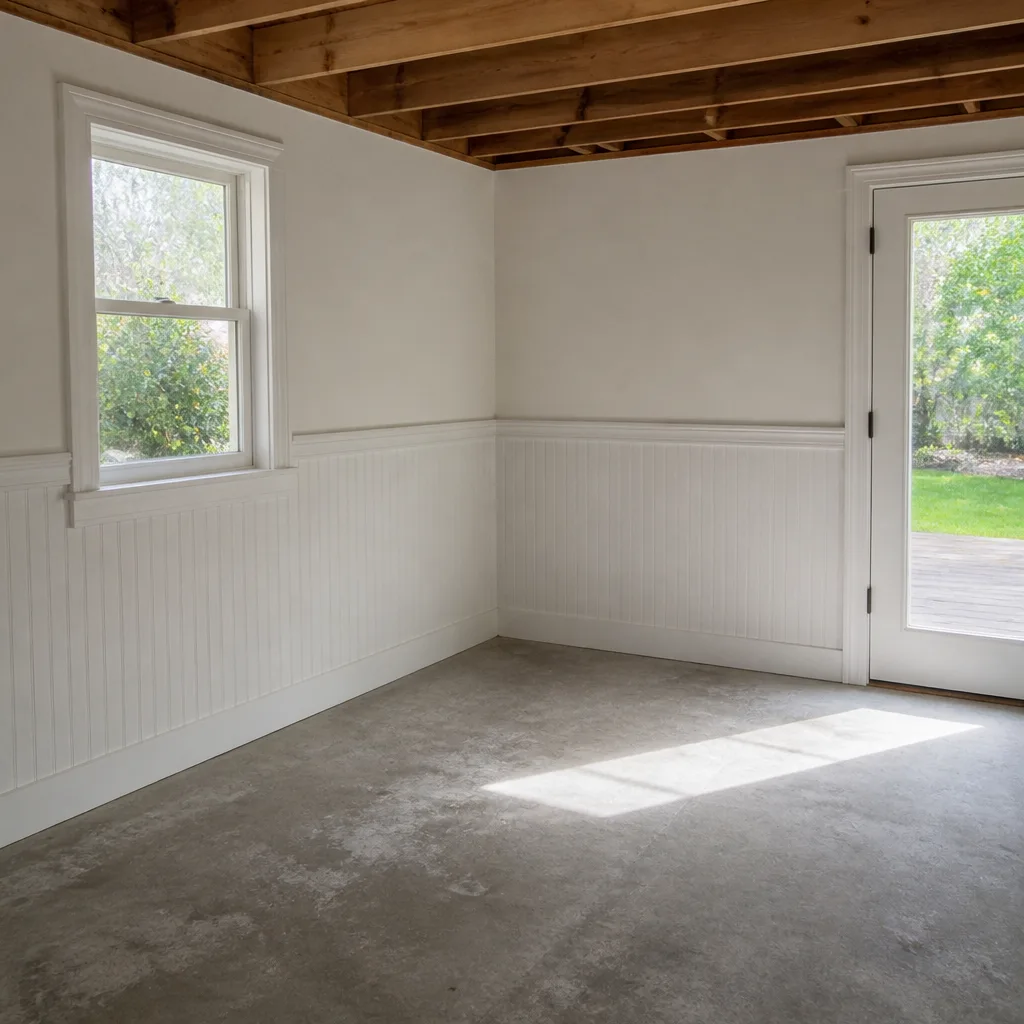 Mold remediation
 Storm response
 Sewage cleanup
 Reconstruction
Free visual inspection and a written scope of work before any mitigation begins - photos, moisture readings, and drying logs go in your claim file
The scope we write is the scope we bill. Anything new gets shown to you, in writing, before we touch it.
Get your free estimateDamage Restoration Permits, Codes & Inspections in CA: What You Need to Know
A homeowner in Anaheim learned this the hard way last year. A water heater leaked through a second-floor utility closet, soaking the subfloor and a load-bearing wall below. They hired an unlicensed crew that charged half the going rate. The repair looked fine. Six months later, during escrow on a sale, the buyer’s inspector flagged the work. No permit had been pulled. The city required the subfloor and framing to be exposed, inspected, and partially redone. The final bill exceeded the original restoration cost. This is not rare. In California, restoration work does not get a free pass from the building code just because an emergency caused the damage. And in Buena Park, as elsewhere in Orange County, unpermitted structural repairs can block a sale, void an insurance claim supplement, or trigger a correction notice that sits on the title until resolved.
This guide covers what actually triggers a permit after water, mold, or fire damage, where California Building Code draws the line, how Buena Park’s municipal thresholds differ from unincorporated Orange County, and what happens when unpermitted work is discovered later. For related reading, see our Damage Restoration Warning Signs: A Buena Park Homeowner’s Reference Guide. We’ll walk through homeowner permits versus contractor-pulled permits, asbestos and lead interactions on older homes, and inspection sequences that restore a property to a documented, sellable condition.
Restoration work we handle
Quick Answer
In California, restoration work that replaces structural components (framing, subfloor, shear walls, roof sheathing) or alters electrical, plumbing, or mechanical systems requires a building permit, regardless of whether the work was caused by a covered insurance loss. In Buena Park, cosmetic replacement of drywall, flooring, and paint typically does not trigger a permit, but any removal or replacement of load-bearing framing, floor structure, or wet electrical components does. When in doubt, call the Buena Park Building Division before demolition starts; a permit pulled after the fact costs more and always draws deeper scrutiny.
Table of Contents
- When Does Water Damage Restoration Require a Permit in California?
- Buena Park vs. Unincorporated Orange County: Where the Rules Split
- Asbestos and Lead-Paint Rules That Complicate Restoration Demolition
- What Happens When Remediation Work Was Done Without a Permit
- Homeowner Permits Versus Contractor-Pulled Permits for Restoration Work
- The Inspection Sequence: What Gets Checked and in What Order
- Permits and Insurance Claims: What Adjusters Look For
- Common Mistakes to Avoid
- When to Call a Professional
- Frequently Asked Questions
- The Bottom Line
When Does Water Damage Restoration Require a Permit in California?
The controlling document is the California Building Code (CBC), adopted statewide with local amendments. The CBC does not contain a section called “water damage restoration permits.” Instead, permit triggers live in Chapter 1, Section 105, which requires a permit for any construction, alteration, enlargement, repair, or demolition of a building or structure, except work explicitly exempted. The exemptions matter. Section 105.2 lists work exempt from permits, and that list includes things like painting, wallpapering, carpeting, and finish flooring installation. So far, so simple.
The complexity starts when restoration moves past surface finishes. Here is the practical line we use on damage sites and in conversations with building officials across Orange County:
- FILING or finish replacement only: drywall patch less than one full sheet, paint, baseboard, carpet, floating floor. Typically exempt. No permit required in Buena Park.
- Full drywall sheet replacement on non-structural walls: Buena Park generally treats replacement of damaged drywall on non-bearing partitions as exempt maintenance, though inspectors prefer a call if more than a single sheet is being removed. In some jurisdictions this crosses into permit territory. Buena Park’s published guidance leans toward exempt, but a 30-second phone call to the Building Division saves hours later.
- Subfloor replacement: Here is where the line hardens. CBC Section 105.2 does not exempt structural floor systems. If you cut out and replace a section of subfloor or any floor joist, that is structural work, and in Buena Park it requires a permit and an inspection, including a nailing or framing inspection before the new subfloor is covered.
- Load-bearing wall repair or framing member replacement: Always a permit. No gray area. If a water loss saturated a bearing wall to the point that studs or the bottom plate are compromised, the repair is structural alteration.
- Electrical components touched by water: The California Electrical Code requires replacement of receptacles, breakers, and wiring that were submerged. Altering a branch circuit is a permit trigger. Swapping a like-for-like receptacle with no new wiring is often exempt, but any new circuit, panel work, or relocated wiring is not.
- Plumbing system repair: Replacing a section of water line or a drain line is plumbing work, and the California Plumbing Code requires a permit for anything beyond fixture replacement or stopping a leak at a threaded joint. A water heater replacement after a flood always requires a permit in Buena Park, including inspection of the T&P valve, flue, and seismic strapping.
Mold remediation and fire damage restoration follow the same structural logic. Mold remediation in Brea and surrounding Orange County cities often involves removing drywall, insulation, and sometimes framing. Removing contaminated surface finishes does not trigger a permit. Removing a structural stud because mold penetrates beyond surface cleaning does. Fire restoration rarely avoids permits because the scope usually includes framing, sheathing, electrical, and insulation. We have seen fire losses where the city required permits not just for rebuilding, but for the selective demolition itself, specifically when the removal touched rated assemblies or shared walls. A good restoration team coordinates with the building department before demolition begins.
Mold and moisture standards, but not permits: The IICRC S500 and S520 standards dictate how drying and mold remediation should be performed. These are industry standards, not legal permits. However, they become legally relevant when an insurance claim or a seller’s disclosure requires documentation. Work done to a documented standard is defensible. Work done with no documentation is not, even if no permit was technically required. This is why our drying process, including measurements from equipment like Dri-Eaz and Phoenix systems, generates a paperwork trail that helps clients when a future sale or claim review happens.
Buena Park vs. Unincorporated Orange County: Where the Rules Split
Buena Park is a charter city with its own Building Division. Unincorporated Orange County properties fall under the Orange County Building Division, run by the county. Both adopt the California Building Code, but their local amendments and administrative practices differ in ways that directly affect restoration work.
Buena Park specifics:
- Buena Park requires a permit for any structural repair, including subfloor and floor framing replacement. The threshold is the structural member. No minimum square footage exception applies to floor systems.
- Buena Park exempts non-structural drywall repair and finish work, consistent with CBC Section 105.2. The Building Division has historically treated replacement of a single drywall sheet or less as exempt maintenance when the work does not alter fire assemblies.
- Water heater replacements require a permit, full stop. Buena Park enforces this consistently, and the inspection includes checking seismic strapping per California Plumbing Code. This is a frequent citation point after earthquake-related water losses.
- Buena Park’s plan check process for structural restoration of older homes sometimes triggers a soft-story or shear wall review if the home is pre-1980 and the repair touches more than 30% of a wall line. This is a local application of the California Existing Building Code.
- Reroofing after fire or storm damage in Buena Park requires a permit. If more than 50% of the roof sheathing is replaced, the city may require the entire roof assembly to meet current Title 24 energy standards.
Unincorporated Orange County differs in a few notable ways:
- The county generally requires a permit for any drywall work that involves more than one sheet on a bearing wall, a stricter reading than Buena Park’s published exemption for non-structural walls. Restoration contractors working both areas need to know which jurisdiction they are in before stripping a flooded wall.
- Unincorporated county areas often have older housing stock on septic systems, which changes water damage dynamics. Flood-damaged septic leach fields or drain lines fall under county Environmental Health, not Building, adding a second approval layer that does not exist for most Buena Park homes on sewer.
- County fire damage restoration in the wildland-urban interface can trigger defensible-space and vegetation management requirements alongside building permits, because the County Fire Authority coordinates with the Building Division. Buena Park, fully urban, rarely applies these overlays.
For a homeowner, the practical takeaway is this: do not assume that what your neighbor did in a nearby canyon unincorporated community applies to a Buena Park street address, and vice versa. Both jurisdictions are reasonable to work with. Both expect a call before work starts. The difference is in the details of what triggers plan check, how many inspections are required, and what extra reviews attach to older buildings.
Asbestos and Lead-Paint Rules That Complicate Restoration Demolition
California has stricter asbestos and lead regulations than the federal baseline. For restoration work on homes built before 1980 in Buena Park, these rules can add steps, costs, and time. Ignoring them can stop a project and trigger regulatory fines that dwarf the restoration budget.
Asbestos in Restoration Demolition
Many pre-1980 California homes contain asbestos in drywall joint compound, acoustic ceiling texture (“popcorn”), vinyl floor tiles, mastic, pipe insulation, and HVAC duct wrap. California Health and Safety Code Section 19827.5 requires any contractor performing renovation or demolition in a residence built before 1980 to have asbestos survey certification, and in many cases, to have the affected materials tested by a certified asbestos consultant before disturbing them. This applies to restoration demolition, not just remodel work.
The practical sequence on a water-damaged pre-1980 Buena Park home:
- Before any drywall removal, the contractor checks the build date and visual condition of suspect materials.
- If suspect materials exist in the damaged area, a California-certified asbestos consultant (CSST) takes samples and sends them to a lab.
- If positive results come back, the work falls under Cal/OSHA asbestos regulations. Disturbing asbestos-containing material above the trigger quantity requires specialized handling, containment, air monitoring, and disposal manifesting.
- This typically adds 3 to 10 days to the project timeline, depending on lab turnaround and abatement scheduling.
We have seen water-damaged ceilings in Buena Park where the original popcorn texture tested positive for asbestos. The drywall was wet to the point of sagging, and the initial inclination was to cut it out immediately. That would have been a regulatory violation and a health hazard. Instead, the right sequence was testing first, then controlled removal under a certified abatement protocol. A permit for the structural repair still applied, but the abatement itself is regulated by the Air Quality Management District and Cal/OSHA, not the Building Division. Two separate compliance tracks, run simultaneously.
Lead Paint in Pre-1978 Homes
Federal EPA’s Renovation, Repair and Painting (RRP) Rule applies to any renovation in a pre-1978 home that disturbs more than six square feet of interior painted surface or 20 square feet of exterior painted surface. California adds its own Title 17 requirements through the California Department of Public Health. Restoration work that removes lead-painted drywall, trim, or window frames falls squarely under the RRP Rule.
Requirements include:
- A certified renovator on site who has completed EPA-approved lead safe work practices training.
- Containment of the work area with plastic sheeting, warning signs, and HEPA-filtered negative air where practical.
- Documented cleaning verification after the work, with records kept for three years.
- Prohibition on open-flame burning or high-heat removal of lead paint.
In Buena Park, where much of the housing stock north of the 91 freeway dates to the 1950s and 1960s, this is not theoretical. Any restoration company removing drywall, baseboards, or window casings from a pre-1978 home without RRP certification and work practices is operating outside the law. The Building Division will not typically ask for RRP documentation during a structural permit inspection, but the EPA can audit, and a citation is expensive. More importantly, proper containment protects the occupants, especially children.
What Happens When Remediation Work Was Done Without a Permit
Unpermitted work is the most common title defect we hear about from property owners in and around Buena Park. It usually surfaces the same way: during escrow, when a buyer’s home inspector or appraiser notices something that does not match the permitted record, or when a lender requires a permit history on a major structural system.
During a home sale:
- The seller’s disclosure process requires revealing any known unpermitted work. Failing to disclose creates liability even after the sale closes.
- If a buyer’s inspector identifies unpermitted structural repair, the buyer can demand retroactive permits, a price reduction, or release from the contract.
- Lenders, especially FHA and VA loans, may decline to fund a property with known unpermitted structural alterations. Conventional lenders are increasingly checking permit records for major systems.
- A county or city record of unpermitted work can appear in a title report. Buyers in Buena Park frequently condition purchase offers on the seller resolving open building code issues, which means pulling a retroactive permit and doing whatever destructive inspection the building official requires.
Retroactive permits:
Pulling a permit after the work is done is always harder than pulling it before. The Buena Park Building Division will require the covered work to be exposed for inspection. That means opening walls, removing subfloor patches, or uncovering framing that was already finished. The inspector is looking at fastening patterns, structural member sizes, fire blocking, and electrical rough-in. If any of it fails, the work has to be corrected, sometimes requiring the exact redo the Anaheim homeowner in our opening example experienced.
Insurance claim complications:
- When unpermitted work is discovered during a claim, the adjuster may take the position that the prior unpermitted alteration contributed to or caused the loss, which can reduce coverage.
- If the homeowner did unpermitted DIY structural work after a covered loss and then files a supplemental claim, the carrier may deny the supplement based on the lack of documentation. The absence of a permit makes the loss unreviewable.
- Some policies contain clauses requiring the insured to comply with all building codes and to obtain required permits. Failing to do so can be cited as a breach that limits the carrier’s obligation.
The takeaway for anyone buying a home in Orange County: ask for a permit history on any major structural system before closing, especially if the seller mentions past water damage. For anyone selling: resolve unpermitted work before listing, because a buyer will almost certainly find it, and the cost of resolution under deadline pressure is always higher.
Homeowner Permits Versus Contractor-Pulled Permits for Restoration Work
California law allows a homeowner to pull a permit for work on their own primary residence under the owner-builder exemption. This is legal and common for small projects. It is also frequently the wrong choice for damage restoration, and here is why. See our DIY vs Professional Damage Restoration: The Buena Park Homeowner’s Decision Guide for a deeper comparison.
When a homeowner permit makes sense:
- The work is small and non-structural: replacing a few sheets of drywall after a minor water stain, swapping a damaged water heater, or replacing a section of baseboard.
- The homeowner has the skill and time to manage the work and be present for inspections.
- The property is the owner’s primary residence, not a rental or an investment property. Owner-builder permits on rental properties have additional restrictions and disclosure requirements.
When a contractor-pulled permit is the right call:
- Any structural repair: subfloor, floor joists, bearing walls, roof framing. The work needs engineering review and the contractor carries responsibility for meeting current code.
- Work involving electrical or plumbing system alterations. A licensed contractor’s permit carries workers’ compensation coverage and a responsible managing employee who answers for code compliance.
- Mold remediation where demolition may reveal structural damage. The scope often changes once walls are open. A contractor-permitted job allows the permit to be amended without the homeowner absorbing the liability.
- Any fire damage restoration. The scope includes structural assemblies, smoke seal requirements, and coordination with fire suppression and electrical systems. This is not a homeowner permit scenario.
Liability difference:
A homeowner who pulls an owner-builder permit assumes all liability for the work, including future defects. If the work later fails and causes injury or property damage, the homeowner is personally exposed. A contractor-pulled permit places that liability on the contractor’s license, bond, and insurance. For help choosing a qualified professional, read our How to Hire a Damage Restoration Contractor in Buena Park: A Step-by-Step Guide. In California, the owner-builder exemption also carries a mandatory disclosure when the property is sold within one year of the work. For restoration work where the goal is protecting the long-term value of the property, the contractor-permitted route is usually the safer, more defensible choice.
In Buena Park, the Building Division accepts both permit types, but the plan check requirements are identical. The difference is not in what the city requires. The difference is in who owns the liability, who schedules and passes the inspections, and who answers for code compliance if something goes wrong. For water, mold, and fire restoration, where water damage restoration in Brea and all Orange County cities routinely discovers hidden conditions mid-scope, that accountability matters.
The Inspection Sequence: What Gets Checked and in What Order
Restoration permits typically involve multiple inspections, and they happen in a specific order. Missing an inspection or covering work before it is signed off is the most common reason a final occupancy clearance gets delayed. Here is the typical sequence in Buena Park for a structural water or fire repair permit.
- Demolition / pre-cover inspection (varies): For fire restoration and selective structural demolition, the city may require a pre-demolition inspection to confirm what is being removed. For simple water damage repairs, this is often waived.
- Framing inspection: The structural framing must be exposed. This includes floor joists, wall studs, sill plates, and any shear wall nailing. The inspector checks member sizes, nailing patterns, anchor bolts, and fire blocking. No insulation or drywall can be installed before this inspection passes.
- Rough electrical / plumbing inspection: If electrical or plumbing work was included, the rough-in must be inspected before it is covered. In Buena Park, electrical and plumbing rough inspections are often combined with the framing inspection when the same permit covers all scopes.
- Insulation inspection (when triggered): If the permit includes exterior wall repair or fire damage that affected insulation, the city may require an insulation inspection before drywall. This confirms R-value and installation per California Title 24.
- Final inspection: After drywall, paint, flooring, and fixtures are complete, the final inspection confirms the work matches the approved permit scope. For water damage restoration, this is also where the city confirms that any affected electrical components were replaced, not just dried and covered.
The order is non-negotiable. In Orange County, we have seen entire restoration schedules collapse because a contractor installed drywall before the framing inspection. The inspector ordered the drywall pulled. The homeowner paid for the same wall twice. This is avoidable with a simple schedule that puts inspections before finishes every time.
For mold remediation, the inspection discussion is different. The Building Division cares about structural integrity, not mold spore counts. However, a mold remediation job done without any third-party verification leaves a documentation gap. Our approach aligns with IICRC S520, which calls for post-remediation verification: visual inspection, moisture content measurements, and sometimes surface sampling. That documentation lives alongside the building permit file. It does not replace a permit, but it demonstrates that the contamination was actually removed, not just covered with new paint.
Permits and Insurance Claims: What Adjusters Look For
Insurance adjusters are not building officials, but they care about permits for a specific reason: a permit creates an independent record that the work was done and inspected. An unpermitted repair, no matter how well executed, leaves the claim open to dispute on the next loss or at the next sale. Here is how the permit interacts with the claim throughout the process.
At the claim start: The adjuster estimates the cost to restore to pre-loss condition per the policy. The estimate often includes a line item for building permits and inspection fees. If the contractor does not pull the permit, that line item is either unused or pocketed, and the work is now undocumented.
During the drying and remediation: Documentation is the language adjusters actually read. Moisture logs, drying chamber diagrams, photo records of damaged materials before removal, and equipment placement records all support the claim. Our Dri-Eaz, Phoenix, and XPOWER systems generate measurable drying data, but the insurance conversation starts with whether the drying was done correctly and verifiably. The permit is the structural half of that paper trail; the drying documentation is the remediation half.
At supplemental claim time: Many water damage claims start with visible surface damage and expand once walls are opened. A permit that was pulled early and amended as scope increased gives the supplement request credibility. If the contractor discovered rotted framing behind the shower surround and the permit file shows that framing was inspected and replaced, the adjuster has an easy approval path. If there is no permit and the contractor simply says “we found more damage and fixed it,” the adjuster has grounds to question the whole supplement.
At policy renewal or sale: Property insurers in California increasingly ask about prior water claims and remediation work. A permitted, documented restoration is an asset in that conversation. An unpermitted patch is a red flag. For a homeowner in Buena Park selling a home that had water damage, a permitted restoration file is a selling point, not a liability. It answers the buyer’s inspection objections before they are raised.
Common Mistakes to Avoid
- Assuming emergency work never needs a permit. Mitigation, meaning stopping the water and drying the structure, typically does not require a permit. Structural repair does. The line is crossed the moment a saw touches a joist or a bearing stud.
- Treating Buena Park and unincorporated Orange County as interchangeable. They are not. Confirm the jurisdiction before demolition starts. A 30-second phone call beats a failed inspection.
- Skipping asbestos testing on pre-1980 homes in Buena Park. We have seen water-damaged popcorn ceilings and floor tile ripped out without testing. The building official does not test for asbestos, but the law requires the testing. Violations carry significant penalties and can delay the entire project.
- Letting a handyman pull an owner-builder permit on a rental property. Owner-builder permits are for primary residences only. Using one on a rental or flip creates disclosure problems at sale and can void a contractor’s own license protections.
- Covering structural work before inspection. Drywall over uninspected framing is the single most expensive scheduling mistake in restoration. Once covered, the work will be uncovered, and the cost doubles.
- Using a restoration company that does not document the drying process. Even when no permit is required, the remediation needs a paper trail. Insurance claims, future sales, and mold liability disputes all turn on documentation. If the contractor cannot produce moisture logs and photo records, the work is indefensible.
- Delaying the permit until the claim is approved. Waiting for adjuster approval before pulling a permit creates unnecessary delay. The permit is independent of claim coverage, and starting it early protects the schedule. If the claim later denies the permit cost, the homeowner is out a few hundred dollars, not a collapsed timeline.
When to Call a Professional
A permit is paperwork. A safe restoration is a process. Knowing which one applies, and how they interact, is the difference between a repaired home and a defended one. You should bring in a professional restoration company in any of these scenarios: the damage touches structural framing, floor systems, or a bearing wall; the affected area includes electrical or plumbing that was submerged; the home was built before 1980 and demolition will disturb potentially asbestos-containing materials; a mold issue extends beyond surface growth on a small area; or fire damage touched framing, sheathing, or shared walls. In our experience across Orange County, the jobs that go sideways are the ones where a homeowner or a general handyman attempted structural work without understanding the code stakes. A restoration team that lives in this code environment every day, that documents the drying and remediation to IICRC standards, and that coordinates the permit sequence from the first day, saves money almost every time. Stonecrest Water Damage offers free estimates in Buena Park. Call (833) 589-9161 and we will walk through the permit question for your specific property before any work starts.
Frequently Asked Questions
In most cases, replacing a single sheet of drywall on a non-structural wall does not require a permit in Buena Park, but if the drywall is on a load-bearing wall or if more than one sheet is being removed, a call to the Building Division is warranted. Always confirm before demolition because rules differ slightly between Buena Park and unincorporated Orange County jurisdictions.
Mold remediation itself, meaning the removal of contaminated drywall, insulation, and surface materials, does not require a building permit in Buena Park. A permit is triggered if the remediation reveals structural damage that must be repaired, such as rotted framing or a compromised subfloor. Call the Building Division before removing any structural member, even one covered in mold.
Yes, a homeowner who lives in the property as their primary residence can pull an owner-builder permit in California. This option works for small, non-structural repairs. For structural work, electrical alterations, or any fire damage restoration, a contractor-pulled permit carries the liability and inspection responsibility that a homeowner typically does not want to own.
Unpermitted structural work discovered during a sale can cause the buyer to demand retroactive permits, a price reduction, or release from the contract. Lenders may decline to fund the purchase. The seller is legally required to disclose known unpermitted work, and failure to disclose can lead to liability after closing. Resolving the permit before listing is always cheaper.
Most California homeowners policies include building permit fees as a covered cost when the permit is required by the scope of the covered repair. The adjuster’s estimate typically includes a line item for permits and inspection fees. If the contractor does not pull the permit, that line item goes unused and the work is left undocumented, which can complicate a future claim.
For a straightforward structural repair permit with no plan check revisions, Buena Park typically issues the permit within one to two weeks of application. Work involving engineering review, older buildings, or fire restoration can take longer. The inspection sequence adds a few days to the project timeline, with framing inspection scheduled before any drywall is installed. The permitting is rarely the bottleneck; waiting to start it is.
The Bottom Line
California does not exempt restoration work from the building code. The same structural permit requirements that apply to a remodel apply to a water-damaged subfloor, a fire-damaged wall, or a mold-compromised joist. In Buena Park, the line between maintenance and structural repair is specific and worth confirming before demolition starts. Pre-1980 homes add asbestos and lead-paint obligations that run on a separate regulatory track. Unpermitted work, even when it looks good, becomes a liability at sale, at claim renewal, and at the next loss. The solution is not complicated: restore to documented, measurable standards, pull the right permit for the actual scope, and work with a team that treats the paper trail as seriously as the physical repair. Stonecrest Water Damage home is built on that exact principle, and fire damage restoration in Brea and the surrounding Orange County communities runs through the same code-respecting process. A home restored this way sells, insures, and protects its owners without courtroom surprises.
Written by the team at Stonecrest Water Damage, serving Buena Park and Orange County since 2013. Our restoration work follows IICRC-documented processes, and our equipment fleet includes Dri-Eaz, Phoenix, XPOWER, and B-Air systems for measured, verifiable drying. For a free estimate and a code-focused conversation about your property, call (833) 589-9161.
See the difference
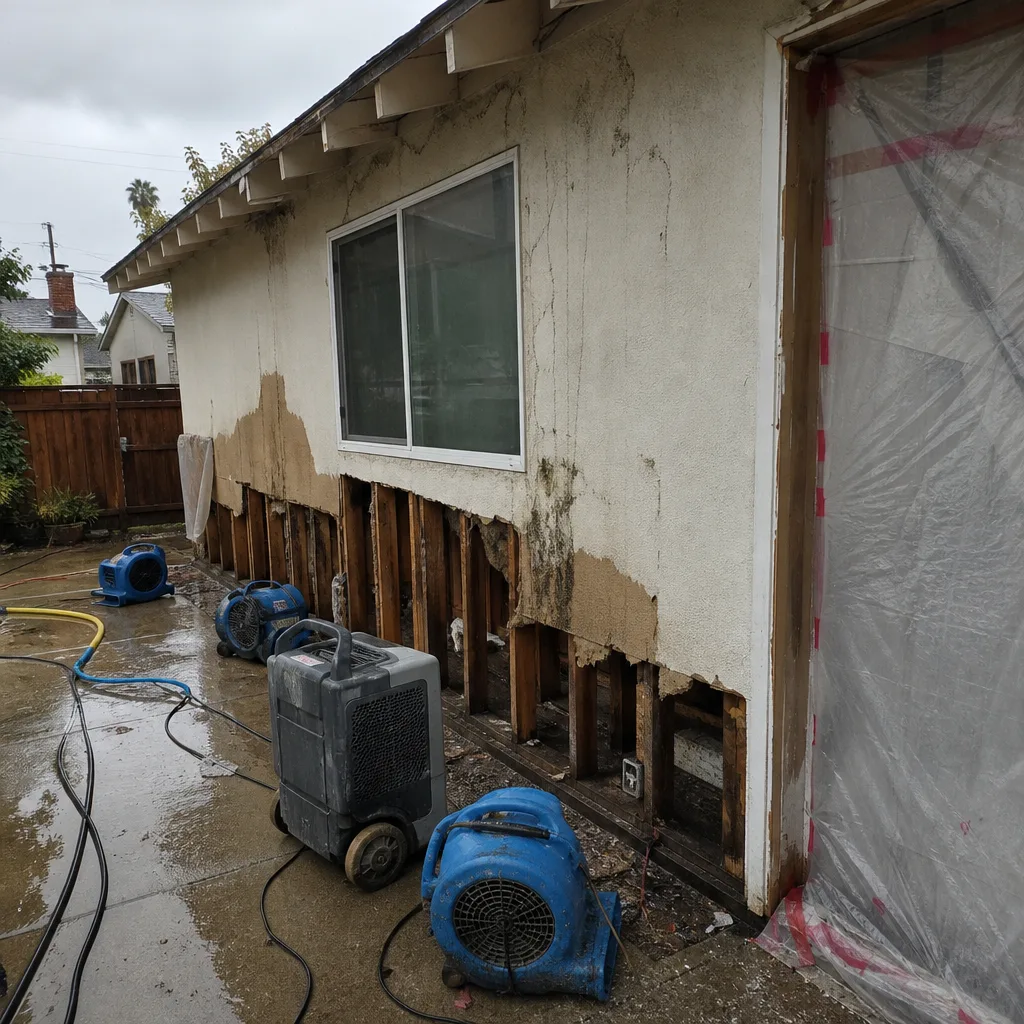 Before
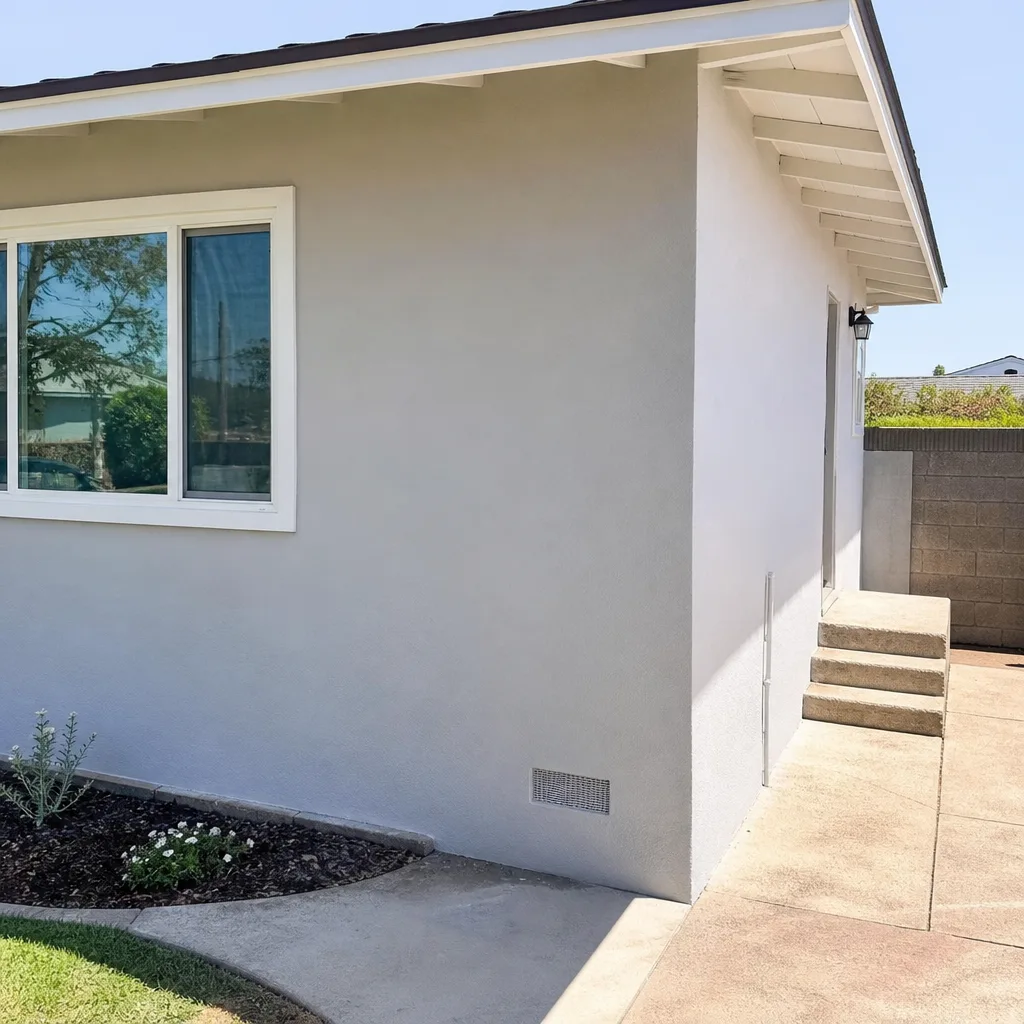 After
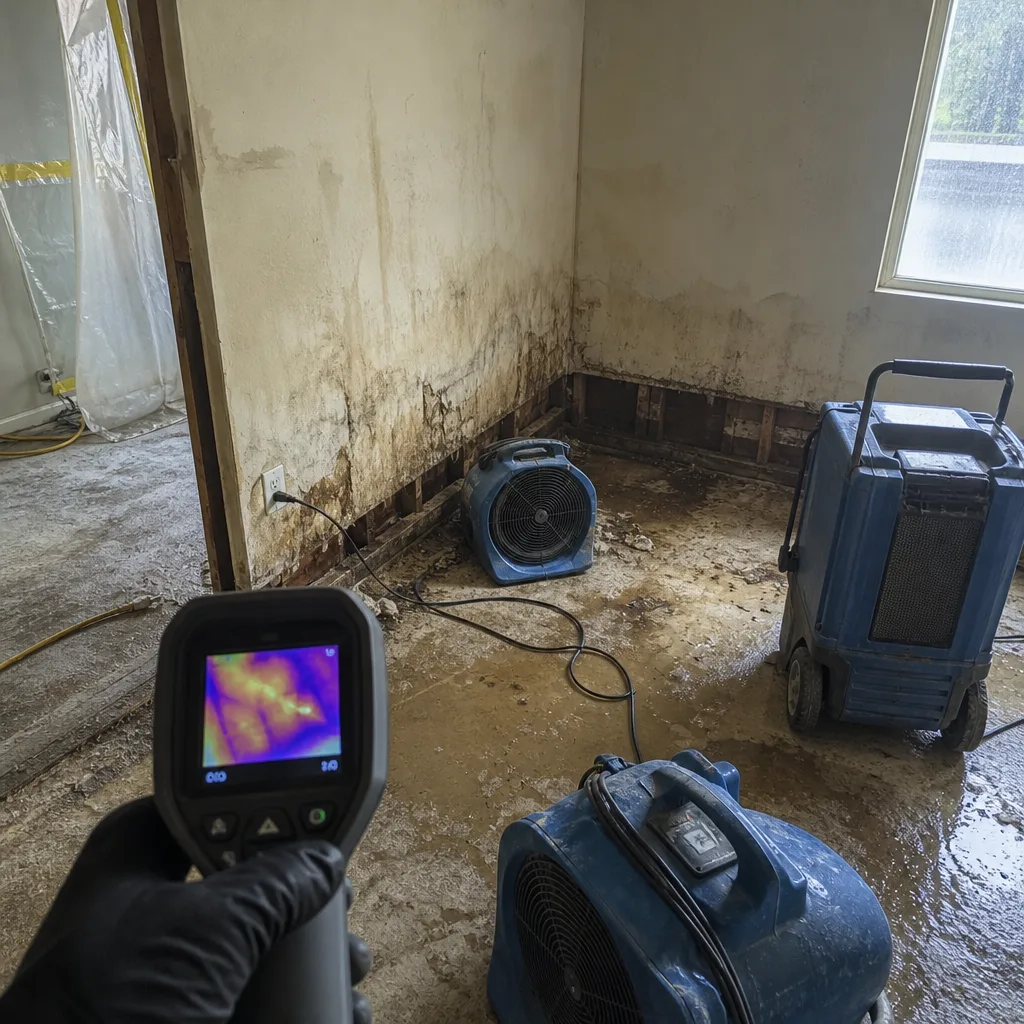 Before
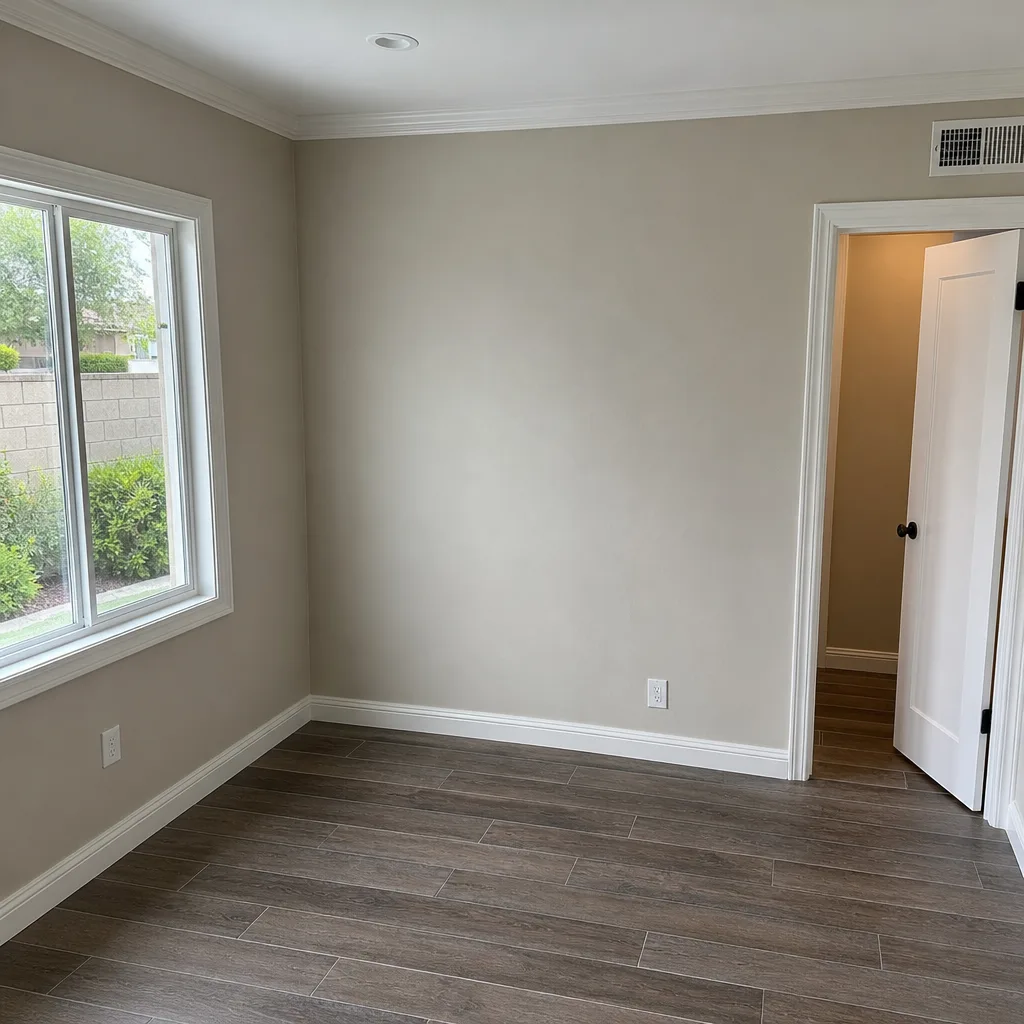 After
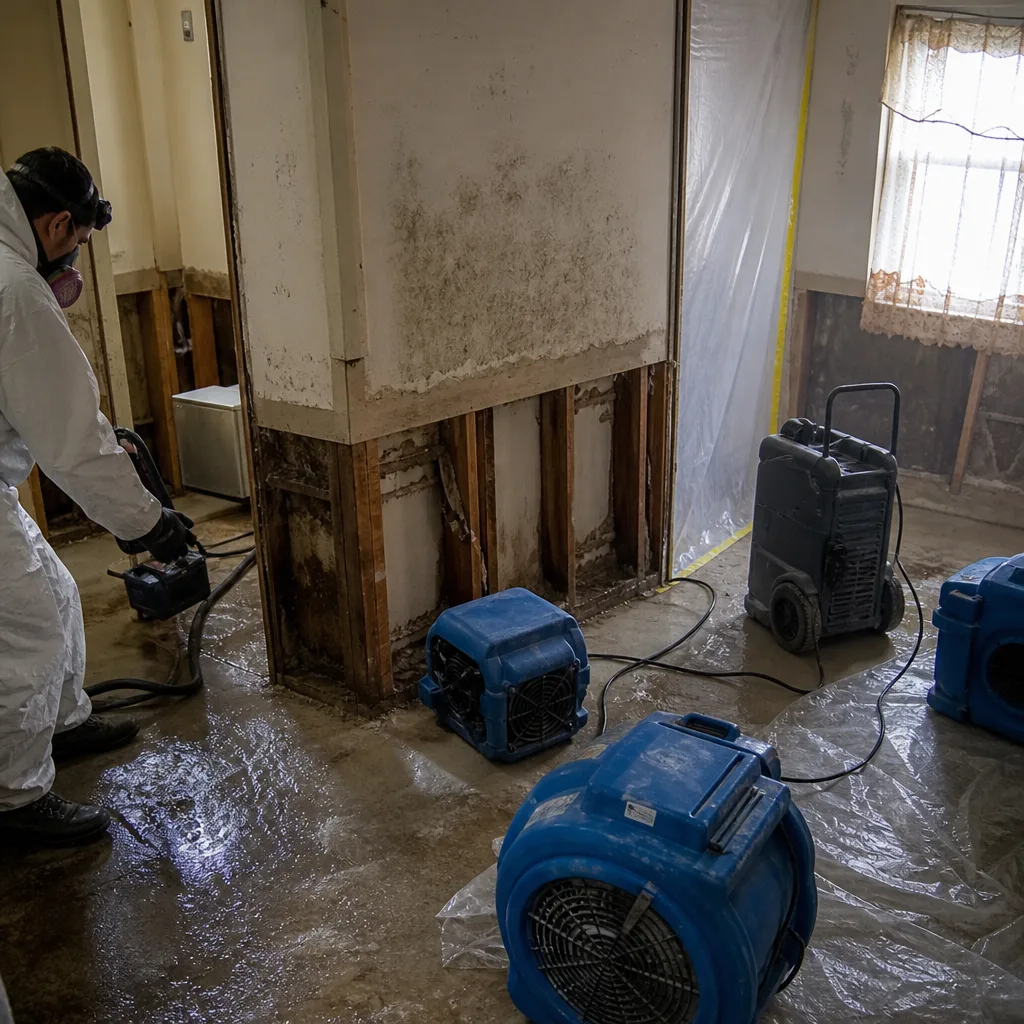 Before
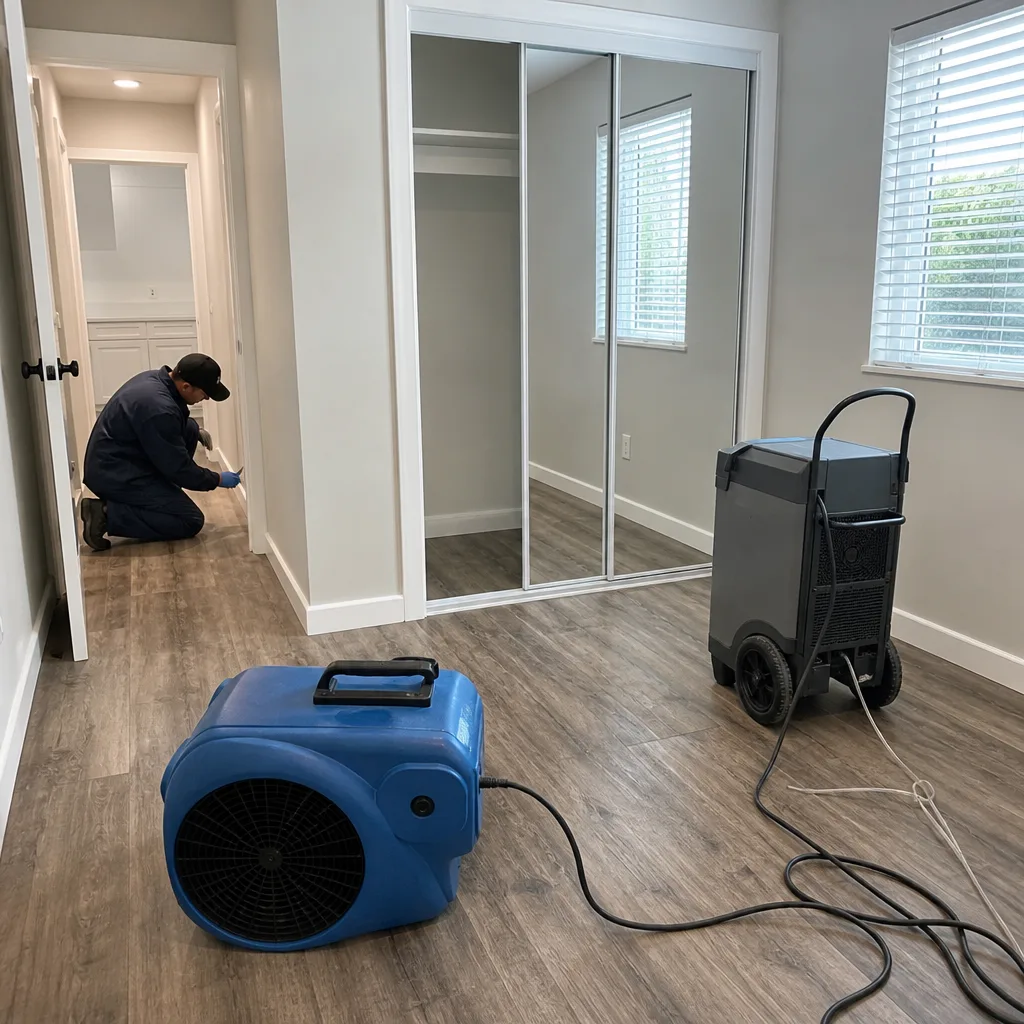 After