
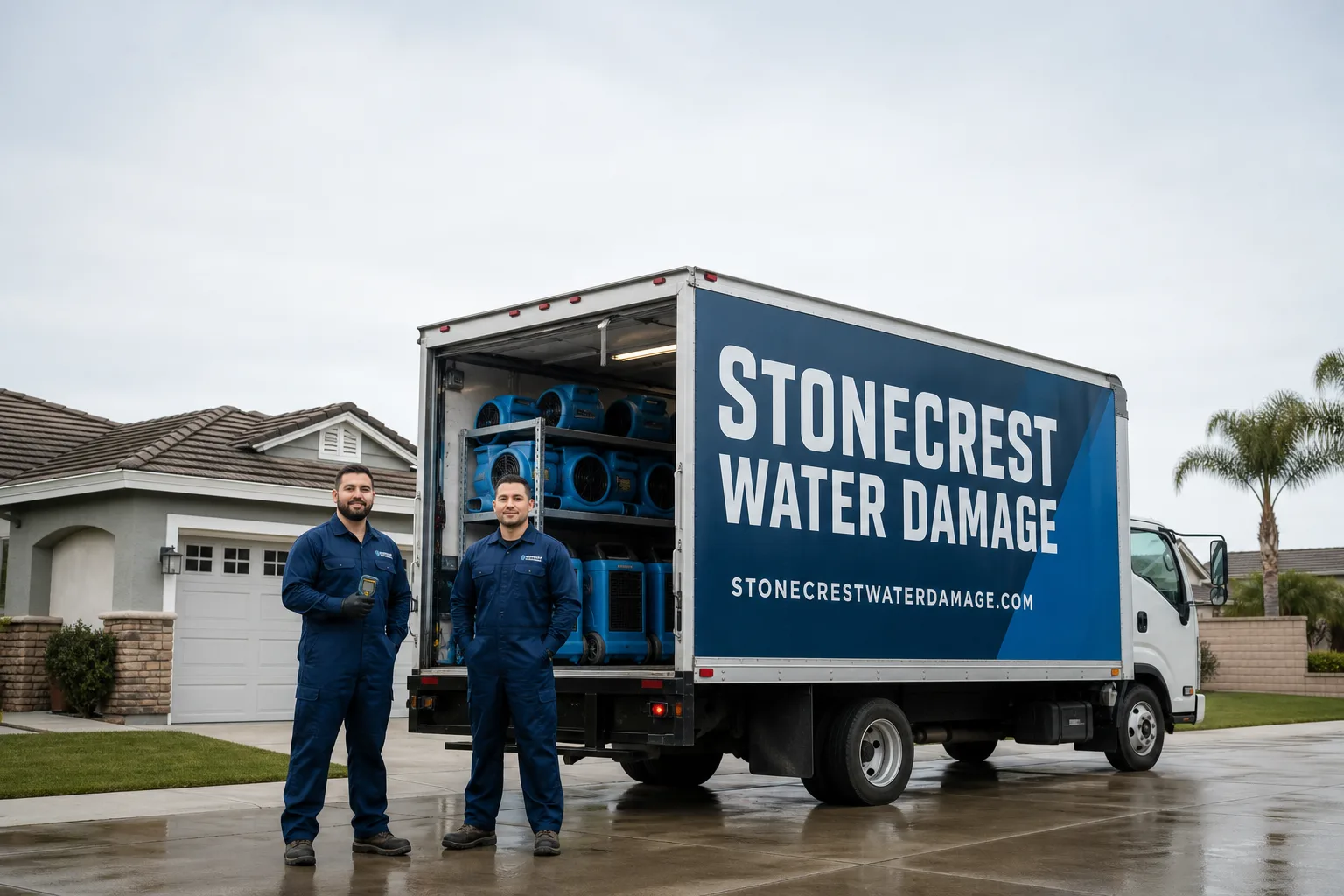
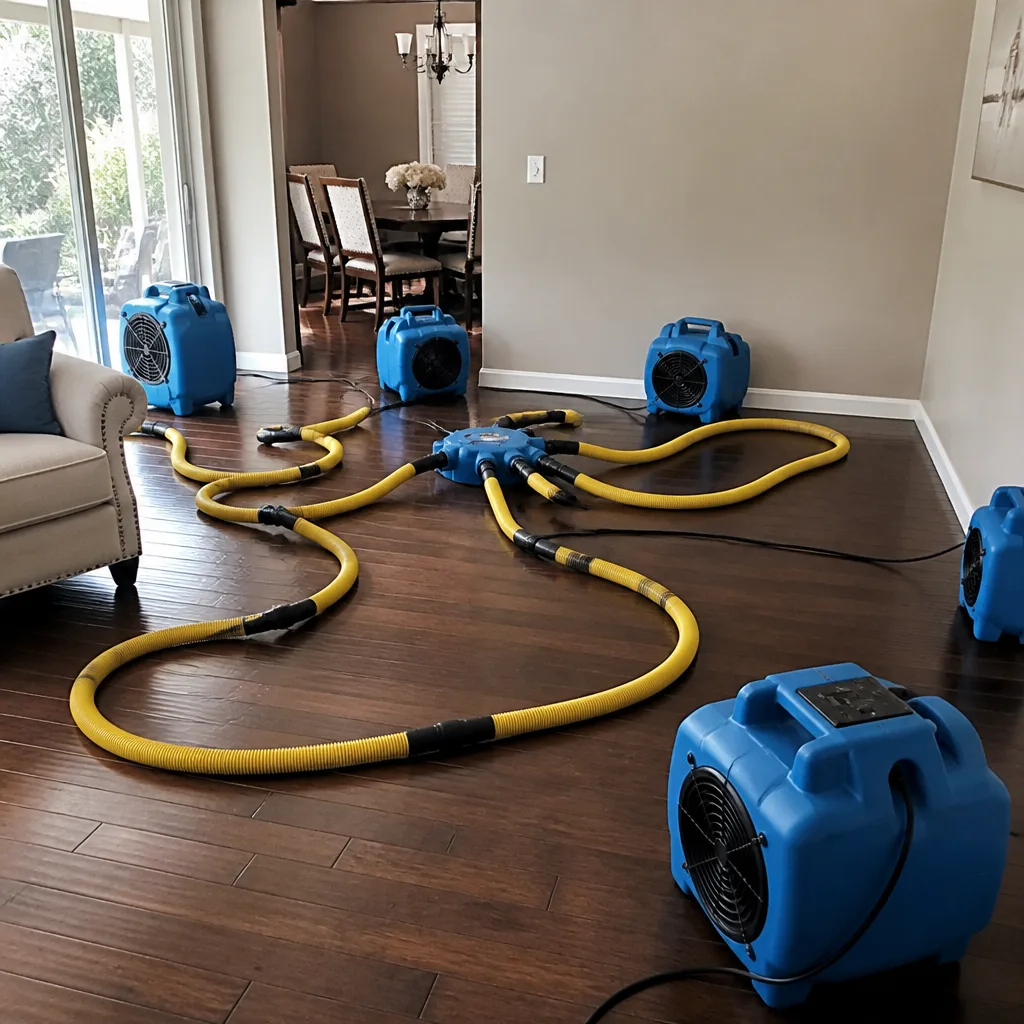
 Water damage drying
 Fire & smoke cleanup
 Mold remediation
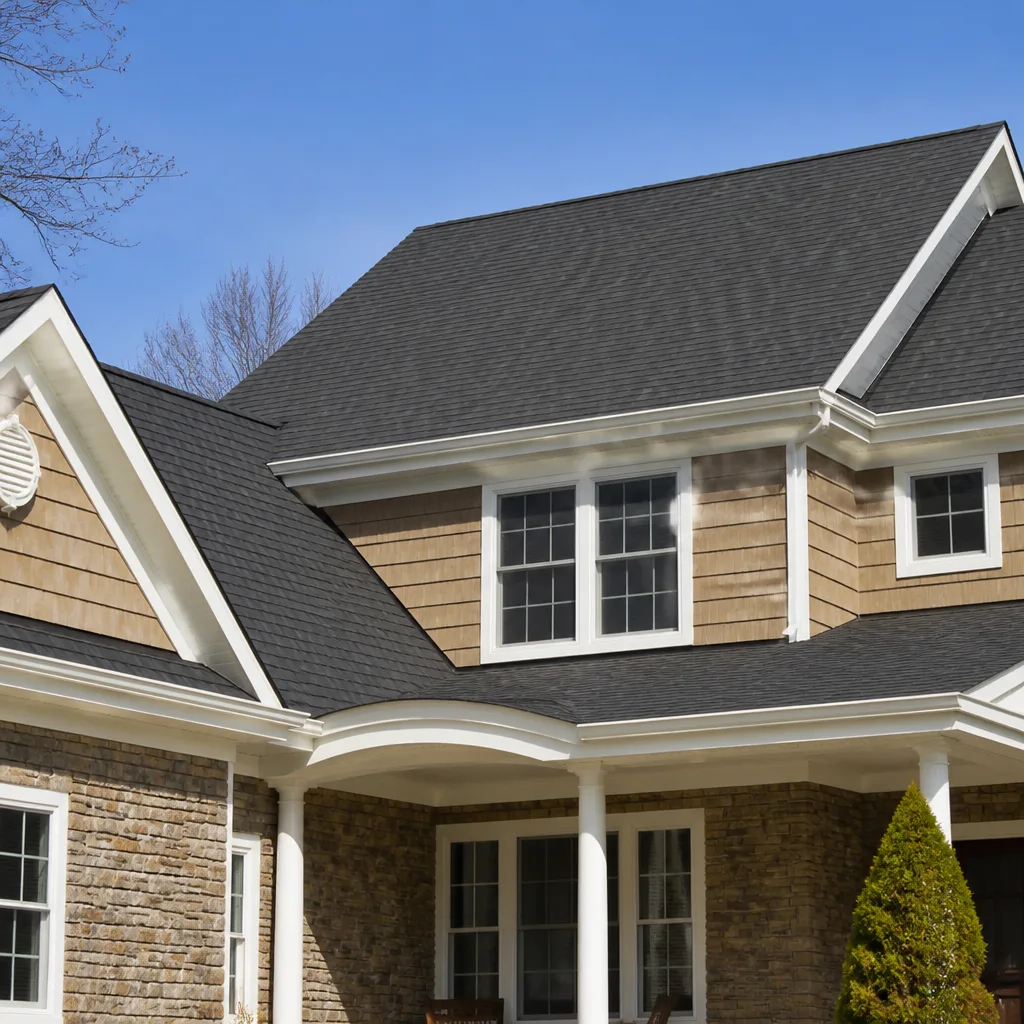 Storm response
 Sewage cleanup
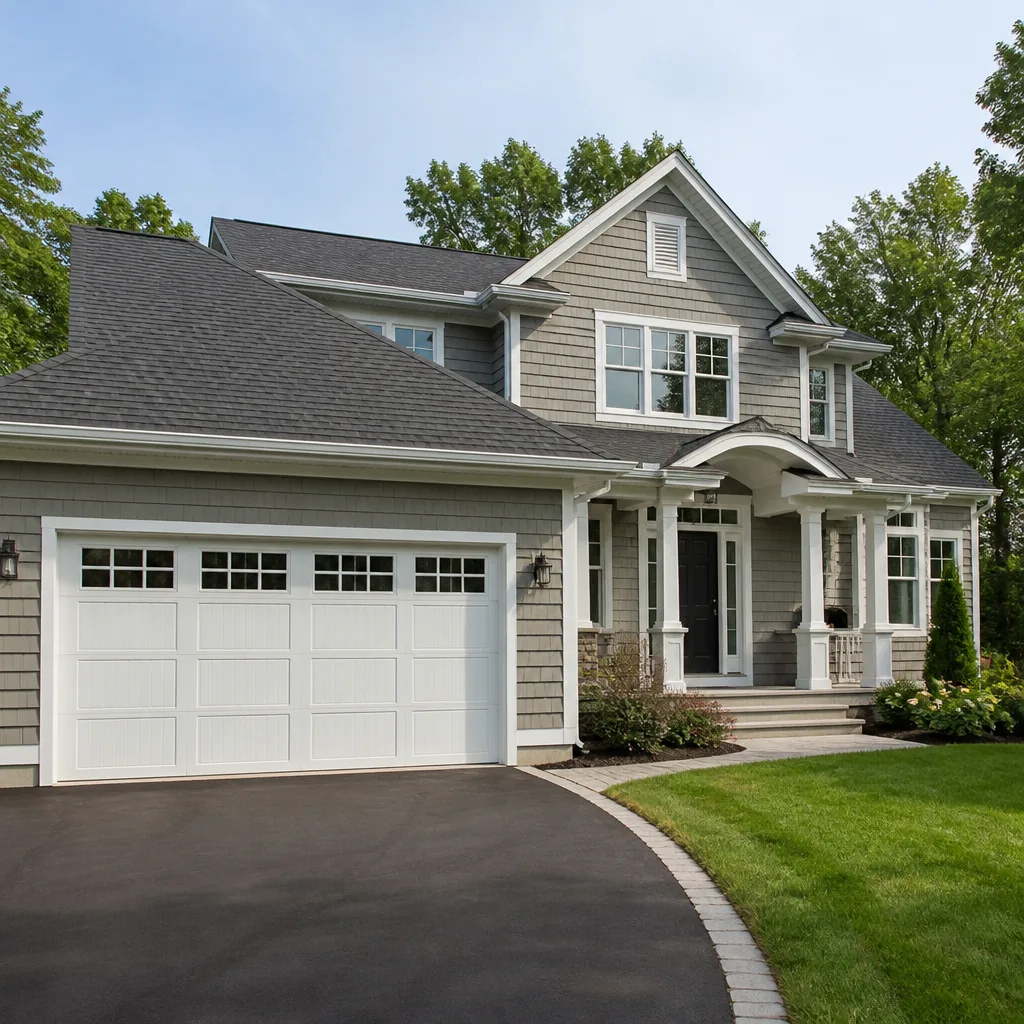 Reconstruction
Free visual inspection and a written scope of work before any mitigation begins - photos, moisture readings, and drying logs go in your claim file
The scope we write is the scope we bill. Anything new gets shown to you, in writing, before we touch it.
Get your free estimateFast, Reliable Mold Remediation Across Claremont
Mold remediation in Claremont typically costs $1,800 to $6,200 depending on how far the colony has spread and whether it’s behind plaster, in a crawlspace, or inside a wall cavity. Most jobs we handle in the 91711 zip code are completed within three to five days, including containment, removal, drying, and clearance testing. If you’ve spotted discoloration on a wall, smelled something musty that won’t go away, or had water enter your home after a Santa Ana windstorm, call (833) 589-9161 and we’ll walk you through what a moisture map and inspection will tell us.
We work on homes throughout Claremont every week, from the Craftsman bungalows around Memorial Park to the mid-century ranches north of Foothill Boulevard and the newer infill near the Claremont Colleges. Neil Stratton, who leads our restoration team, has spent years on lath-and-plaster homes with pier-and-beam foundations, and that’s the exact housing stock where mold does the most damage before anyone sees it.
Why Stonecrest Water Damage Is Claremont’s Preferred Mold Remediation Company
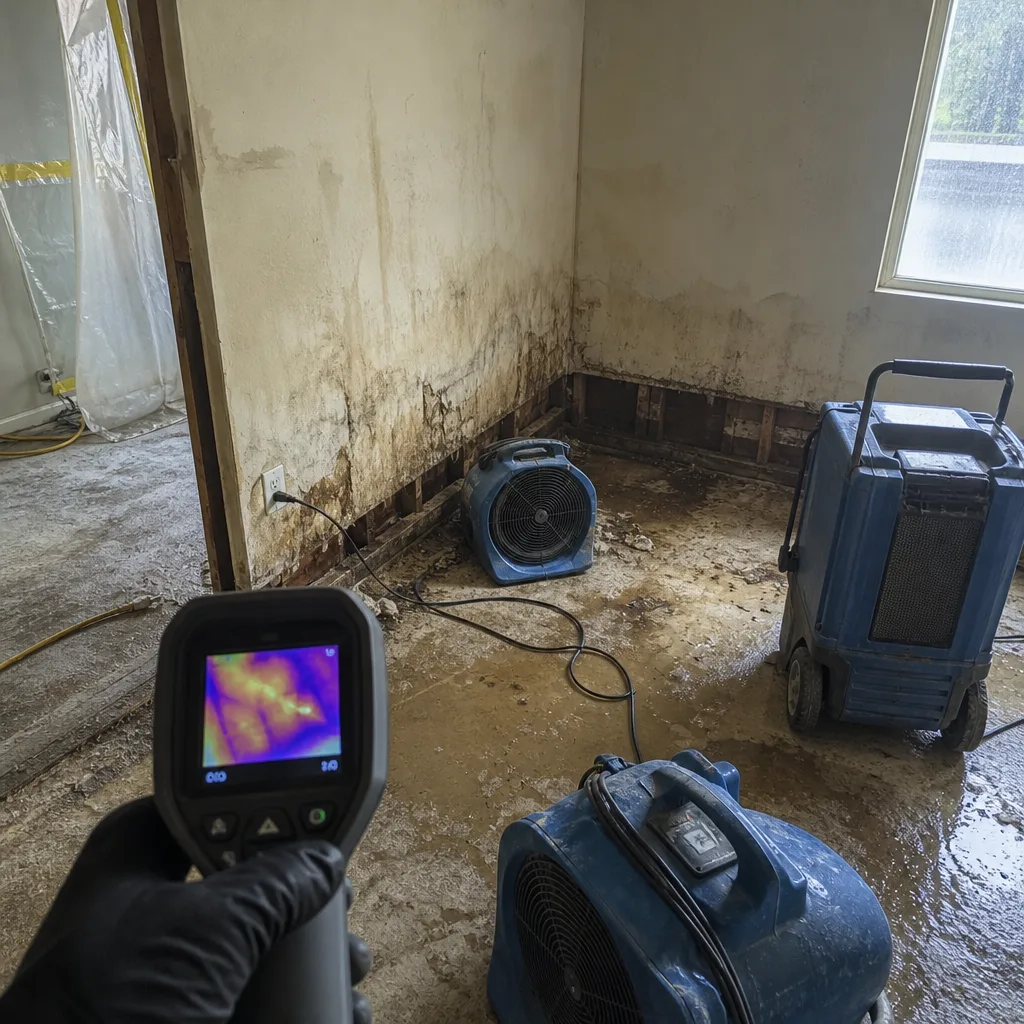
What sets our work in Claremont apart is that we treat mold remediation as preservation work, not demolition. The city’s historic Claremont Village and college-area neighborhoods are full of homes built between 1900 and 1950, and many still have their original gumwood trim, lath-and-plaster walls, and redwood framing. A crew that treats those walls like drywall will tear out material that should have been saved and miss mold hiding behind the plaster veneer. Our approach starts with moisture mapping and thermal imaging before any removal decision is made.
We’re certified to IICRC standards, which means our technicians follow the same documented protocols used on commercial loss sites. That matters when you’re filing an insurance claim because adjusters recognize IICRC-compliant documentation. Our affiliation with the Restoration Industry Association (RIA) and IFA also means we’re held to trade-specific ethical and technical standards. And because we handle water, mold, and fire under one roof, a Claremont homeowner dealing with wind-driven rain intrusion that leads to mold doesn’t have to coordinate between separate contractors.
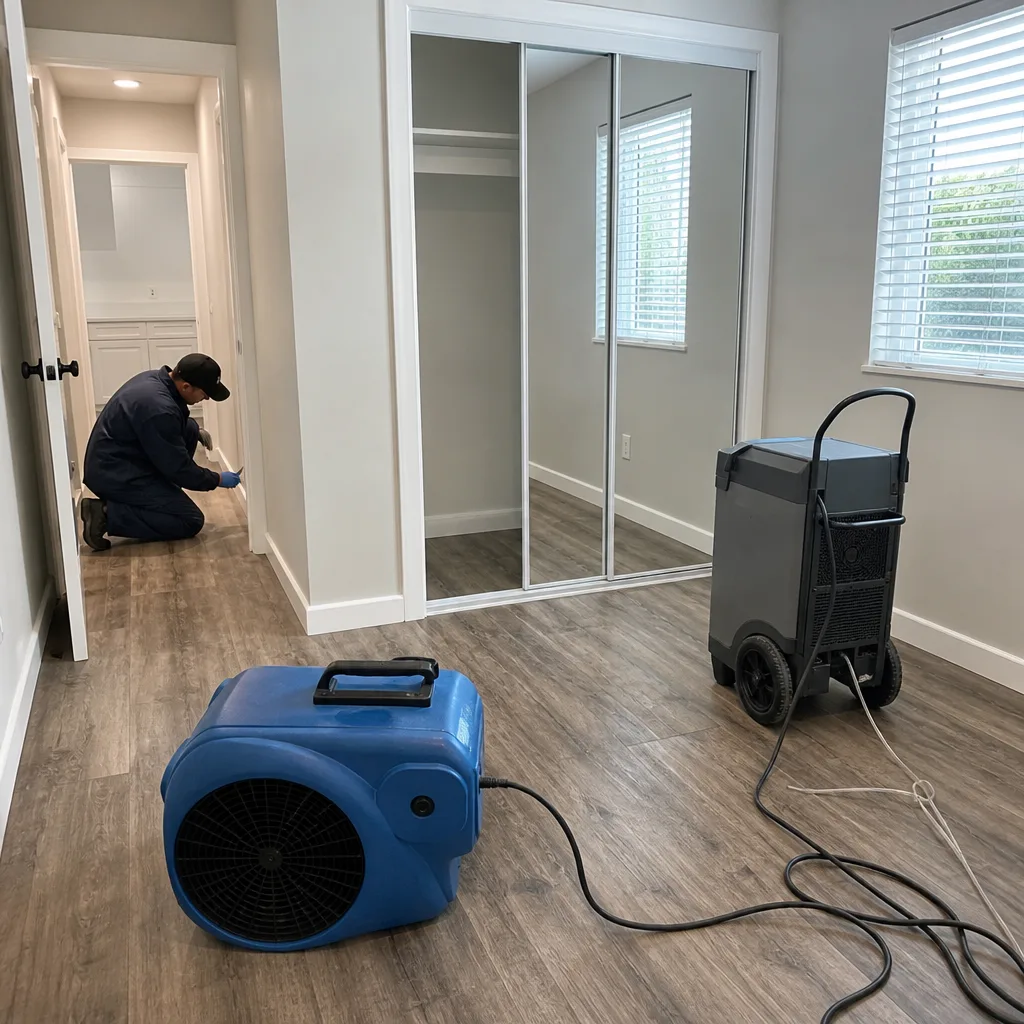
We stock the equipment needed for Claremont’s specific housing stock: Injectidry panels for drying wall cavities without removing original plaster, Phoenix and Dri-Eaz dehumidifiers sized for crawlspaces and attics, and pin meters calibrated for the density of lime plaster. Most Claremont calls get a technician on site within 24 hours of first contact.
Restoration work we handle
Mold Inspection in Claremont
Mold Inspection in Claremont homes starts with moisture mapping, because in this city the visible mold is rarely the whole story. A 1920s Craftsman with lath-and-plaster walls will hide moisture behind the plaster’s wood lath, where mold colonizes the paper facing and spreads along the studs. We use pin meters pressed into suspect walls and thermal imaging to find temperature differentials that indicate trapped moisture. Air sampling and surface swabs confirm spore types and concentrations. A full inspection with moisture mapping and lab results for a typical Claremont home runs $350 to $550, and we recommend one when you’re buying an older home in the Village, after any roof leak, after fire-suppression water has entered the structure, or when you smell must but can’t find the source.
Buying a Home? Get the Crawlspace Inspected
Claremont’s pier-and-beam foundations leave a crawlspace that holds moisture after winter rain and irrigation overspray. Mold grows on the joists and subfloor underside, out of sight, and we regularly find active colonies in homes that looked clean during a walkthrough. An inspection before close will tell you what you’re actually buying.
Post-Remediation Clearance Testing
After removal and drying, we run clearance air samples to confirm spore counts have returned to normal background for Claremont’s dry inland climate. This step follows the IICRC S520 standard and gives you a document you can show an insurance adjuster or a future buyer.
Mold Removal Specialist in Claremont
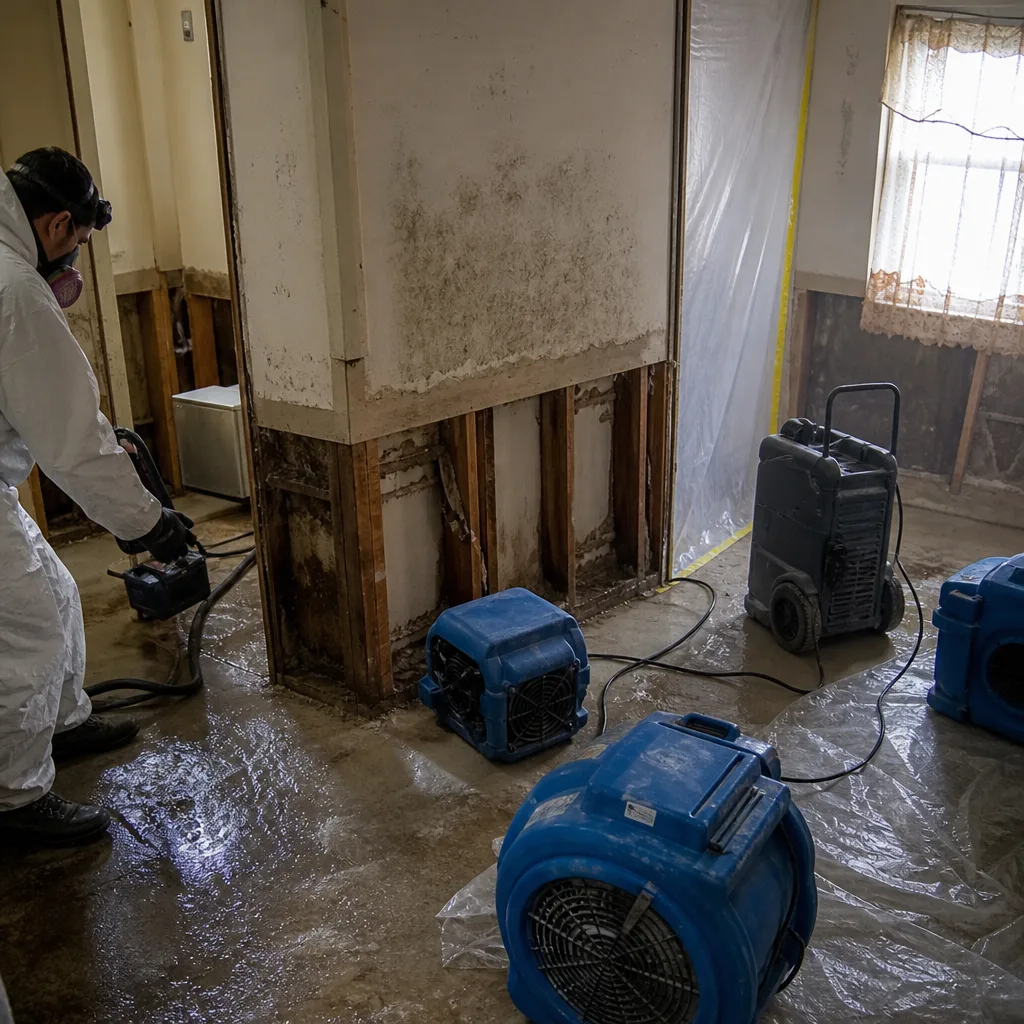
A Mold Removal Specialist in Claremont does different work than a general handyman. On an older Village home, the job often means setting containment around one room, removing only the plaster or trim that cannot be saved, and treating the wall cavity behind it, then drying the structure to pre-loss moisture levels before any rebuild. On a 1,000-square-foot crawlspace contamination, we isolate the foundation area, remove the affected insulation, HEPA-vacuum the joists, apply antimicrobial appropriate to the surface, and run commercial dehumidification until the wood reads dry on a pin meter. A single-wall bathroom remediation in Claremont typically runs $1,800 to $3,400; a full crawlspace job with replacement vapor barrier runs $4,000 to $6,200 depending on square footage and access.
Saving Original Plaster and Gumwood Trim
In a pre-war home, the plaster and trim are often the most expensive things to replace and the hardest to match. We’ll remove only what is structurally compromised. When the wall cavity is wet but the plaster face is sound, we can dry it in place using Injectidry panels that pull air through the lath, preserving the original wall. That means a plaster patch instead of a full re-rock, and original gumwood baseboards stay where they’ve been for a hundred years.
Crawlspace and Subfloor Remediation
Claremont’s clay soil holds water, and after a heavy winter rain or a broken clay sewer lateral, moisture wicks up into the pier-and-beam space. The subfloor and joists then support mold that pushes spores up through floorboards into the living space. We treat the wood surfaces, dry the space to standard, and install a fresh vapor barrier over the dirt floor. If the original clay lateral is the water source, we’ll document it and refer the actual pipe repair to a licensed plumber, then handle the mold and drying after the source is stopped.
Trusted Brands We Service in Claremont
Our Claremont customers expect restoration equipment that matches the age and sensitivity of their homes, and we run Dri-Eaz and Phoenix dehumidifiers alongside Injectidry panel systems on almost every job in the 91711 zip code. These are the same systems used by large-loss commercial restoration teams, not rental-store machines with consumer-grade airflow. Because we’re based close enough to keep Claremont stocked, we can usually have equipment on site the same day a job is approved. When a Village home needs a plaster wall cavity dried without demolition, the Injectidry panels go in the truck before we head up the 10. If you’re in Claremont and have an active leak or confirmed mold, the faster we get commercial-grade drying started, the less material gets removed. That’s the whole point.
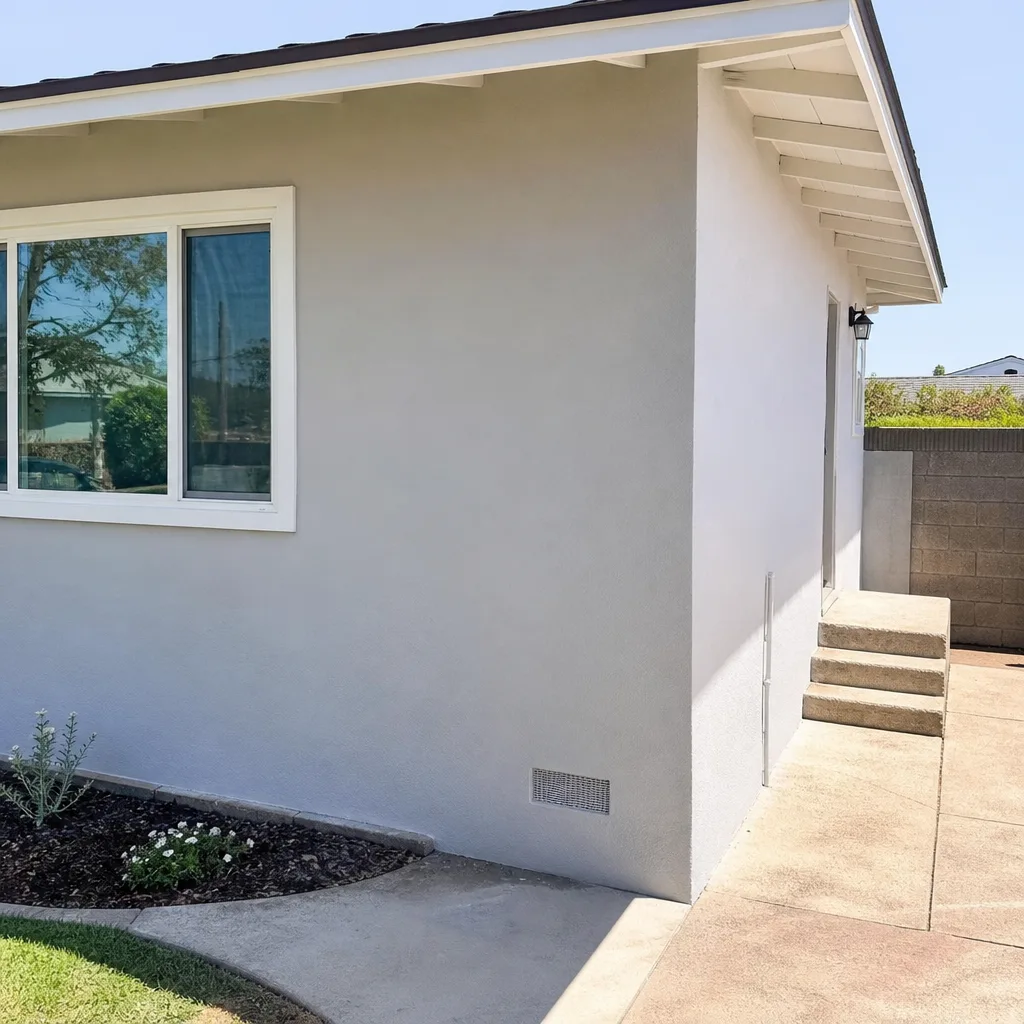
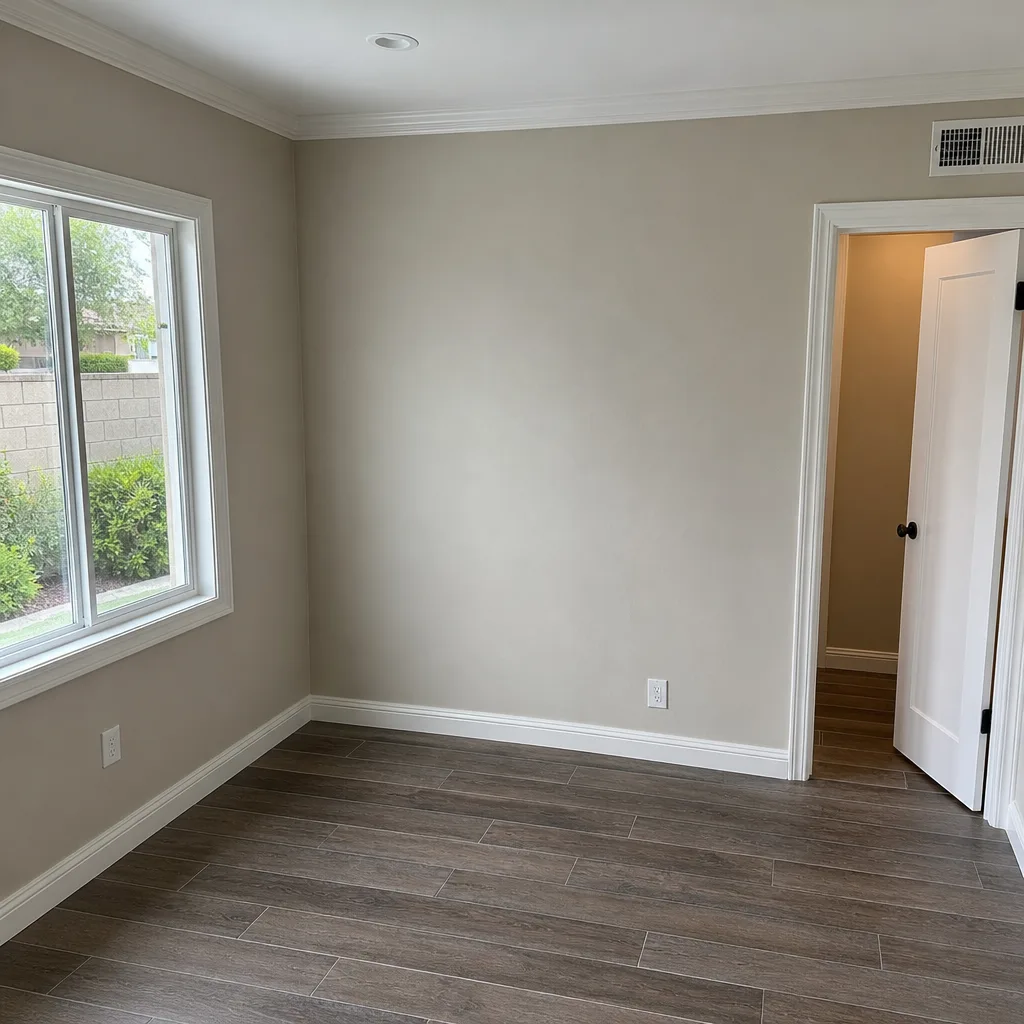
See the difference
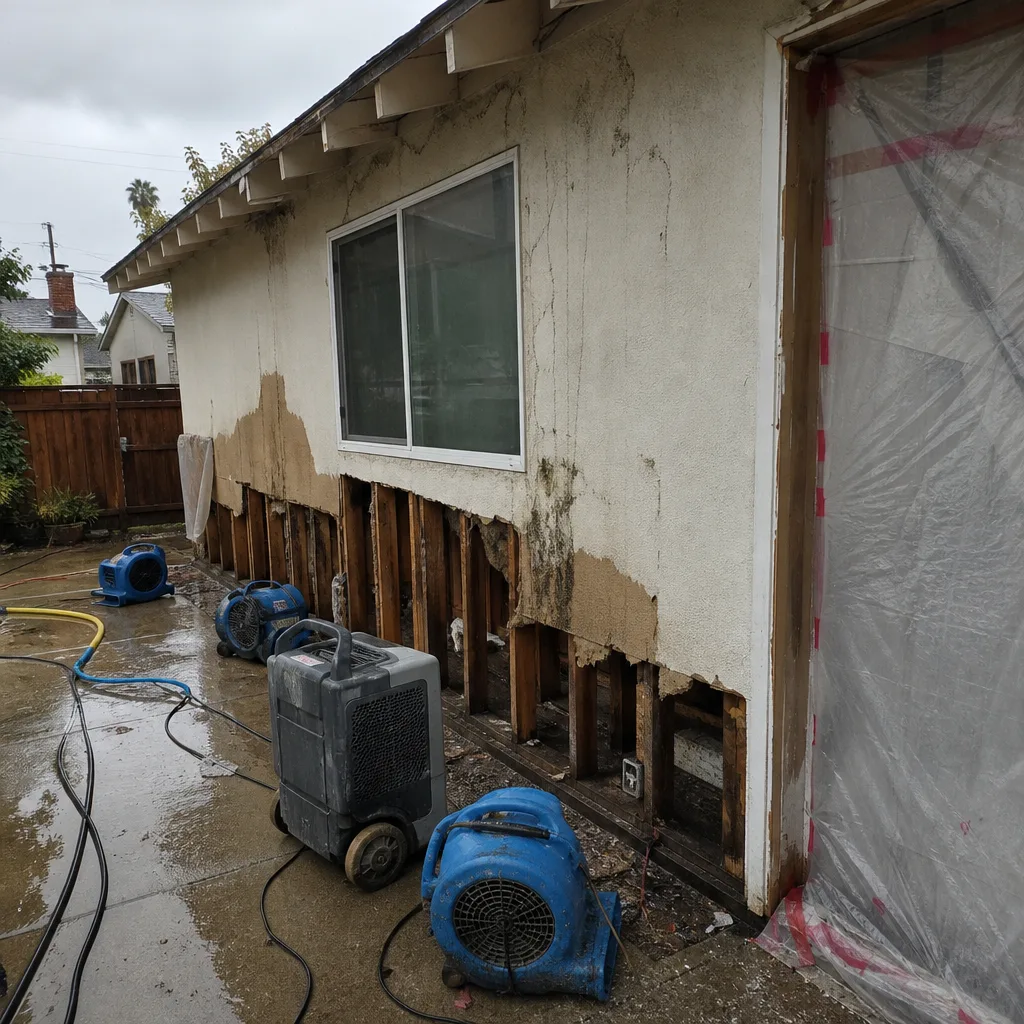 Before
 After
 Before
 After
 Before
 After
Common Mold Remediation Problems We See in Claremont Homes
- Mold behind lath-and-plaster in pre-war Village homes. Water from a roof leak soaks the wood lath behind the plaster face, and mold colonizes the paper and wood where no one can see it. The wall looks fine for weeks. By the time a stain appears on the plaster, the colony behind it is established and spreading along the studs.
- Crawlspace mold after winter rain or broken clay laterals. Claremont’s original clay sewer laterals crack and leak over time, and rainwater pools under pier-and-beam foundations in the heavier winter months. The joists and subfloor underside grow mold that pushes spores up through the flooring, long before anyone checks the crawlspace.
- Mold after fire-suppression water in ceiling cavities. Fire season brings ember intrusion and smoke, but the suppression water sprayed in the attic or through a roof vent does its own damage. If wet insulation and framing are left alone, mold starts within 24 to 48 hours in Claremont’s warm fall temperatures, even after the smoke odor is treated.
- Recurring mold from incomplete drying. A contractor removes the visible drywall or plaster, sprays the area, and closes it up before the framing behind it is dry to IICRC S520 standards. In Claremont’s older homes, that framing might have held moisture for decades, and the mold simply returns. We verify dryness with pin meters before any rebuild starts.
Pricing for Mold Remediation in Claremont, CA
Here’s what Claremont homeowners can expect to pay for common mold remediation work in the 91711 zip code. A single bathroom wall with contained mold and professional removal runs $1,800 to $3,400. A crawlspace under a typical 1,200-square-foot home, including treatment and vapor barrier replacement, runs $4,000 to $6,200. A full mold inspection with moisture mapping, thermal imaging, and lab-verified air samples runs $350 to $550. Prices here run slightly higher than in neighboring Pomona or Montclair because the older housing stock requires more containment and slower drying to preserve plaster and original trim. We’ll give you a written scope before any removal begins, and the estimate is free. Call (833) 589-9161 to schedule.
We Also Serve Cities Near Claremont
Our Mold Remediation team covers the entire eastern Los Angeles County foothill corridor. Beyond Claremont, we regularly handle jobs in Montclair, La Verne, Upland, and Pomona. If you’re in a neighboring community and dealing with crawlspace mold, post-leak contamination, or air quality concerns, Claremont is close enough that we can respond the same way we do locally. And because we’re based in Buena Park, we’re on the 10 and in your neighborhood quickly.
Serving Claremont, CA — Our Local Coverage Area
We’re based in the Claremont area and know this community well. Use the map below to see our service coverage — if you’re nearby, we can almost certainly help.
FAQs About Mold Remediation in Claremont
Lath-and-plaster walls hide moisture behind the plaster veneer, so mold remediation in a historic Village home begins with moisture mapping and thermal imaging, not visual inspection alone. The mold often colonizes the paper facing of the wood lath and the studs behind it, which means we set containment, remove only the plaster that cannot be saved, treat the cavity, and dry the structure with Injectidry panels before rebuilding. A crew that treats these walls like drywall will tear out more material and still miss the colony behind the plaster. Call (833) 589-9161 for an inspection if your Village home has a history of roof leaks.
Craftsman homes near the Claremont Colleges sit on pier-and-beam foundations over clay soil that holds water, so after winter rain the crawlspace becomes humid and the floor joists absorb moisture from below. Mold grows on the subfloor underside and spreads spores into the living space through floorboards and wall cavities. A vapor barrier that is torn or missing makes it worse. We treat the joists, dry the space to IICRC S500 standards, and install a new vapor barrier to prevent recurrence. The inspection to confirm the source and scope is free for Claremont homeowners.
Call us before the drywall or plaster has time to wick that water. After a coast live oak limb strikes a roof, water travels into the ceiling cavities and behind the walls, and mold can establish within 48 hours in Claremont’s warm fall weather. We triage the water first: set containment, tarp if needed, pull wet insulation, and run commercial dehumidification. Then we inspect for mold behind the lath and treat the affected framing. We’ll document everything for your insurance adjuster. Call (833) 589-9161 and we can have a technician on site in Claremont within 24 hours.
Often yes. When fire-suppression water enters ceiling cavities or walls during an ember-intrusion event, the moisture in the framing and insulation creates the exact conditions mold needs inside 24 to 48 hours. The smoke gets treated, but the wet framing is left alone, and then the mold starts. Our team handles fire, water, and mold under one scope, so we dry the suppression water while we address the smoke and char. If your home had a fire response this season and no one checked for trapped moisture, call (833) 589-9161 and we’ll do a moisture map and air quality assessment.
Yes. All of our mold remediation work in Claremont follows IICRC S520 standards for mold removal and S500 for water damage drying, with documentation at every step. Pin-meter readings before and after drying, containment verification, and clearance air samples are part of every job. That documentation is what insurance adjusters expect, and it protects you if a question ever comes up about whether the work was done properly. A written scope is provided before any removal starts. Call (833) 589-9161 to discuss your specific situation.
Written by Neil Stratton, Owner at Stonecrest Water Damage, providing mold remediation in Claremont, CA and surrounding communities.