 Water damage drying
 Fire & smoke cleanup
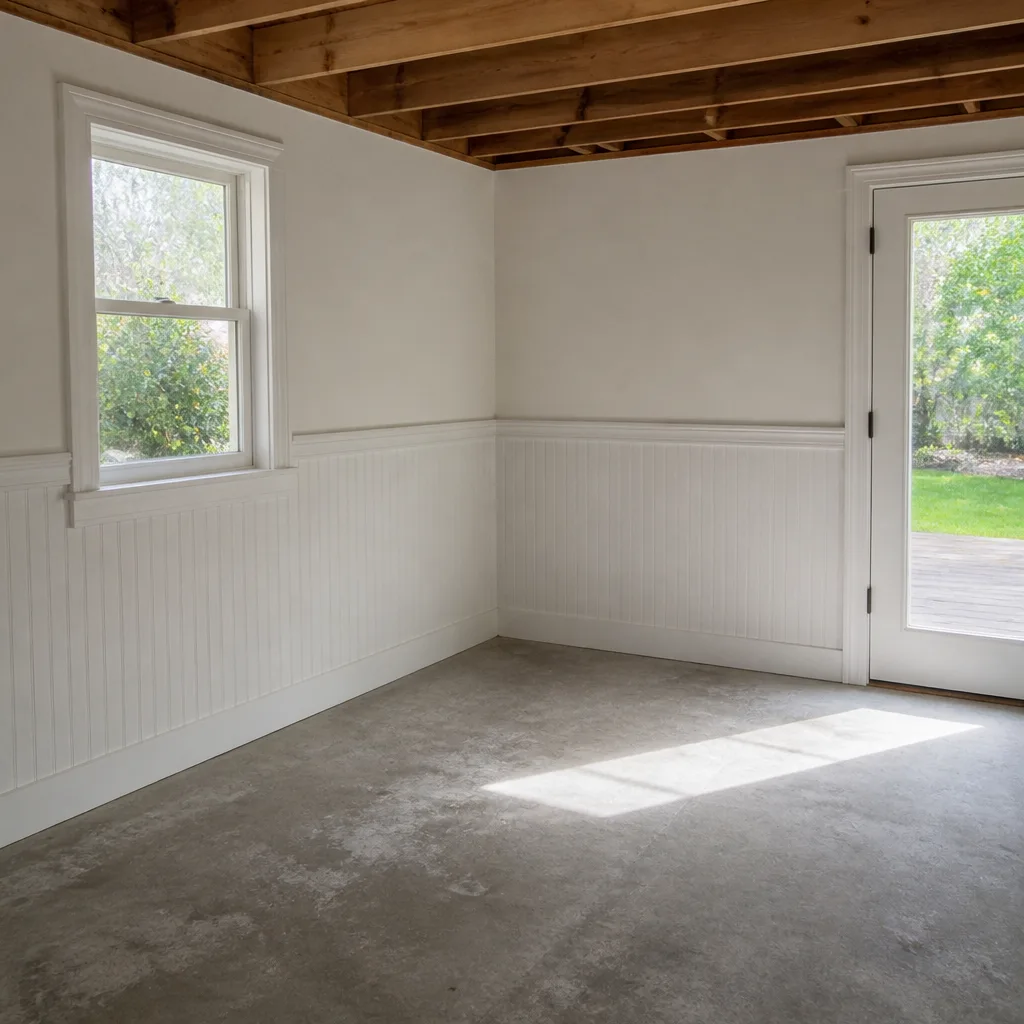 Mold remediation
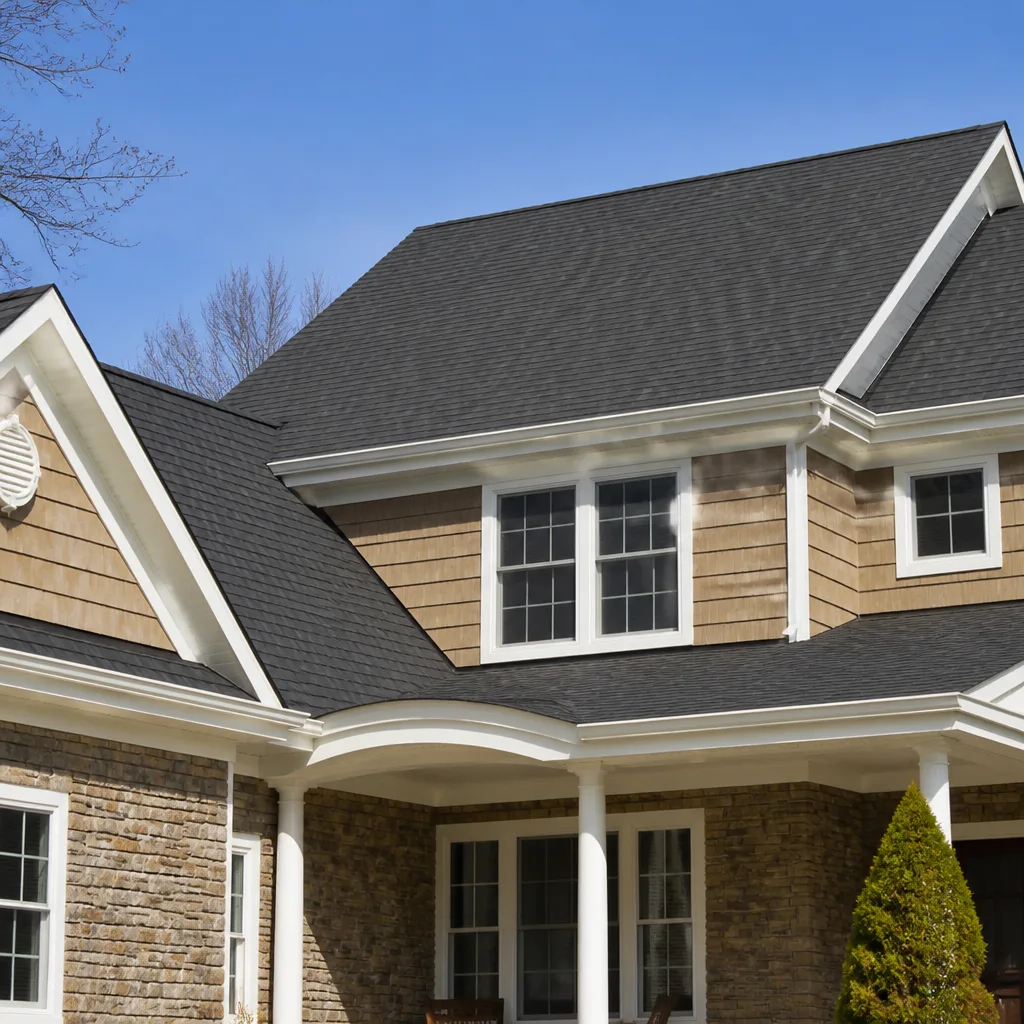 Storm response
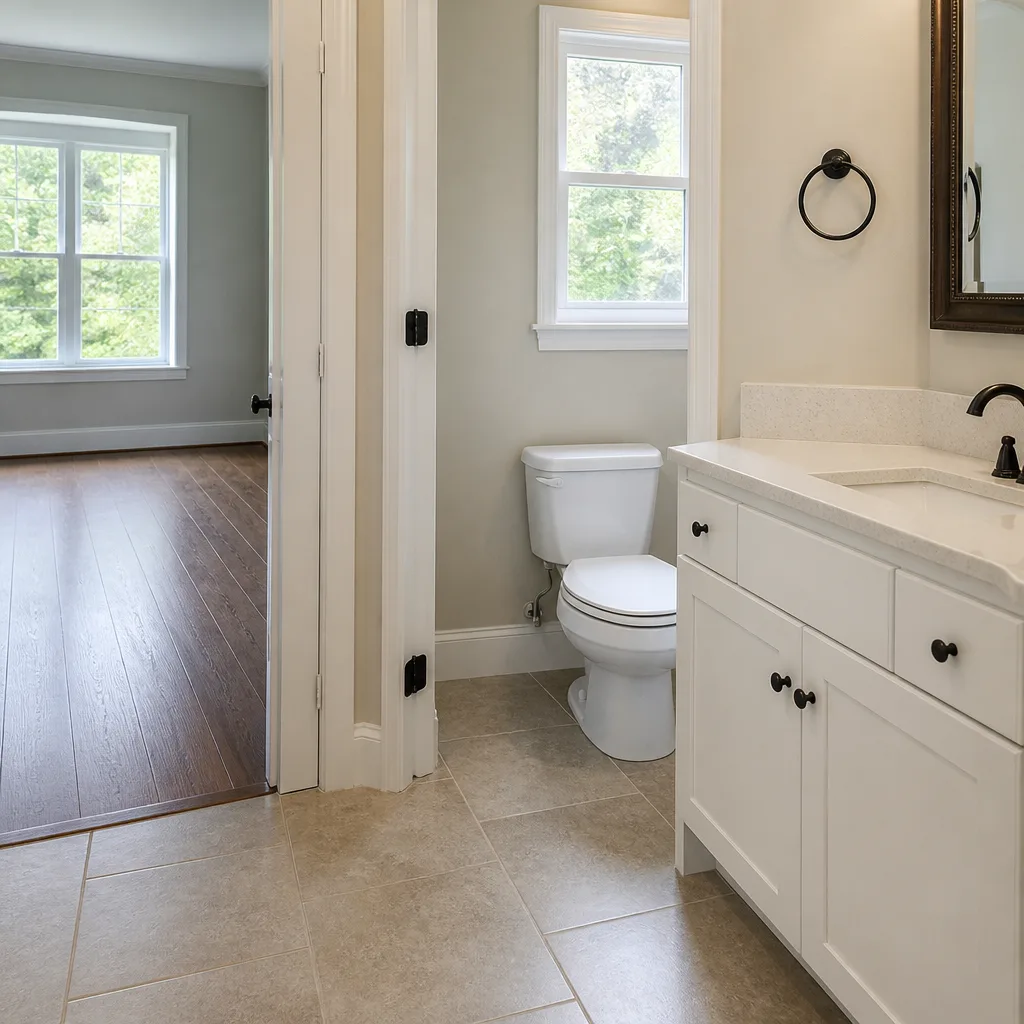 Sewage cleanup
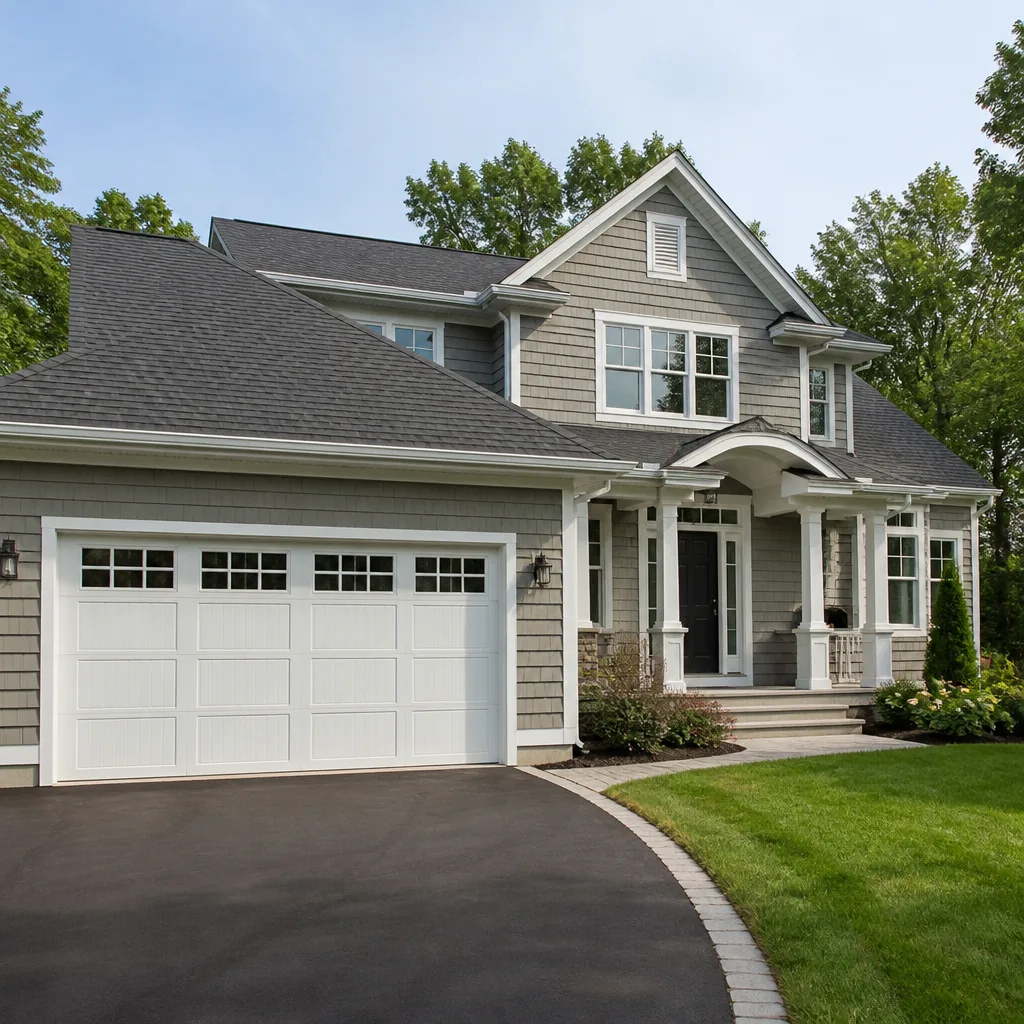 Reconstruction
Free visual inspection and a written scope of work before any mitigation begins - photos, moisture readings, and drying logs go in your claim file
The scope we write is the scope we bill. Anything new gets shown to you, in writing, before we touch it.
Get your free estimateFast, Reliable Water Damage Restoration Across Corona
Water damage restoration in Corona means acting on two very different failure profiles: mountain-front storm intrusion in the foothill tracts and mature plumbing leaks along the 91 corridor. Our crews service all four Corona ZIP codes, 92877 through 92880, with commercial drying equipment and IICRC-certified processes, not rental-store machines. A Corona home losing water behind a wall or under a slab needs documented drying, not guesswork. Call (833) 589-9161 and we’ll have a crew dispatched to your street.
Why Stonecrest Water Damage Is Corona’s Preferred Water Damage Restoration Company
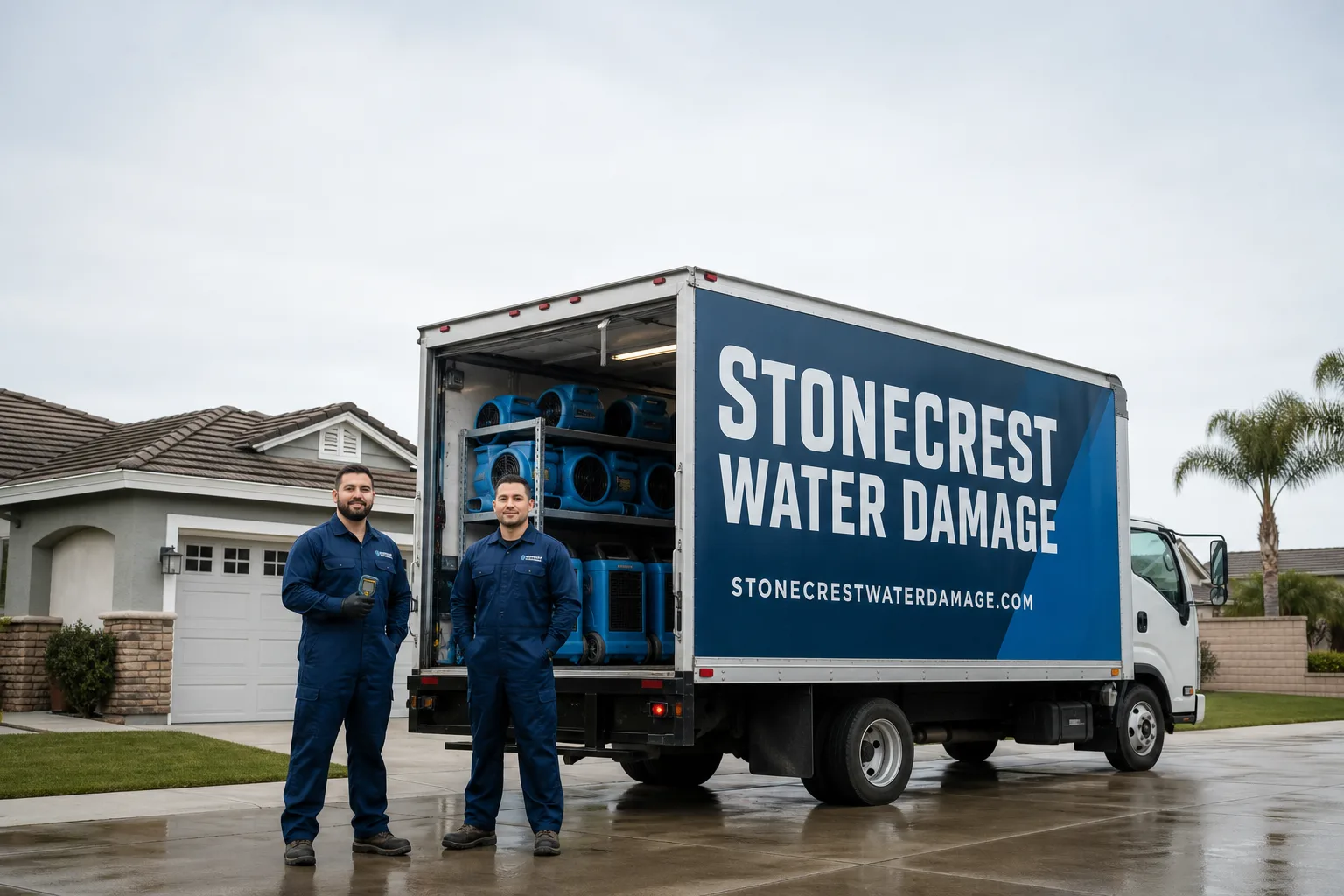
Corona homeowners call us because we treat the city as two distinct risk zones, not one generic service area. The Corona foothill tracts in 92881 and 92883 take monsoon and atmospheric-river runoff off the Santa Ana Mountains, while the 92879 and 92882 corridor along the 91 handles decades-old galvanized and early copper supply lines failing behind original walls. Those are different jobs requiring different equipment and different drying strategies. Our Water Damage Restoration team carries moisture meters, thermal imaging, and Dri-Eaz dehumidification on every truck, so the first visit produces real data, not a sales pitch. We hold IICRC certification and maintain RIA and IFA affiliation, which means our drying logs and moisture readings are built to satisfy insurance adjusters and third-party inspectors. Corona homeowners get one certified team for water, mold, and fire damage, eliminating the coordination gap between multiple specialty contractors. Led by Neil Stratton, our team answers calls from Corona residents every day, and we know the difference between a 92880 slab leak and a 92882 wall cavity leak before we pull up the driveway.
Restoration work we handle
Emergency Water Damage Restoration in Corona
Emergency Water Damage Restoration in Corona typically involves a sudden water-loss event: a burst supply line, a failed water heater, a monsoon storm overwhelming a flat roof, or an atmospheric-river storm pushing runoff into a garage or crawlspace. Corona’s dry heat means homeowners often don’t notice a slow slab leak for weeks, until a winter storm pushes water into the same hidden cavity and suddenly the baseboards are swollen and the cabinet smells. Emergency response here means extraction first, then containment, then a measured drying plan. Expect to pay $450 to $900 for emergency water extraction in Corona, depending on affected square footage and water category.
Extraction and Containment
Our crews arrive with truck-mounted and portable extraction units sized for the job, plus containment barriers to keep affected areas isolated while drying begins. In Corona’s older 92879 and 92882 homes, containment matters because original framing and plaster absorb water fast, and cross-contamination through HVAC returns is a real risk. We set containment, log moisture readings, and begin structural drying the same visit.
Drying and Documentation
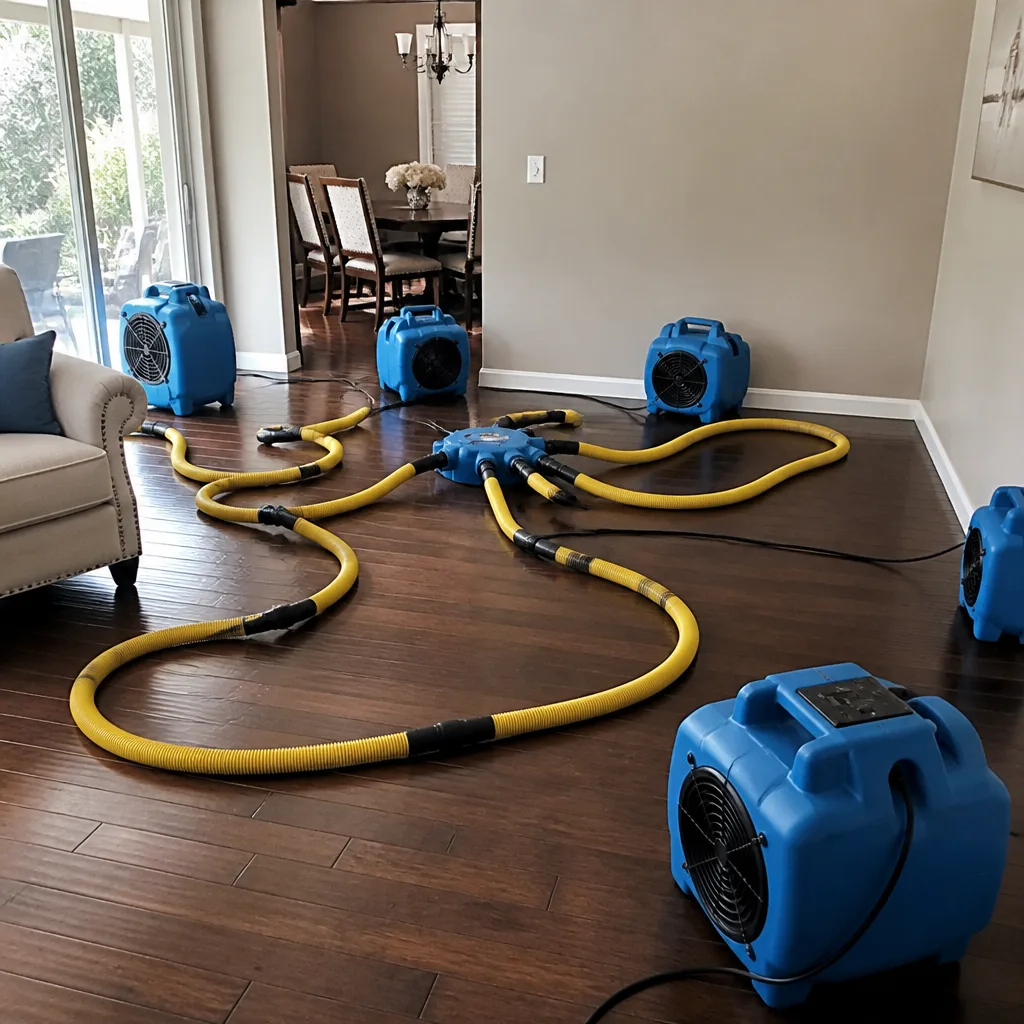
Structural drying in Corona homes runs $1,200 to $3,400 for a typical affected room or hallway, with equipment placement guided by moisture mapping rather than guesswork. Every job gets daily drying logs, photo documentation of affected areas before and during work, and a written scope before any demolition begins. That documentation is what insurance adjusters want to see when you file a claim.
Water Damage Repair in Corona
Water Damage Repair in Corona means restoring the structure after extraction and drying: replacing damaged drywall, treating stud cavities for microbial growth, repairing or replacing affected flooring, and rebuilding any framing that lost integrity. In Corona’s 1960s and 70s homes along the 91, repair often requires opening walls to access original galvanized pipes that failed behind the plaster. In newer 92880 tract homes, repair focuses on slab leaks that pushed water under the flooring before it ever surfaced. Full water damage repair in Corona typically runs $2,800 to $8,500 depending on the size of the affected area and whether cabinetry, flooring, or ceiling drywall requires replacement.
Structural Repair and Rebuild
When framing is saturated, our techs use Injectidry systems to dry inside wall cavities without unnecessary demolition, preserving more of the original structure. That matters in Corona’s older homes, where original lath-and-plaster walls are expensive and difficult to match if torn out. If framing requires replacement, we document the scope in writing before work starts, and we coordinate directly with your insurance adjuster on the claim.
Flooring and Cabinet Restoration
Corona’s dry summers hide slab leaks that saturate underlayment and subfloor for weeks before a homeowner notices warping or odor. Our crews pull moisture readings from the slab and subfloor, not just the carpet surface, to determine whether the flooring can be saved or needs removal. That distinction is what separates a real restoration from a surface patch job, and it’s the difference between a claim that closes and a claim that reopens six months later.
Trusted Brands We Service in Corona
Our Corona crews run Dri-Eaz, Phoenix, XPOWER, B-Air, and Injectidry equipment on every job, the same commercial-grade systems used on large-loss commercial sites. That matters in Corona because the city’s two failure profiles demand different equipment: high-capacity dehumidification for monsoon-flooded foothill homes and precision in-wall drying for mature 91-corridor plumbing failures. We stock parts and supplies for Corona customers in our Buena Park facility, so a same-week restoration doesn’t stall waiting on a filter or hose. You won’t find rental-store blowers on our trucks.
See the difference
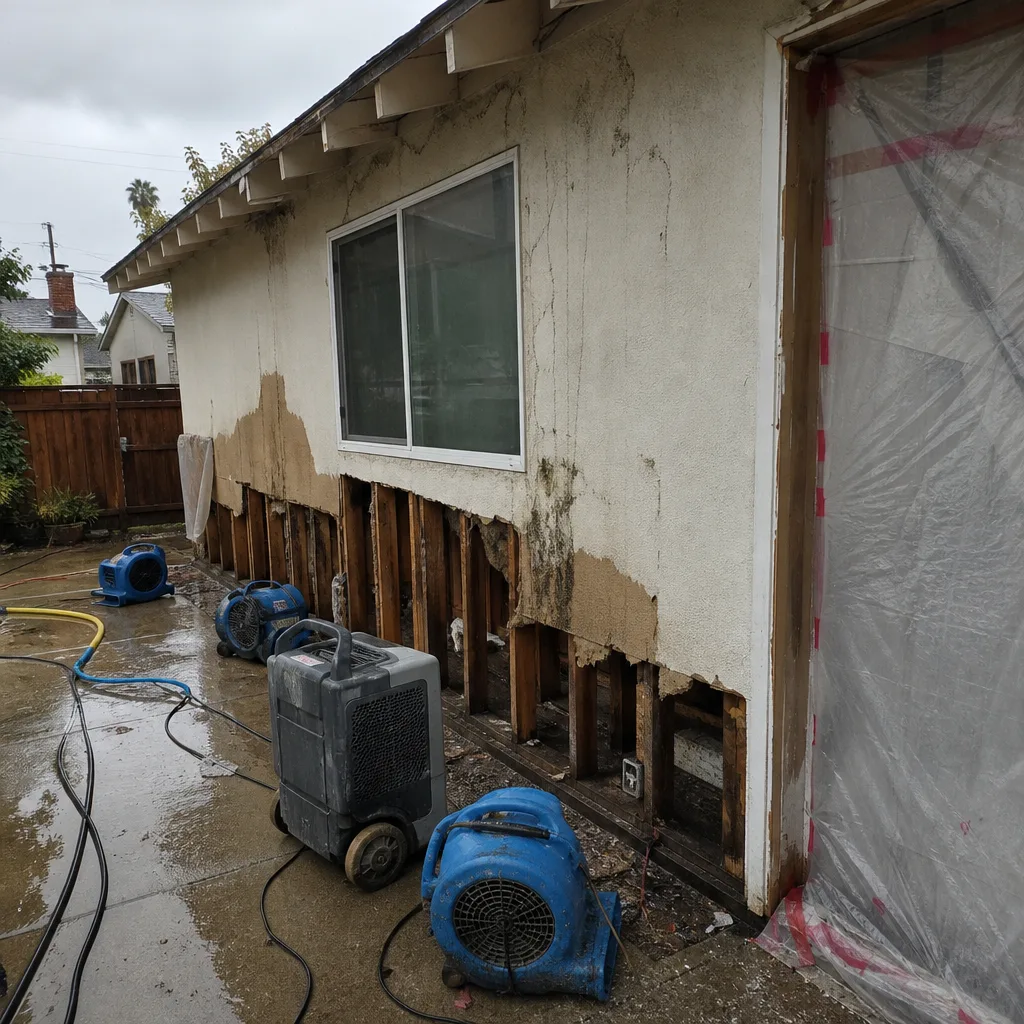 Before
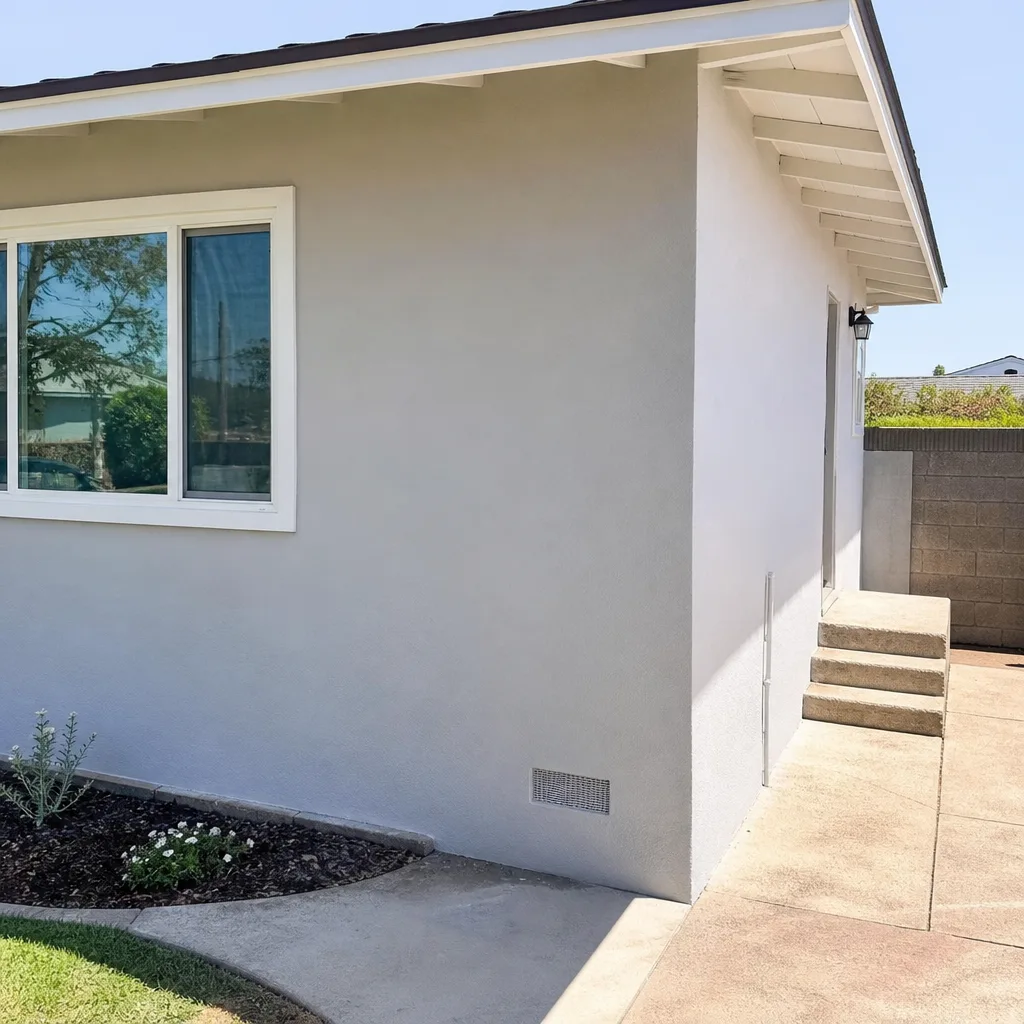 After
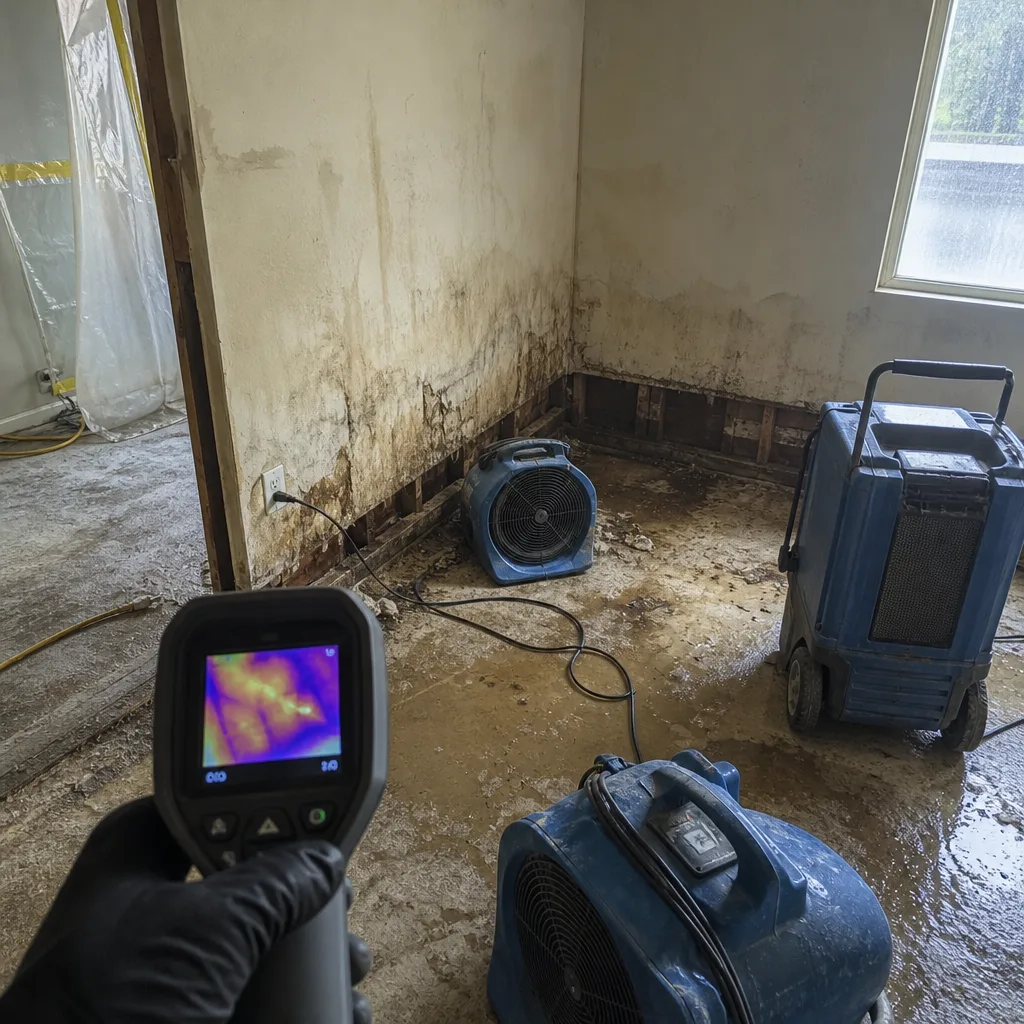 Before
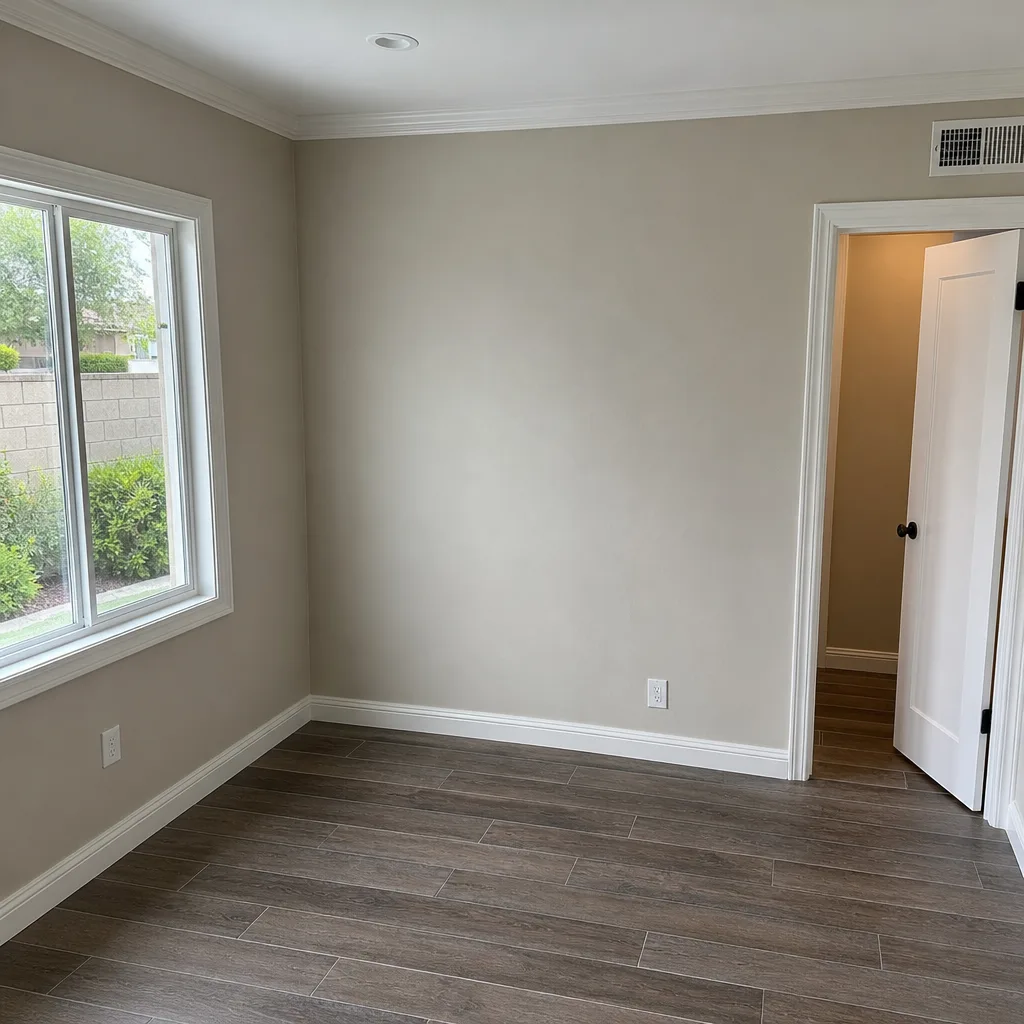 After
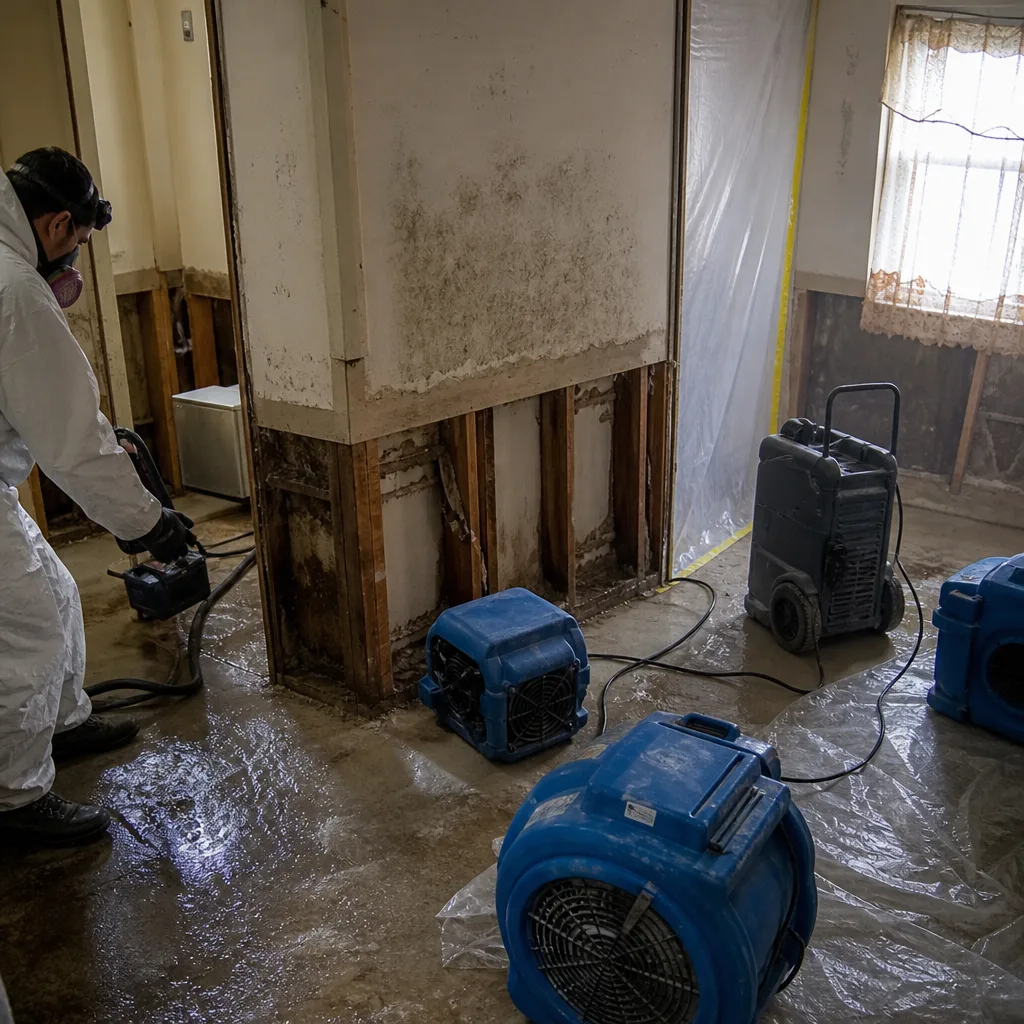 Before
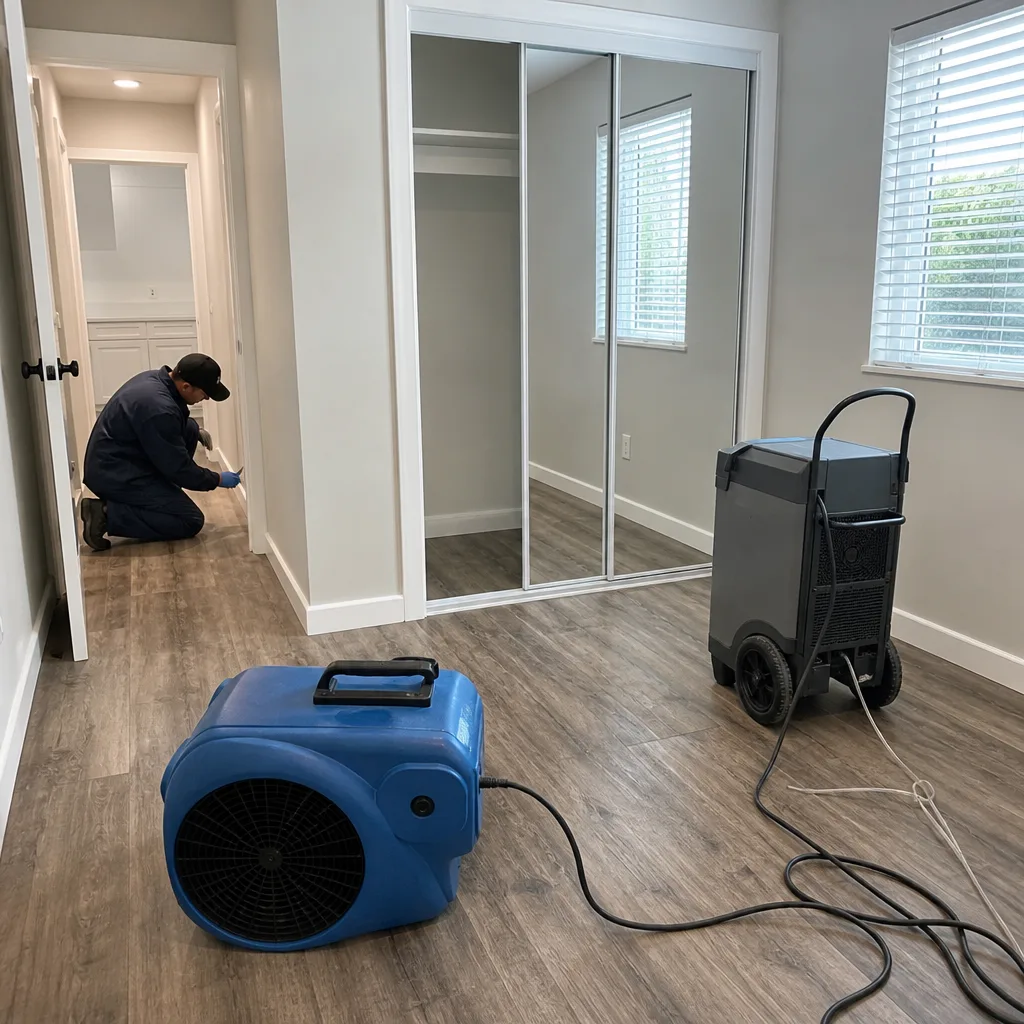 After
Common Water Damage Restoration Problems We See in Corona Homes
- Hidden slab leaks in 92880 tract homes. Corona’s newer PEX and slab-on-grade construction pushes category 1 water under the floor before it ever surfaces, so homeowners see a dry carpet and miss a saturated slab. Moisture mapping is the only way to catch these before mold grows under the flooring.
- Dry-season under-sink leaks in 92879 and 92882. A slow supply-line drip behind a cabinet evaporates all summer in Corona’s heat, then a winter storm pushes water into the same cavity and suddenly there’s mold behind the toe kick. Homeowners mistake it for a storm problem, but the leak has been active for months.
- Flat and mansard roof intrusion along the 91 corridor. Monsoon and atmospheric-river rain overwhelms older drainage on 1960s and 70s homes, and a short intense intrusion turns category 1 water into category 2 or 3 within hours. Drying category 3 water instead of removing it is a common and expensive mistake.
- Wind-driven rain into foothill tract attics. The 92881 and 92883 foothill homes face Santa Ana wind patterns that drive rain horizontally into attic vents and under ridge caps, saturating insulation and ceiling drywall before anyone notices. Corona’s heat then bakes that moisture into mold growth in the attic space.
Pricing for Water Damage Restoration in Corona, CA
A typical emergency water extraction in Corona runs $450 to $900, structural drying $1,200 to $3,400 per affected room, and full water damage repair $2,800 to $8,500 depending on the scope. What drives cost in Corona specifically is whether the job involves a slab leak in a 92880 tract home, which requires floor removal and subfloor drying, or a wall cavity plumbing failure in a 92882 home, which requires opening original plaster and lath. Burst pipe restoration typically falls in the $1,800 to $4,200 range when the pipe failure is accessible, and ceiling or roof leak water damage runs $900 to $2,600 for a typical ceiling cavity. Estimates are free. Call (833) 589-9161 and we’ll give you a written scope before any work begins.
We Also Serve Cities Near Corona
Our crews regularly run to Eastvale, Chino, Yorba Linda, and Los Serranos from our Buena Park facility. The same commercial drying equipment and documented processes we use in Corona apply across every job, whether it’s a slab leak in Eastvale or a roof intrusion in Yorba Linda. Call (833) 589-9161 and we’ll confirm your address and dispatch window.
Serving Corona, CA — Our Local Coverage Area
We’re based in the Corona area and know this community well. Use the map below to see our service coverage — if you’re nearby, we can almost certainly help.
FAQs About Water Damage Restoration in Corona
Corona’s dry, Santa Ana wind-driven summers evaporate slow leaks inside wall and cabinet cavities, so the surface stays dry while moisture accumulates in framing and drywall. When winter atmospheric-river storms arrive, the added humidity and cooler temperatures create exactly the conditions mold needs to go from dormant to active. That’s why we routinely find mold behind cabinets in 92882 homes that looked dry all summer. If you smelled something musty and assumed it was nothing, call (833) 589-9161 and we’ll run moisture readings before you open anything up.
The distinction comes from water category and moisture mapping. A clean-water supply line break that gets extracted and dried quickly is category 1 and typically only needs extraction and drying. But a slab leak that pushed water under flooring for weeks, or a monsoon intrusion that sat for more than 48 hours, becomes category 2 or 3 and requires removal of affected materials before drying can even begin. Our techs run moisture readings on the slab and subfloor, not just the surface, to make that call. Call (833) 589-9161 for a documented assessment.
Yes, and it’s a distinction that matters. The older homes along the 91 carry original galvanized and early copper supply lines that fail behind plaster walls, so repair usually means opening original lath-and-plaster construction, which is expensive and difficult to match. The foothill tracts in 92881 and 92883 are more likely to see wind-driven rain and roof intrusion, with repair focused on attic insulation, ceiling drywall, and roof assembly damage. We plan the repair around the failure mode, not a generic scope. Call (833) 589-9161 and ask about your specific ZIP.
Our process starts with extraction and containment on the first visit, then moisture mapping of affected areas including wall cavities and slab readings. We set a structural drying plan using Dri-Eaz dehumidification and air movers, then log daily moisture readings until affected materials match pre-loss condition. Every step is documented with photos and written logs that insurance adjusters and third-party inspectors can review. You get a written scope before any demolition begins. Call (833) 589-9161 to get started.
Absolutely, and it happens often. A monsoon storm can push water under baseboards, through wall cavities, and into subfloor spaces where a shop-vac never reaches. Corona’s heat then bakes that trapped moisture into hidden mold growth within days. What looks like a dry floor can hide saturated framing and elevated moisture readings for weeks. If you shop-vacuumed a storm intrusion and now smell something off, call (833) 589-9161 before you open the wall.
Written by Neil Stratton, Owner at Stonecrest Water Damage, serving Corona and surrounding cities with IICRC-certified water, mold, and fire restoration.