 Water damage drying
 Fire & smoke cleanup
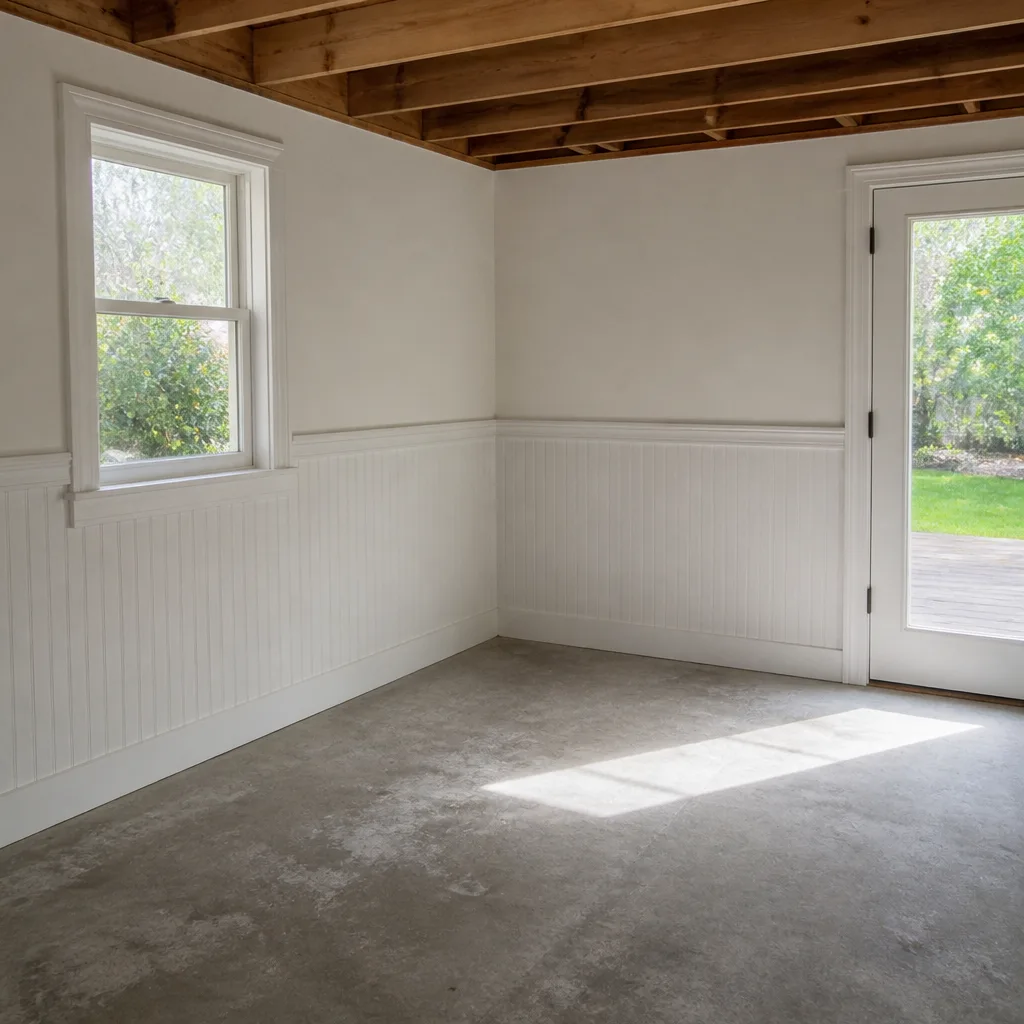 Mold remediation
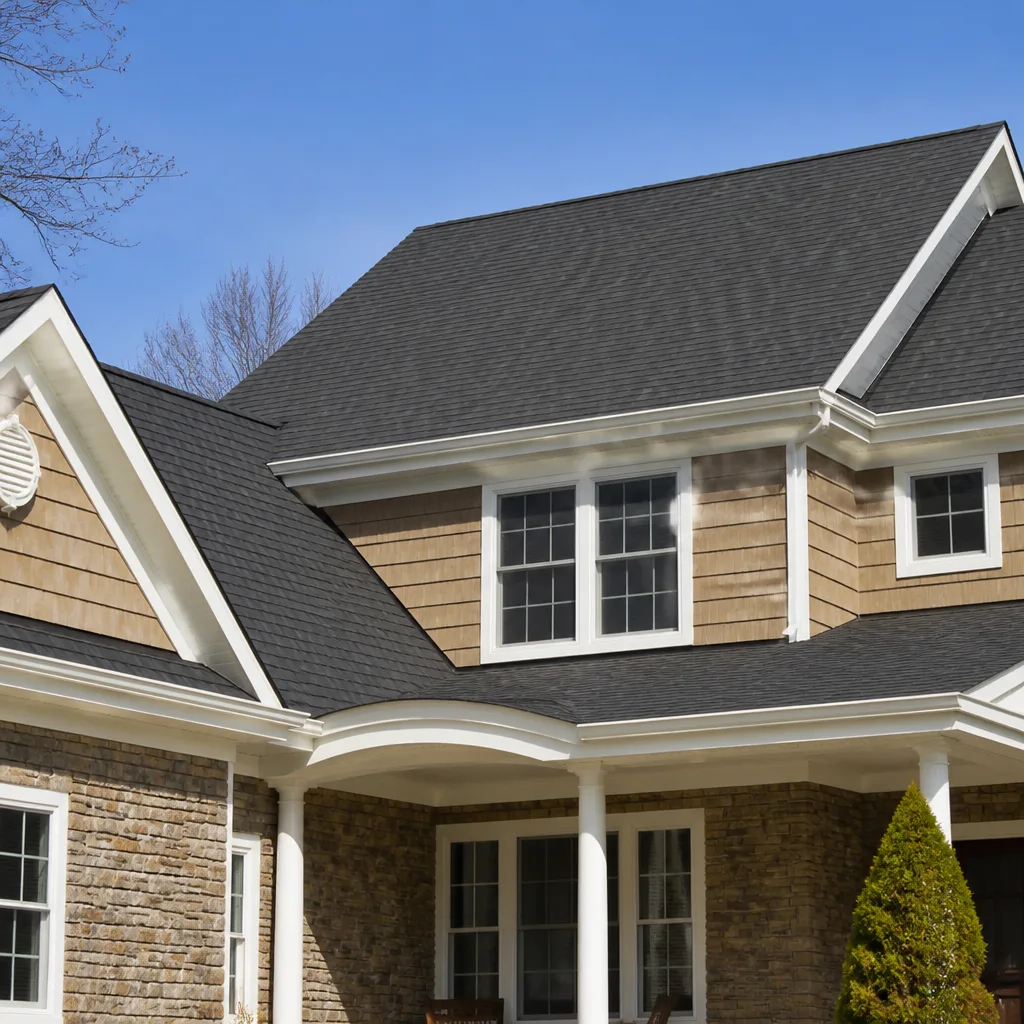 Storm response
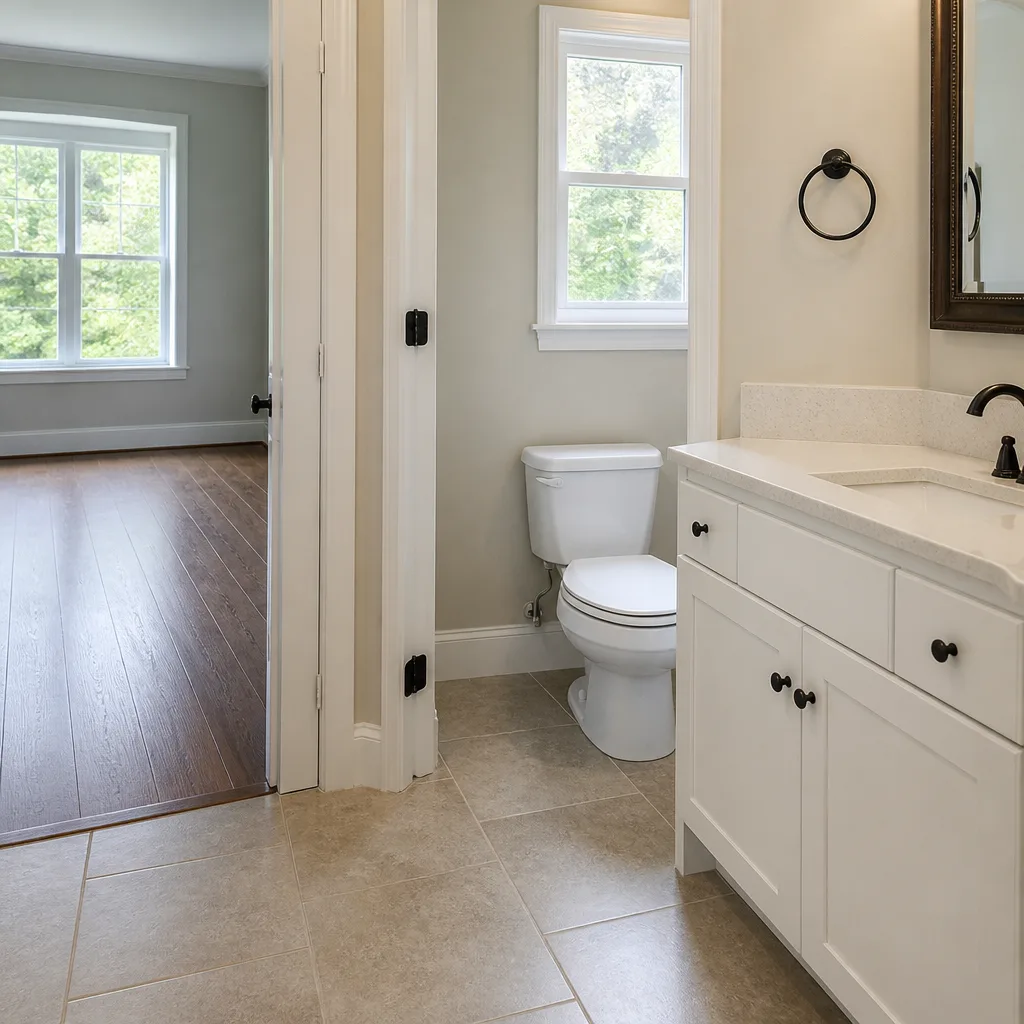 Sewage cleanup
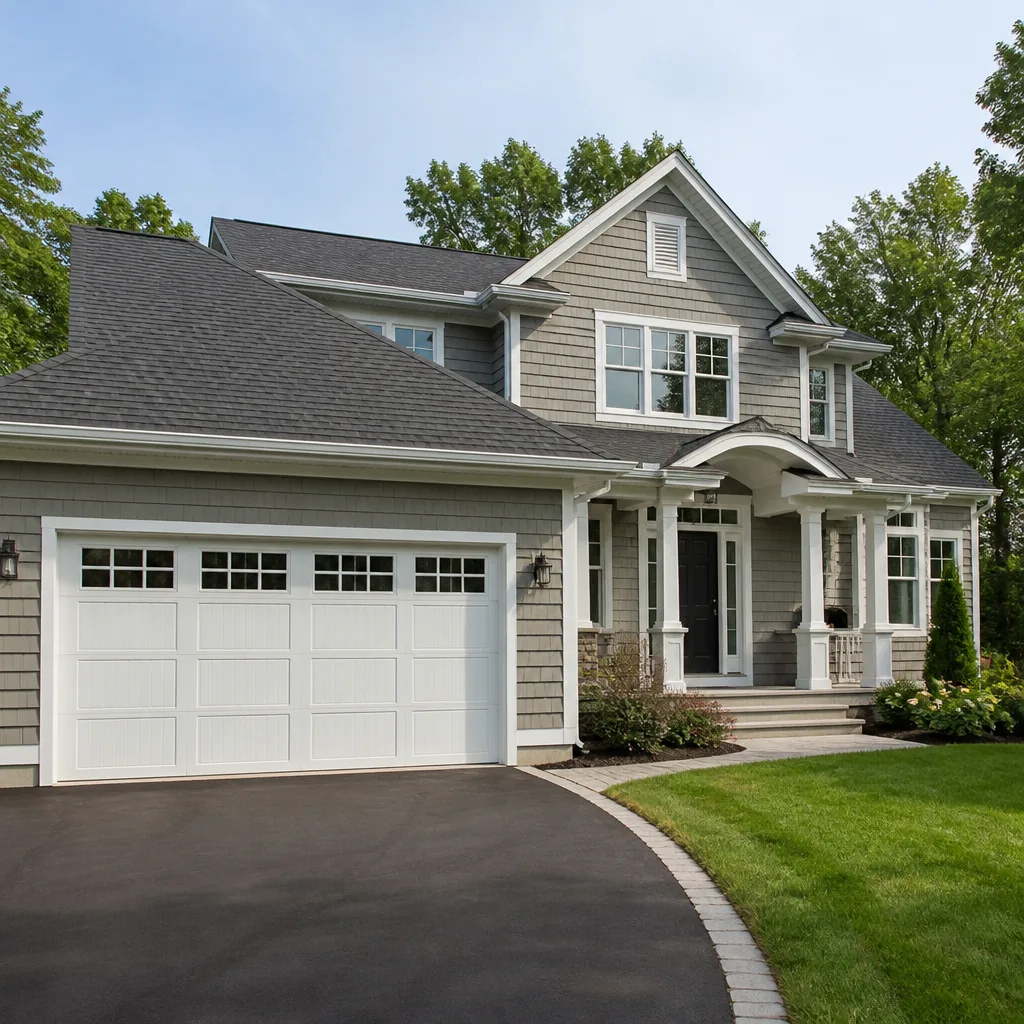 Reconstruction
Free visual inspection and a written scope of work before any mitigation begins - photos, moisture readings, and drying logs go in your claim file
The scope we write is the scope we bill. Anything new gets shown to you, in writing, before we touch it.
Get your free estimateFast, Reliable Water Damage Restoration Across Eastvale
Water damage restoration in Eastvale typically costs $1,200 – $4,800 for a standard Category 1 clean-water mitigation job, and $4,000 – $12,000+ when structural drying, ceiling replacement, or mold remediation are involved. Most Eastvale homes we respond to are 2000s – 2010s two-story tract builds on slab foundations, which means the water you see on the first-floor ceiling usually started on the second floor. We reach most Eastvale neighborhoods within 60 – 90 minutes from our Buena Park base. If water is actively spreading, call (833) 589-9161 now. Every hour of delay in a stucco-and-drywall Eastvale home pushes moisture deeper into wall cavities and subfloor assemblies.
We know Eastvale’s layout: the Harada Ranch loops, the Leal Ranch streets off Sumner, the Sendero and Enclave subdivisions south of Limonite, the newer builds east of the 15 near Hamner and Schleisman. You’re not in an older Inland Empire city with galvanized pipes and knob-and-tube wiring. Your water damage is different. That changes the restoration playbook, and we run the right one for this city.
Why Stonecrest Water Damage Is Eastvale’s Preferred Water Damage Restoration Company
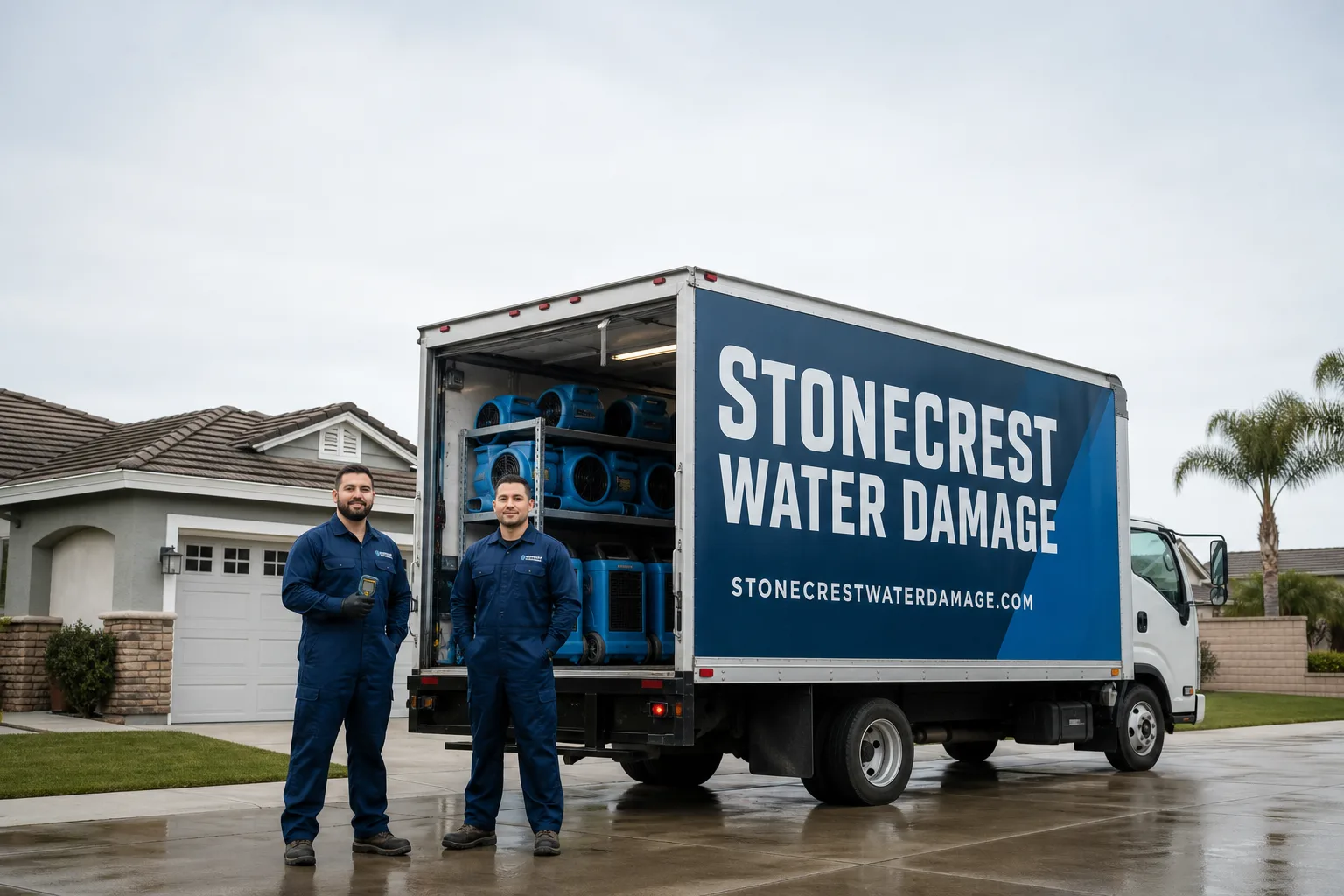
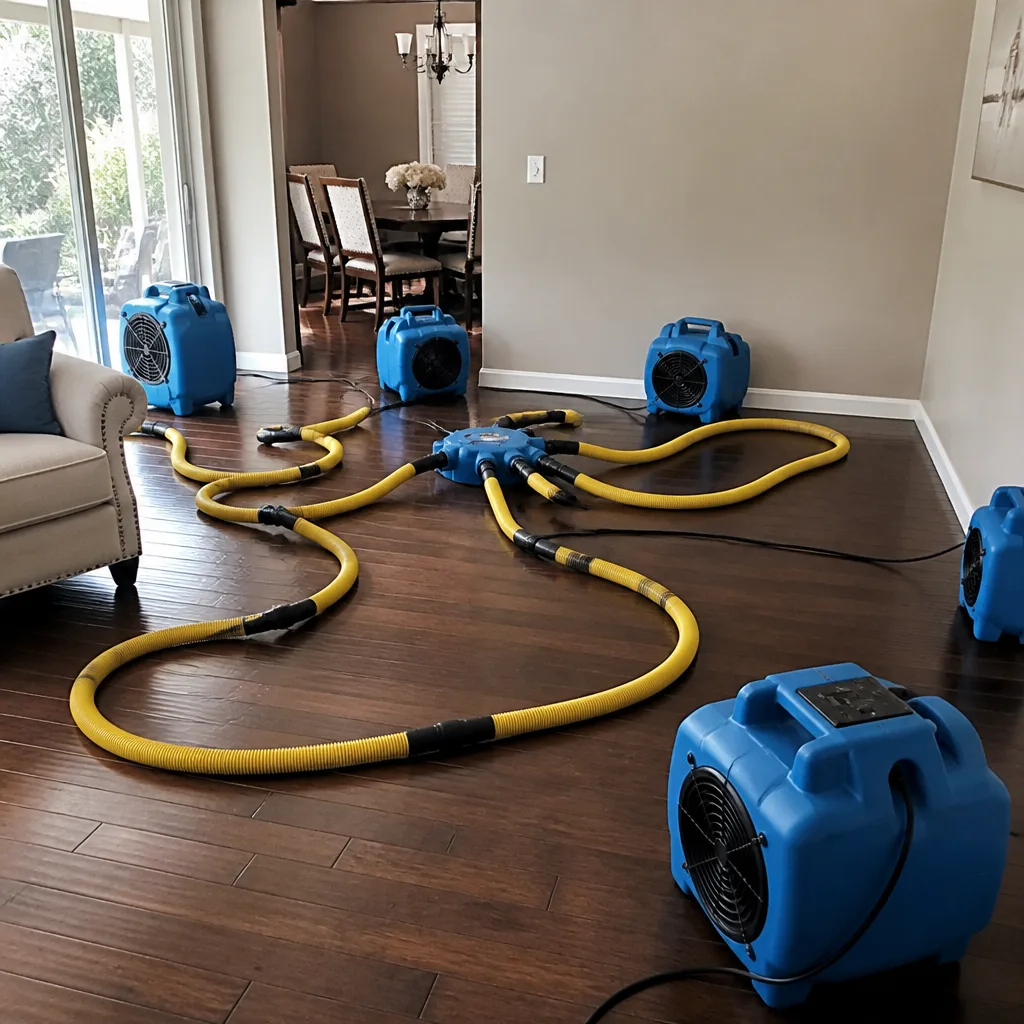
Eastvale homeowners call us because we show up with the same equipment a large-loss commercial restoration crew uses, not rental-store machines. We run Dri-Eaz dehumidifiers, Phoenix air movers, and Injectidry structural drying mats on residential jobs throughout 92860. That matters in Eastvale specifically: your drywall, second-floor subfloor, and tight-lot shared walls need measured, documented drying, not a couple of box fans pointed at a wet spot and a “looks dry to me” verdict.
Our Water Damage Restoration team is certified to IICRC standards, and we operate under RIA and IFA protocols. That means moisture mapping before we start, psychrometric readings during drying, and a written scope agreed before work begins. You’ll know what we’re doing, why, and what it costs. Neil Stratton leads our crews, and the standard he sets is the same one insurance adjusters expect: documentation that holds up to third-party inspection.
Eastvale’s housing stock is nearly uniform, which is actually an advantage for us. The same builder-grade PEX fittings, second-floor water heater platforms, and drywall assemblies repeat across entire subdivisions. We’ve seen the failure patterns in Harada Ranch, in the homes along Citrus Street, in the neighborhoods west of Archibald. That repetition means we diagnose faster and dry smarter here than a company that treats Eastvale like any other Riverside County suburb.
Restoration work we handle
Flooded Basement in Eastvale
Flooded Basement calls in Eastvale are less common than in older cities, since most of the housing stock sits on slab-on-grade foundations. When a basement or below-grade space does flood in Eastvale, it’s typically in the few custom homes or converted agricultural structures on the city’s south and west edges, near the Santa Ana River corridor or original dairy parcels. A slab-level water event in Eastvale more often shows up as water pushing up from a failed supply line under the floor or migrating laterally from an exterior wall intrusion following a monsoon downpour. Either way, the job starts with extraction and moisture mapping, then moves to structural drying with Dri-Eaz and Phoenix equipment. A typical flood cleanup in Eastvale runs $2,500 – $7,000 depending on square footage, water category, and how much drywall or flooring has to come out.
Slab-On-Grade Flooding
When supply lines under an Eastvale slab fail, water travels up through the concrete and saturates flooring, baseboards, and the lower section of interior walls. The fix isn’t just pulling up carpet pad. We cut and remove saturated drywall from the bottom up, dry the wall cavities, and verify the slab moisture level before anything gets rebuilt. Rushing that step in Eastvale’s tight-lot homes means the shared wall with your neighbor just became their problem too.
Monsoon-Driven Basement and Ground-Floor Intrusion
Eastvale sits in the Jurupa Valley’s inland basin, and July through September monsoon storms can dump an inch of rain in under an hour on that concrete tile roof. Water that doesn’t shed properly runs down stucco, pools against the foundation, and finds the path of least resistance into ground-floor rooms. We extract, set containment, and pressurize affected areas with air movers to push moisture out before it wicks deeper.
Water Extraction in Eastvale
Water Extraction in Eastvale almost always starts on the second floor. That’s the defining pattern of this city’s 2000s – 2010s tract homes: an upstairs water heater fails, a washing machine hose bursts in a second-floor laundry, or a PEX crimp ring gives way behind a master bath vanity. The water doesn’t pool where it started. It drops through the floor assembly, saturates subfloor and insulation, then stains the first-floor ceiling below. Extraction in Eastvale means removing standing water quickly, then immediately mapping the hidden migration path through the floor cavity. A standard extraction call in Eastvale runs $800 – $2,200 before drying begins; the full mitigation job including structural drying typically lands between $1,800 and $4,500.
Second-Floor Source Extraction
We trace the wet path from the source line or appliance, extract standing water, pull baseboards where saturation is confirmed, and open the cavity only as much as the moisture map says is necessary. Injectidry mats dry the floor assembly and wall cavities from the inside, which in most Eastvale homes avoids pulling down entire sections of first-floor ceiling. We’d rather dry it than demo it. The structure gets restored to documented standards, not patched.
First-Floor Manifestation
What the homeowner sees is a spreading water stain, bubbling paint, or a sagging drywall section in the family room ceiling. What they don’t see is the saturated subfloor above it. Our techs cut a small inspection opening, measure moisture through the floor assembly, and set equipment to dry both levels simultaneously. In Eastvale’s stucco-and-drywall builds, that two-level drying plan is the difference between a clean restoration and a recurring mold problem six months later.
Trusted Brands We Service in Eastvale
We service and work around every major brand of water heater, washing machine, plumbing fixture, and appliance found in Eastvale’s master-planned subdivisions. Our equipment fleet includes Dri-Eaz dehumidifiers, Phoenix air movers, and Injectidry structural drying systems. We stock common replacement materials for Eastvale’s specific building era, from the drywall thicknesses to the baseboard profiles used in 2000s-era production homes, which shortens the rebuild timeline after mitigation.
See the difference
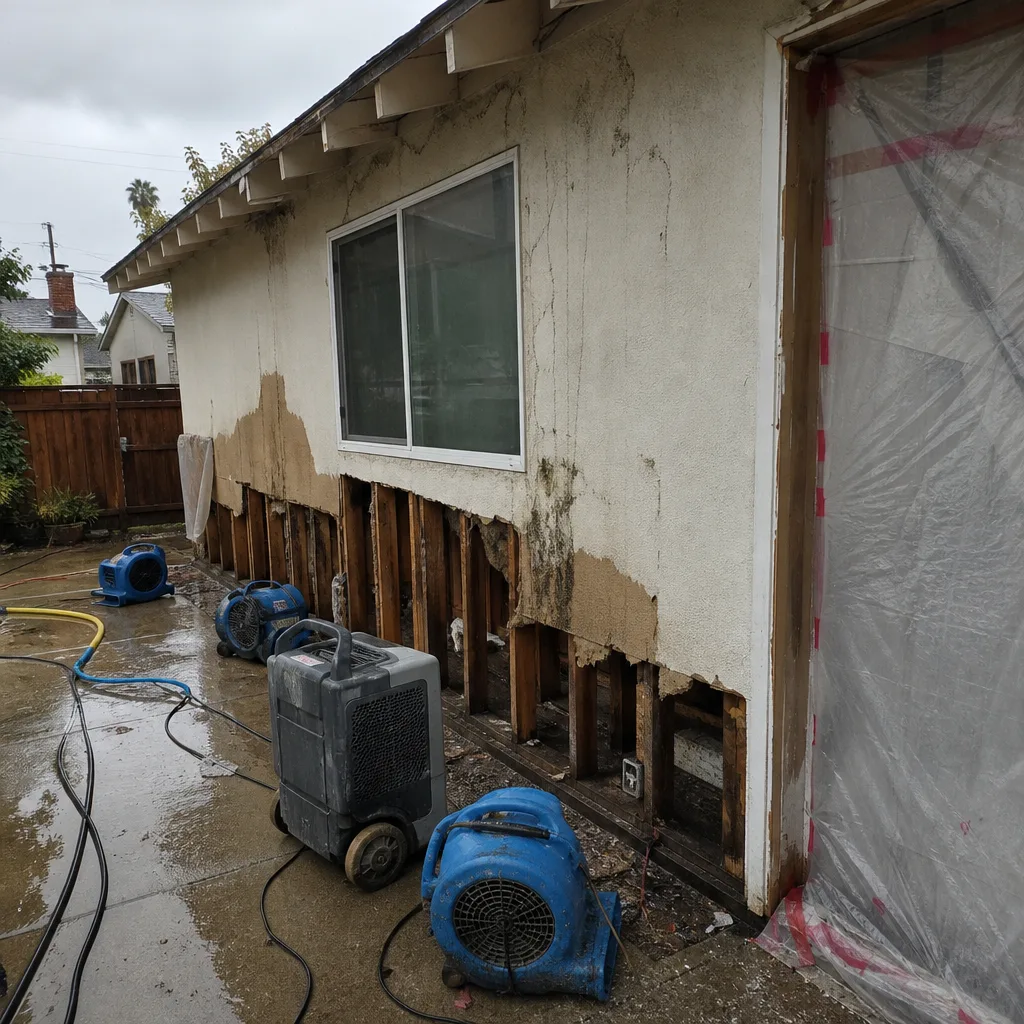 Before
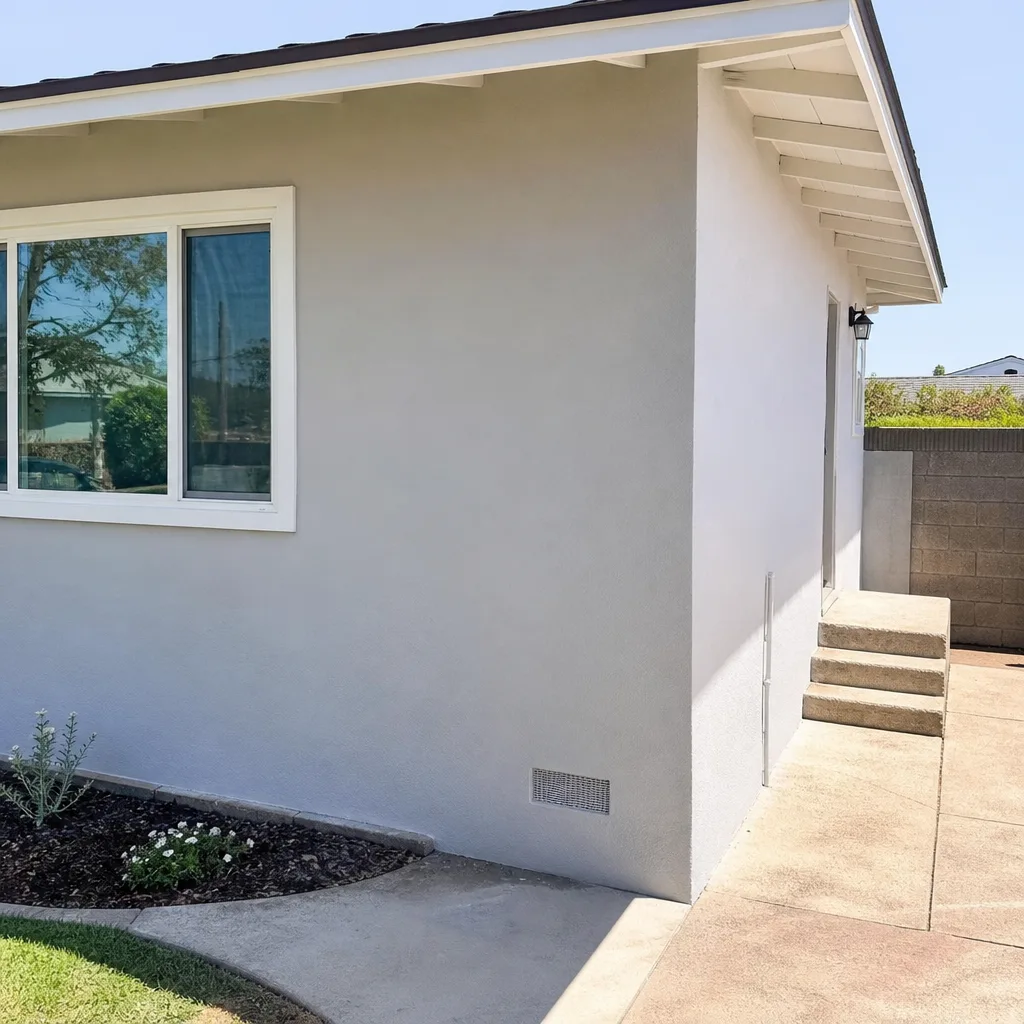 After
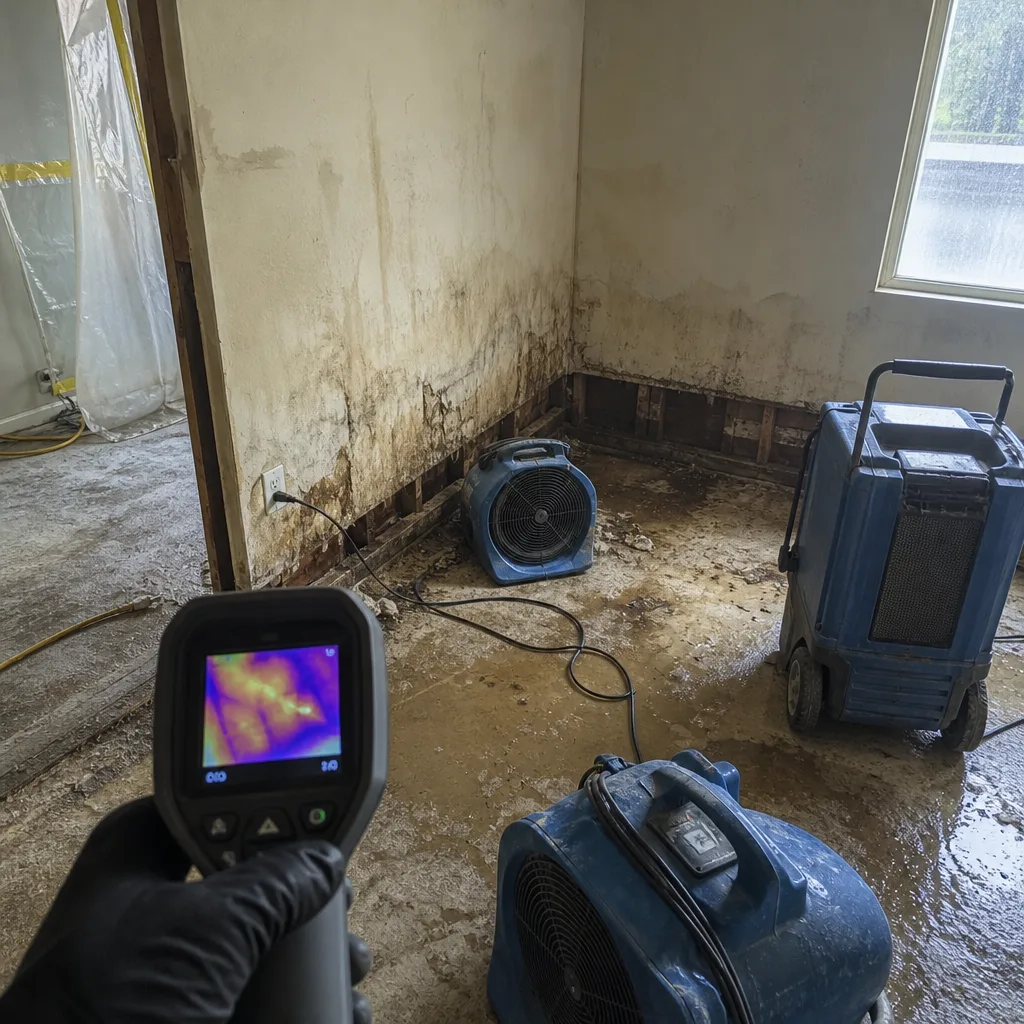 Before
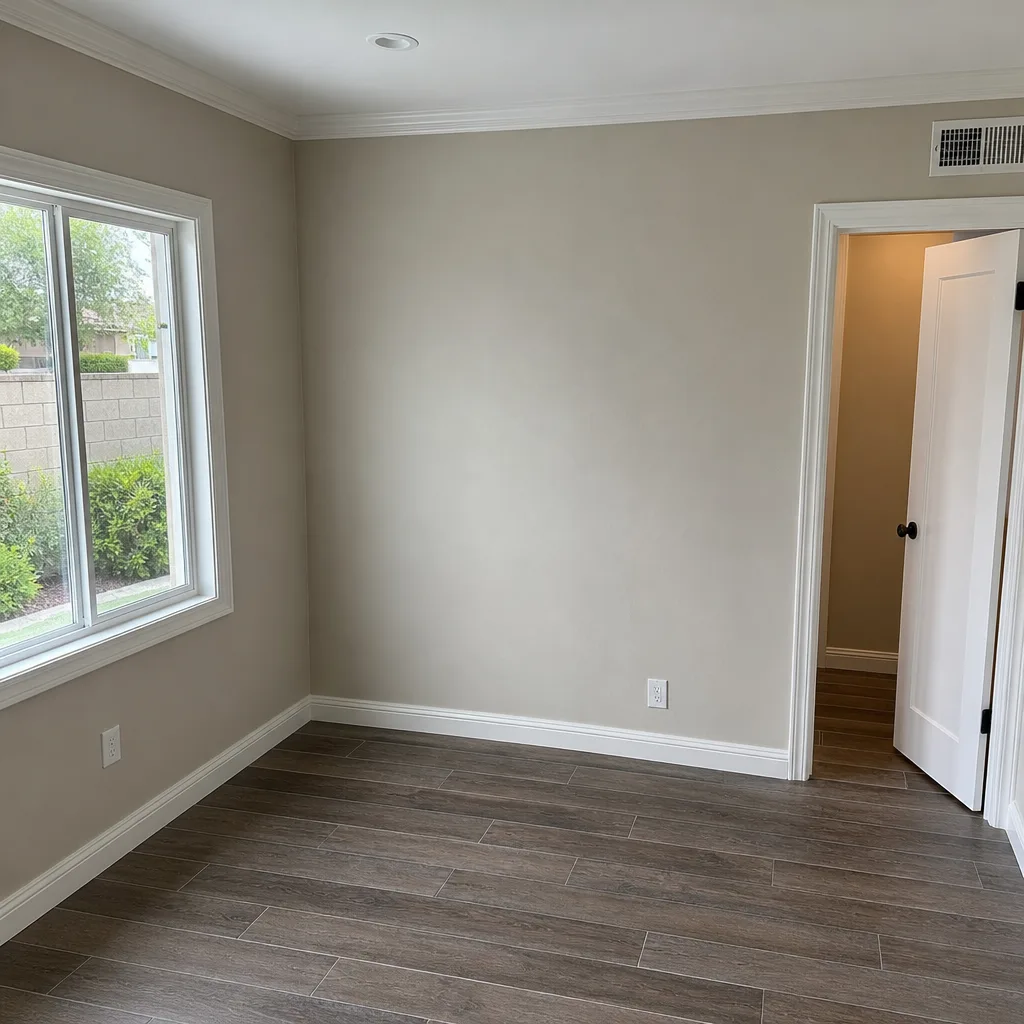 After
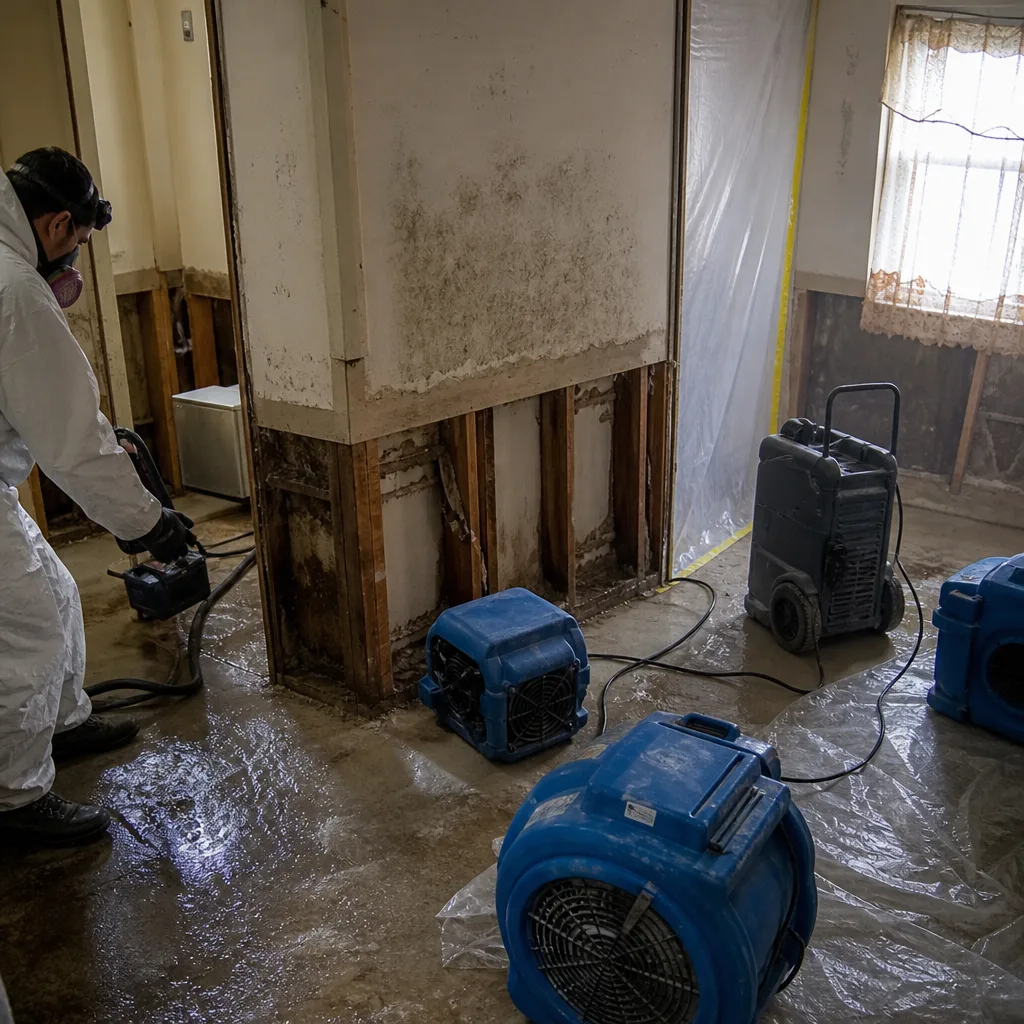 Before
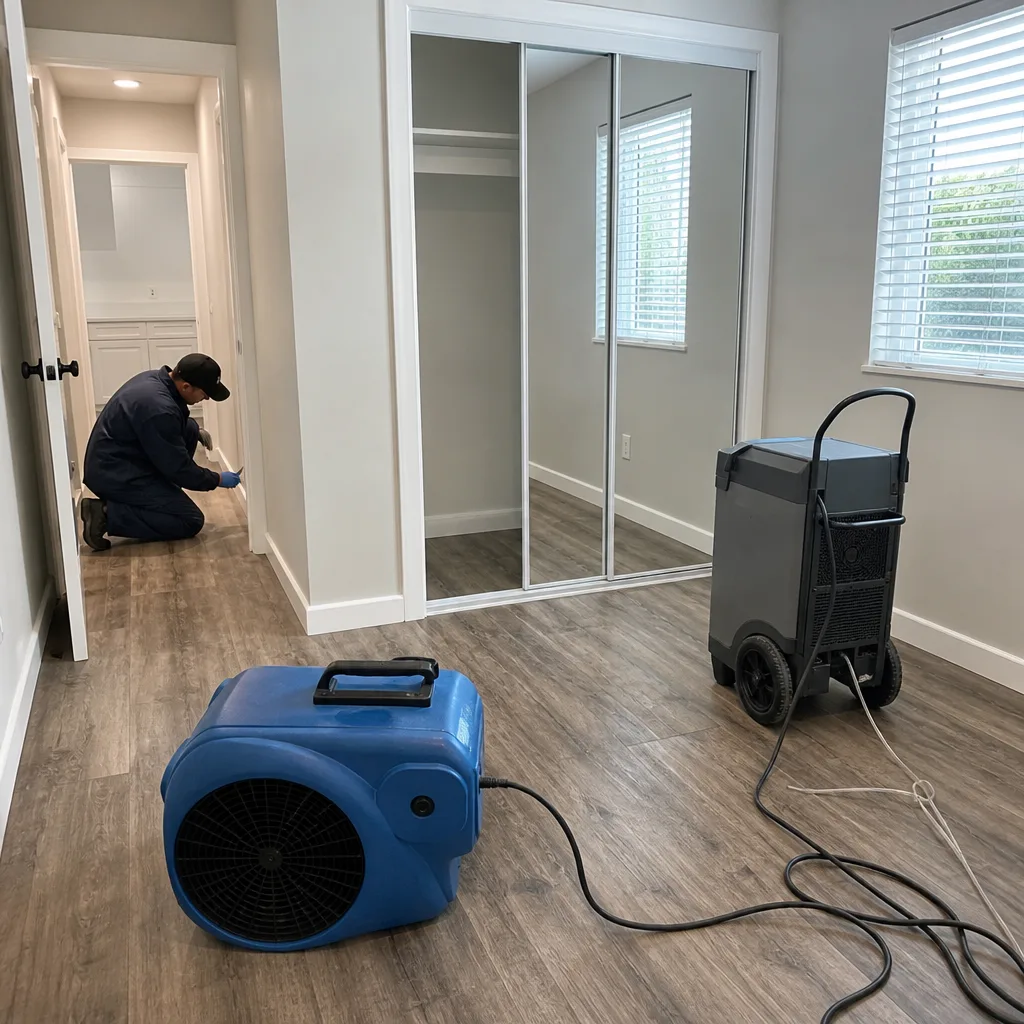 After
Common Water Damage Restoration Problems We See in Eastvale Homes
- PEX supply-line failures on the second floor. Builder-grade PEX fittings installed in 2000s – 2010s Eastvale subdivisions fail at crimp rings, sending Category 1 water into first-floor ceilings. Homeowners often mistake the resulting ceiling stain for a roof leak, when it’s actually a plumbing failure inside the floor assembly.
- Monsoon-season roof intrusion through concrete tile. Eastvale’s July – September thunderstorms push rain through tile underlaps and stucco flashing. Because the arid climate usually evaporates small leaks quickly, mold can establish behind drywall before a homeowner ever sees a stain.
- Upstairs water heaters and laundry rooms. A failed washing-machine hose in a second-floor laundry can release hundreds of gallons that saturate subfloor and insulation before anyone hears it. By the time water shows up downstairs, the floor assembly is fully loaded.
- Tight-lot shared-wall migration. Eastvale lots were carved tight on former dairy land. Water from an upstairs overflow wicks into the shared wall with the neighboring unit, which means mitigation sometimes requires coordinating access and drying across two properties, not one.
Pricing for Water Damage Restoration in Eastvale, CA
Plan on $800 – $2,200 for emergency water extraction in Eastvale, $1,800 – $4,500 for a full structural drying job, and $2,500 – $7,000 for flood cleanup involving slab intrusion or monsoon-driven ground-floor flooding. Ceiling replacement after a second-floor leak runs $1,200 – $3,800 depending on square footage and whether it’s a standard knockdown or a custom finish. Mold remediation following a slow leak starts around $2,500 and scales with containment needs. What moves the number: water category, how much drywall and insulation we have to remove, and whether shared walls or neighbors’ units are involved. We write the scope before work starts. No surprises after the crew is already inside. Call (833) 589-9161 for a free estimate.
We Also Serve Cities Near Eastvale
Beyond our work across Eastvale, Stonecrest Water Damage runs crews into Corona, Chino, Ontario, and Los Serranos. The housing stock and failure modes shift slightly in each city, but the standard doesn’t: measured, documented drying certified to IICRC standards. If you’re in a neighboring city and watching water spread, call us.
Serving Eastvale, CA — Our Local Coverage Area
We’re based in the Eastvale area and know this community well. Use the map below to see our service coverage — if you’re nearby, we can almost certainly help.
FAQs About Water Damage Restoration in Eastvale
Because most Eastvale homes put water heaters, washing machines, and master bathrooms on the second floor, and the PEX supply lines feeding them were builder-grade in the 2000s – 2010s construction boom. When a fitting fails or a hose bursts upstairs, gravity sends the water through the floor assembly into the first-floor ceiling. That’s the signature Eastvale water damage pattern, and why we always moisture-map both levels on every call. Call (833) 589-9161 if you’re seeing a ceiling stain with no obvious source.
Category 1 water from a clean PEX supply line is initially safe, but it degrades fast once it saturates drywall, subfloor, and insulation in Eastvale’s hot summers. Within 48 – 72 hours, especially during July and August, that clean water becomes Category 2 or worse. We treat every second-floor PEX failure as a race against microbial growth, starting extraction and drying immediately. The faster we start, the less demolition is required.
Despite Eastvale’s arid inland climate, mold can establish inside wall cavities and floor assemblies within 48 – 72 hours of a leak, because the interior of a saturated wall isn’t dry, it’s a humid micro-environment. The dry air outside actually makes it harder to notice, since surface moisture evaporates while moisture trapped behind drywall stays wet. That’s why we document moisture levels with meters, not by feel. If you’ve had a slow leak, call (833) 589-9161 before you smell it.
Yes, and it’s common. Eastvale’s tight lot setbacks on former dairy land mean many homes share wall assemblies where water from an upstairs overflow or supply-line failure wicks laterally. On a 2012-built two-story in Harada Ranch, we handled a failed upstairs water heater that stained the first-floor ceiling below and migrated toward the shared wall. Our moisture mapping confirmed the neighbor’s side was dry before we closed the job, but the check had to happen. If you share a wall, the mitigation plan should include it.
We extract standing water, set containment on the affected rooms, and moisture-map the full wall and ceiling assembly to find how far the water traveled behind the stucco and drywall. Eastvale’s concrete tile roofs shed rain quickly, but wind-driven monsoon rain gets under tile laps and flashing, and the water path is rarely visible from inside. We document everything with meters and photos before drying starts. Call (833) 589-9161 the moment you see water; monsoon intrusion gets worse every hour.
When water is moving through an Eastvale home, the clock is running. The sooner we start extraction and measured drying, the more of your original structure we can save. Stonecrest Water Damage serves all of 92860, from the Harada Ranch loops to the neighborhoods along Hamner and Limonite, with IICRC-certified processes and commercial-grade equipment on every job. Neil Stratton and our crews will give you a straight answer, a written scope, and a plan that gets your home back to pre-loss condition per IICRC standards. Call now at (833) 589-9161.
Written by Neil Stratton, Owner at Stonecrest Water Damage, serving Eastvale and the Inland Empire.