

Last updated October 31, 2026
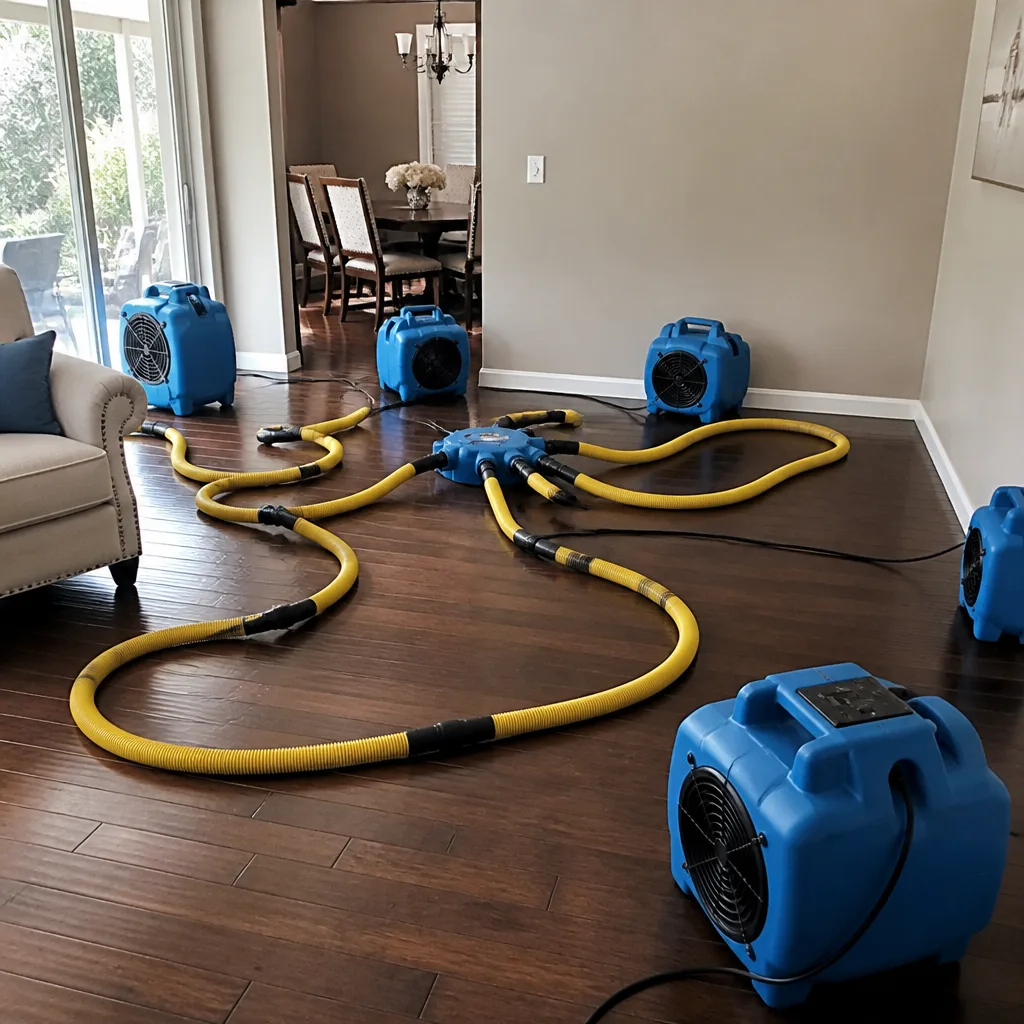 Water damage drying
 Fire & smoke cleanup
 Mold remediation
 Storm response
 Sewage cleanup
 Reconstruction
Free visual inspection and a written scope of work before any mitigation begins - photos, moisture readings, and drying logs go in your claim file
The scope we write is the scope we bill. Anything new gets shown to you, in writing, before we touch it.
Get your free estimateSeasonal Damage Restoration Care for Buena Park: Year-Round Homeowner’s Guide
Most Buena Park homeowners think of property damage as a sudden event: a pipe bursts, a water heater fails, a stovetop fire gets out of hand. But in our experience, a significant share of the water and mold damage we respond to across Orange County didn’t start the day the homeowner noticed it. It started weeks or months earlier as a slow, seasonal stress cycle working against the structure. Buena Park’s Mediterranean climate looks forgiving on the surface. Underneath that stable weather pattern, your home cycles through four distinct moisture stress windows every year. Each one attacks different materials, different systems, and different weak points. This guide maps that real calendar, month by month, so you can inspect with purpose instead of reacting to damage after it’s already spread.
Quick Answer
Seasonal damage prevention in Buena Park means shifting your inspection focus every eight to twelve weeks: post-Santa Ana seal and stucco checks in late fall, roof and rain intrusion monitoring from December through February, drainage and grading review in early spring, and HVAC condensation and appliance checks through the summer cooling months. The damage that shows up in February usually started in October, which is why a dated seasonal inspection log is your strongest tool for catching problems before they become claims, and your best documentation if a claim becomes necessary.
Restoration work we handle
Table of Contents
- October – November: The Post-Santa Ana Assessment Buena Park Skips
- December – February: Rain Intrusion Season and the Roofs That Leak First
- March – May: Drainage, Grading, and the Saturation Point Nobody Watches
- June – September: HVAC Condensation and Appliance Stress Season
- How to Structure an Annual Inspection Log That Holds Up in a Claim
- Common Mistakes to Avoid
- When to Call a Professional
- Frequently Asked Questions
October – November: The Post-Santa Ana Assessment Buena Park Skips
Every fall, the Santa Ana winds sweep through Southern California with single-digit humidity and sustained gusts that can hit 40 to 60 miles per hour in exposed areas of Buena Park. The damage these winds cause isn’t dramatic. It’s cumulative and quiet. Stucco exteriors, which cover a large portion of the city’s housing stock built between 1960 and 1985, expand and contract as humidity swings from near zero during a wind event back to coastal-normal levels a few days later. That cycle stresses the material at its joints. Caulking around windows, door frames, and exterior wall penetrations dries, cracks, and separates. The gaps that open up in October don’t let rain in right away. They sit there, invisible, until the first real storm arrives in December. Then water finds every one of them.
What we’ve seen repeatedly in Buena Park: a homeowner runs an emergency service call in February with water staining along a window frame or baseboard, and the actual entry point was a hairline caulk separation that formed during an October wind event. The rain just needed time to find it.
Here is a targeted post-Santa Ana checklist for October and November:
- Walk every exterior wall. Look at caulk joints around windows, doors, hose bibs, electrical penetrations, and dryer vents. Press lightly with a fingernail. If the caulk feels rigid or crumbles, it’s past its functional life, even if it looks fine from six feet away.
- Inspect stucco for hairline cracks. Pay closest attention to corners, areas around windows, and anywhere two different materials meet. Cracks wider than a credit card edge deserve a closer look from a professional.
- Check window seals and weather stripping. Low-humidity wind events dry out rubber and foam seals. A seal that’s shrunk by an eighth of an inch is enough to channel driven rain behind trim.
- Check roof edges and flashing. Santa Ana winds work flashings loose over time. Lifted flashing at roof-to-wall transitions is one of the most common pre-winter vulnerabilities we document on Buena Park tract homes.
This is also the time to document conditions with dated photos. If water enters later in a spot you photographed in October, your inspection log shows a timeline that predates the damage event. That matters when an adjuster asks when the problem started.
December – February: Rain Intrusion Season and the Roofs That Leak First
Buena Park averages around 13 to 14 inches of rain per year, but nearly all of it falls between December and March. That concentration matters. A roof system that handles a light drizzle without issue can fail catastrophically during the first sustained multi-day storm cycle, because the materials never had time to dry between soakings. Once the underlayment saturates, water migration begins through the path of least resistance, which is rarely the spot where the stain shows up on your ceiling.
The housing stock in Buena Park includes a high proportion of single-story and split-level tract homes built from the early 1960s through the mid-1980s. Many of these roofs are flat or low-slope composition systems that were designed for a mostly dry climate. They don’t shed water the way steep-pitch roofs do. They rely on proper drainage, intact membrane, and functioning scuppers or drains to move water off the surface. When debris from fall winds blocks a scupper or drain, water ponds. Flat and low-slope roofing tolerates some ponding, but sustained ponding over 48 hours pushes water into seams and flashings that were never designed to be continuously submerged.
Specific entry points we pay closest attention to during Buena Park rain season:
- Roof-to-wall transitions. On flat and low-slope roofs, the flashing where the roof meets a stucco wall is a prime intrusion point. Wind-driven rain pushes water up and under lifted flashing.
- Scuppers and roof drains. Blocked by leaves, tennis balls, or debris. When they clog, the entire drainage plan for the roof fails.
- Skylights and roof penetrations. Aging sealant around skylight curbs and vent pipes dries out during fall wind season, then opens up under rain pressure.
- Window sills and door thresholds. On homes without adequate overhangs, driven rain hits these surfaces directly. Worn sill flashing or degraded threshold seals let water track inside the wall cavity.
- Chimney caps and chase tops. Cracks in the concrete cap or rusted chase tops allow water straight down through the structure.
During any multi-day rain event, check ceilings around recessed lights, ceiling fans, and chimney penetrations. Check upper corners of window frames and the base of exterior walls. If you find a bubble in drywall, a soft spot in the ceiling, or paint that’s starting to peel in a pattern that suggests water movement, the intrusion has been active longer than the current storm. That’s the moment to call a restoration company that can trace moisture with meters and thermal imaging, not a general handyman who will patch the visible stain and call it done. We run commercial-grade detection and drying equipment from Dri-Eaz and Phoenix on every water loss we respond to, because a stain on the surface rarely tells you where the water actually traveled inside the wall or ceiling cavity.
For homeowners dealing with rain-related water intrusion in surrounding areas, our Water Damage Restoration in Brea page covers response procedures we follow across North Orange County.
March – May: Drainage, Grading, and the Saturation Point Nobody Watches
By March, Orange County soils have absorbed months of intermittent rain. The ground around your foundation is near saturation, and what happens next depends almost entirely on lot grading. Buena Park is relatively flat compared to hillside communities to the east, but flat terrain creates its own problem. When there’s no natural slope to carry surface water away, water pools. If the grade around your foundation slopes toward the house, even by a few inches over a ten-foot run, every rain event channels water directly against the stem wall or slab edge.
The damage pattern we see in spring is different from winter. In winter, water comes from above and the symptoms are visible: ceiling stains, wall discoloration, water on window sills. In spring, water comes from below and the symptoms are subtle until they aren’t. Hydrostatic pressure builds against foundation walls. Moisture wicks up through the slab. You’ll notice musty odors in rooms that have never flooded, buckling laminate flooring, or baseboards that feel damp to the touch even when it hasn’t rained in a week. That’s when we get calls for what homeowners think is a mystery leak, and the moisture mapping shows the source is the soil outside, not a pipe inside.
Spring grading and drainage checklist for Buena Park lots:
- Check the grade against the foundation. The soil should slope away from the house at least six inches over the first ten feet. Use a level and a straight edge. If the ground is flat or slopes toward the foundation, correct it before next winter.
- Inspect downspout discharge points. Every downspout should terminate at least five feet from the foundation, discharging onto a splash block or into a buried drain line. A downspout that dumps water next to the foundation wall is a active moisture source.
- Check for soil settlement. After a wet winter, soil settles. Areas that were graded correctly five years ago may have compacted and reversed slope. This is common around newer additions, utility trenches, and irrigation lines.
- Review sprinkler and irrigation patterns. Run each zone and watch where the spray lands. Sprinklers that hit the stucco or foundation wall add daily moisture to exactly the area you’re trying to keep dry. Adjust or replace misaligned heads.
- Inspect crawlspace and subarea conditions. If your home has a raised foundation, check for standing water, high soil moisture, and condensation on joists after the rainy season ends. Persistent subarea moisture is a mold incubation environment even if you never see water inside the living space.
If you find mold or persistent moisture in a crawlspace or behind baseboards during these spring checks, the remediation process should follow documented standards, not just surface cleaning. Our team is certified to IICRC standards for mold remediation, and we use moisture measurement throughout the job to verify the source is resolved before sealing anything back up. For homeowners in nearby communities, our Mold Remediation in Brea page explains what a standards-driven approach looks like in practice.
June – September: HVAC Condensation and Appliance Stress Season
Buena Park summers push daytime highs into the 80s and 90s consistently, and the cooling system runs for hours every day from June through September. That creates a moisture profile most homeowners don’t associate with summer. Air conditioners generate condensation as a byproduct of operation. Under normal conditions, that condensate drains into a pan and out through a drain line. But when the system is running hard, three things happen with predictable regularity.
First, condensate drain lines clog. Dust, algae, and debris accumulate in the line over months, and the constant summer flow pushes the blockage into a full clog. The drip pan fills, overflows, and water spreads into the closet, the attic, or the ceiling below. Second, air handler units in unconditioned spaces like attics or garage closets sweat profusely during peak cooling. The insulation around the unit ages, compresses, or comes loose, and condensation forms directly on the cabinet and puddles on the platform or decking below. Third, the temperature differential between the cooled supply ducts and the warm attic air creates condensation on the exterior of ductwork if the duct insulation is inadequate or damaged. That condensation soaks the insulation, drips onto the drywall below, and creates exactly the kind of slow, persistent moisture condition that supports mold growth inside a ceiling cavity.
What makes summer damage tricky is that it mimics slow plumbing leaks. A homeowner sees a wet spot on the ceiling below the utility closet and assumes a pipe is leaking. In many Buena Park homes, especially those with attic-mounted air handlers, the real source is condensation. The fix is not a plumbing repair. It’s an HVAC drain service, insulation repair, or both, followed by drying the affected area to a measured standard. Misidentifying the source means you patch the ceiling and the water comes right back next week.
Summer inspection focus points:
- Check the condensate drain line monthly. Pour a cup of white vinegar into the line access point to slow algae growth, or have the line professionally flushed at the start of cooling season.
- Inspect the drip pan and float switch. The pan should be dry and the float switch should move freely. Test it by lifting the float; the system should shut down.
- Look at insulation on the air handler cabinet. If the exterior of the unit is sweating or the insulation is damp, the vapor barrier is compromised.
- Check ceilings below attic duct runs. Any discoloration, softness, or recurring paint peeling below a duct run suggests duct condensation over time.
- Watch washing machine hoses and water heater supply lines. Summer heat adds thermal expansion stress to rubber hoses and aging connections. These failures spike in late summer.
When condensation damage has already occurred, drying matters as much as the repair. Running a big-box dehumidifier for a weekend doesn’t reach moisture trapped inside wall cavities or under subfloor. We use professional drying systems from Dri-Eaz and Phoenix, plus Injectidry for structural cavity drying where appropriate, to bring materials back to documented moisture targets rather than just making the surface feel dry. That’s the difference between restoring a structure and waiting for mold to appear in six weeks.
Fire risk also rises in summer. While this guide focuses on moisture, the same HVAC systems and appliances that create condensation issues also create the conditions where electrical connections overheat. For homeowners recovering from any fire-related incident, from an appliance fire to a broader structural event, our Fire Damage Restoration in Brea page covers the scope of what a certified fire restoration process involves.
How to Structure an Annual Inspection Log That Holds Up in a Claim
The single most useful habit a Buena Park homeowner can build is a dated seasonal inspection log. It doesn’t need to be complicated. A spiral notebook, a notes app, or a spreadsheet all work. What matters is that you record what you looked at, what you found, and what you did about it, on a regular schedule. When damage occurs, this log becomes evidence. It shows the insurance adjuster that you maintained the property, that you were aware of conditions before they became claims, and that you took reasonable steps to prevent loss. That documentation can be the difference between a smooth claim and a denied one.
A useful log entry includes:
- Date and season. Record it. Sounds obvious. Most people don’t.
- Areas inspected. List them specifically: roof flashings, window caulking, downspout discharge, water heater closet, attic duct runs, etc.
- Findings. Note anything abnormal, even if it seems minor. Include measurements where possible: crack width, puddle size, time water was standing.
- Actions taken. What you fixed, cleaned, adjusted, or scheduled for professional attention.
- Photos. Take them of anything you note in findings. Date-stamped photos with a location description are powerful claim documentation.
- Follow-up needed. If you flagged something for later, write down the date you plan to re-check it.
- Waiting for visible damage before investigating. By the time a ceiling stain or baseboard discoloration appears, the moisture condition has typically been active for weeks or months. The visible mark is the endpoint of a migration path, not the start of the problem.
- Ignoring the post-Santa Ana window. The October – November check is the one most Buena Park homeowners skip entirely. It’s dry, the weather is pleasant, and nothing looks wrong. The cracked caulk and lifted flashing you miss in October become the leak you call about in January.
- Treating condensation as a minor annoyance. Persistent HVAC condensation creates the exact slow, steady moisture conditions that support hidden mold growth inside cavities. Wiping up the puddle without resolving the source guarantees recurrence and compounds the eventual remediation scope.
- Patching without tracing. Painting over a water stain, replacing a section of drywall, or re-caulking a window without verifying the moisture is gone from the surrounding materials hides the problem rather than fixing it. If the framing is still wet, the damage continues behind your patch.
- Drying with household equipment only. A rental fan and dehumidifier from a big-box store can dry the air in a room, but they don’t create the air movement and vapor pressure differential needed to pull moisture from wall cavities, subfloor, and structural lumber. The surface feels dry. The structure isn’t.
- Skipping documentation because “it’s probably nothing.” Your future insurance claim depends on what you can show, not what you remember. Photograph it, note it, file it. The ten minutes it takes in October can save weeks of claim negotiation later.
- Assuming flat terrain means no drainage problem. Flat lots are the ones that pool. Homes on flat Buena Park lots with no obvious slope often have the worst foundation moisture issues because water has nowhere to go.
Structure the log around the four seasonal windows covered in this guide. In October, log your post-Santa Ana exterior seal check. In January, log rain intrusion observations after each significant storm cycle. In April, log drainage and grading findings. In July, log your HVAC condensate and appliance checks. Four documented inspections per year take a few hours total and create a running record that demonstrates responsible ownership. When you eventually need restoration work, that same log helps the restoration team identify patterns that point to the actual source faster. A home with a documented history is faster and cheaper to restore than one where every finding is a surprise. You can learn more about our overall process from the Stonecrest Water Damage home page.
Common Mistakes to Avoid
When to Call a Professional
Some findings in your seasonal inspection are maintenance items you can handle yourself: re-caulking a window, cleaning a scupper, adjusting a sprinkler head. Others require a restoration professional with moisture detection equipment, commercial-grade drying systems, and the documentation discipline to restore the structure to a verifiable standard. Call a professional when you see active water intrusion during or after rain, when baseboards or walls feel damp more than 48 hours after the moisture source stopped, when you detect a persistent musty or earthy odor that doesn’t clear with ventilation, when your HVAC drip pan overflows repeatedly, or when any visible mold growth appears in any location, regardless of size. These conditions indicate moisture is present where you cannot see it. Stonecrest Water Damage offers free estimates in Buena Park. Call (833) 589-9161 to have a certified technician assess the condition and provide a written scope before any work begins.
Frequently Asked Questions
Water damage restoration in Buena Park typically ranges from $1,500 to $8,000 depending on the affected square footage, the category of water involved, and whether structural materials need drying in place or removal and replacement. Small isolated losses like a water heater leak in a garage may run on the lower end, while multi-room rain intrusion through a failed roof system can reach the higher end quickly. The most accurate way to determine cost is a professional assessment with moisture mapping, which Stonecrest Water Damage provides at no charge. Call (833) 589-9161 for an exact quote after a technician evaluates the scope.
Standard homeowner’s insurance policies in California generally cover sudden and accidental water damage, such as a burst pipe or a storm-driven roof leak, but do not cover damage resulting from gradual deterioration, lack of maintenance, or long-standing drainage problems. This distinction is why your dated inspection log matters so much. A log showing you identified and addressed issues on a seasonal schedule supports your position that the damage was sudden rather than neglected. Our team documents every job with moisture readings, photos, and written scopes that align with what adjusters expect to see.
When water is actively entering your home during or after a storm in Buena Park, response time matters because structural materials begin absorbing moisture immediately and the risk of secondary damage, including mold, increases with every day that passes. Stonecrest Water Damage maintains emergency response capability for active water intrusion events. Call (833) 589-9161 and a technician will guide you through the immediate steps to limit damage while a crew is dispatched to your location.
The answer depends on what the moisture mapping shows. Surface water that was addressed within 24 to 48 hours, with no wall or floor penetration, may only require cleaning and drying of affected materials. But water that has been present longer, that has wicked into drywall, insulation, or subfloor, or that originated from a contaminated source requires structural drying or removal per IICRC standards. A professional assessment with moisture meters and thermal imaging is the only way to know which category your situation falls into. We never recommend demolition that isn’t supported by measured moisture data.
You are the policyholder, so the claim is ultimately yours to manage. But a restoration company that understands insurance documentation can make the process significantly smoother. We provide the documentation adjusters require: moisture readings before, during, and after drying; photo records of affected areas; written scopes of work; and itemized drying logs. We coordinate directly with adjusters where needed so the technical details are communicated accurately. That documentation-based approach is part of how we work on every job in Buena Park, and it’s a significant reason our clients tell us the claim process went more smoothly than they expected.
First, stop the source if it’s safe and obvious: shut off the water supply to the affected fixture or appliance, tarp a roof penetration if you can do so safely, or turn off the HVAC system if it’s producing the condensation. Second, protect contents by moving furniture, rugs, and electronics out of the affected area. Third, take photos of the visible damage from multiple angles before anything is moved or cleaned. Fourth, call a restoration professional for a moisture assessment. Do not start cutting into walls or pulling up flooring until the moisture extent has been mapped. If moisture is trapped where you can’t see it, opening the wrong area can spread contamination. Call (833) 589-9161 and we’ll walk you through it.
The Bottom Line
Buena Park’s damage calendar doesn’t follow the seasons most people think in. The real cycle runs from October’s dry Santa Ana stress through February’s roof intrusion, April’s saturated soil, and August’s air-conditioned condensation. Each window has its own inspection targets, its own failure patterns, and its own prevention opportunities. A homeowner who checks the right things at the right time, documents what they find, and calls a certified restoration team when moisture is present will spend dramatically less over the life of the property than a homeowner who reacts to visible damage after it appears. The damage that shows up in February almost always started in October. Your job is to catch it in that in-between window, and when you can’t, to have a team that restores to a measured, documented standard, not just a surface patch.
Written by the team at Stonecrest Water Damage, serving Buena Park since 2013.
See the difference
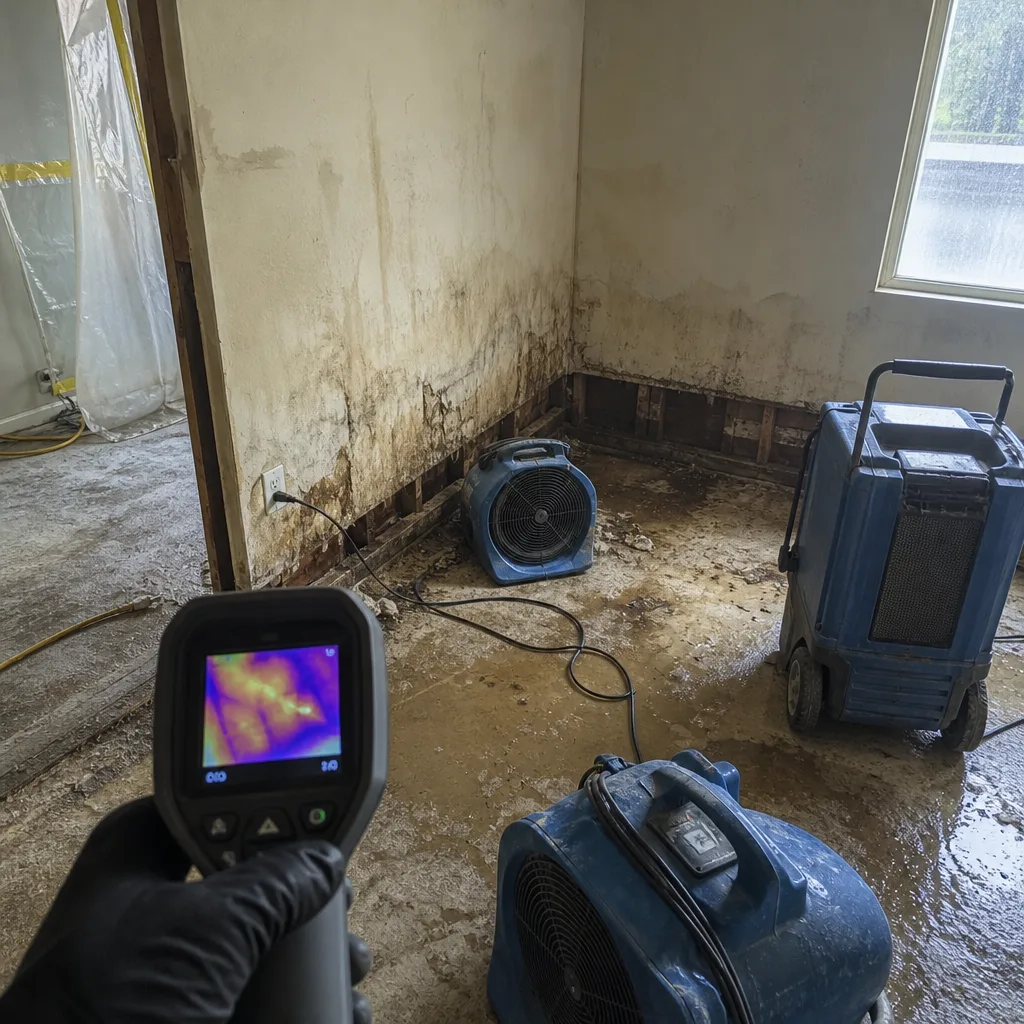
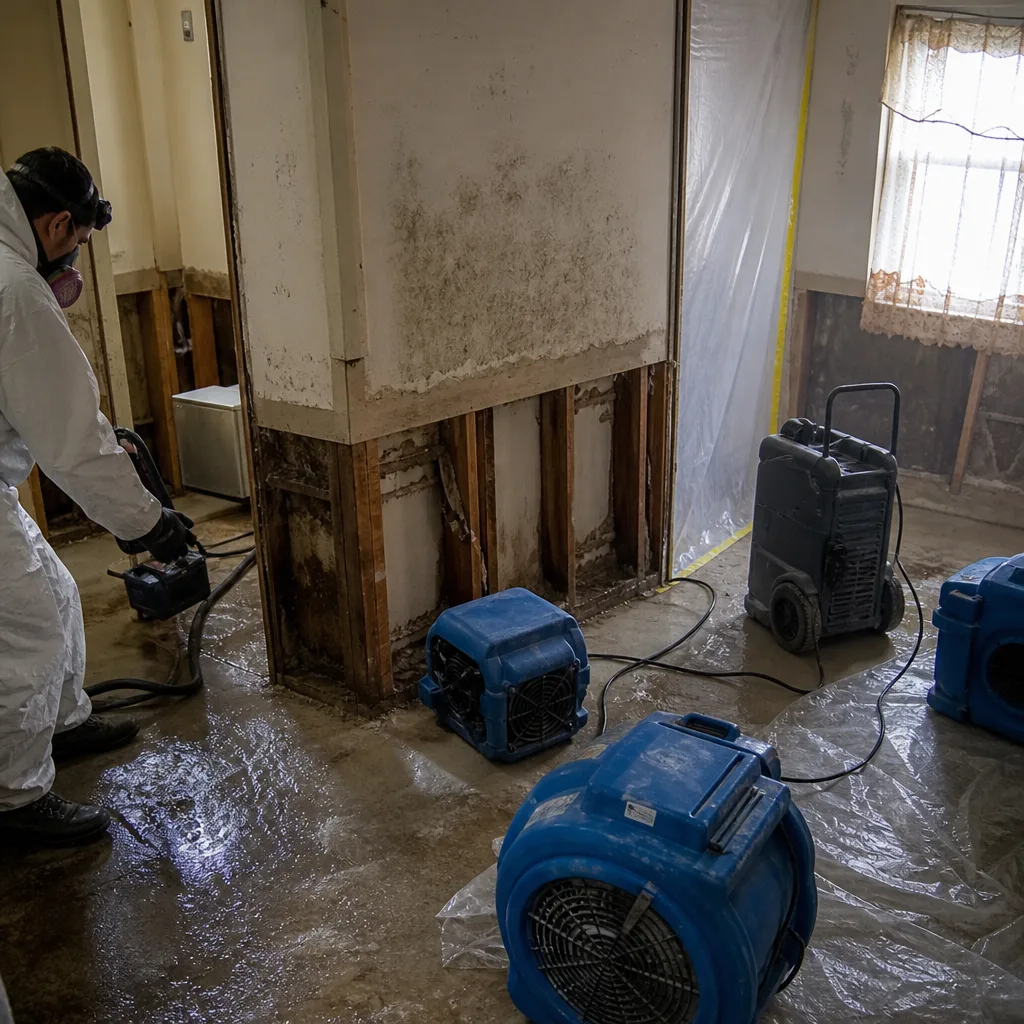
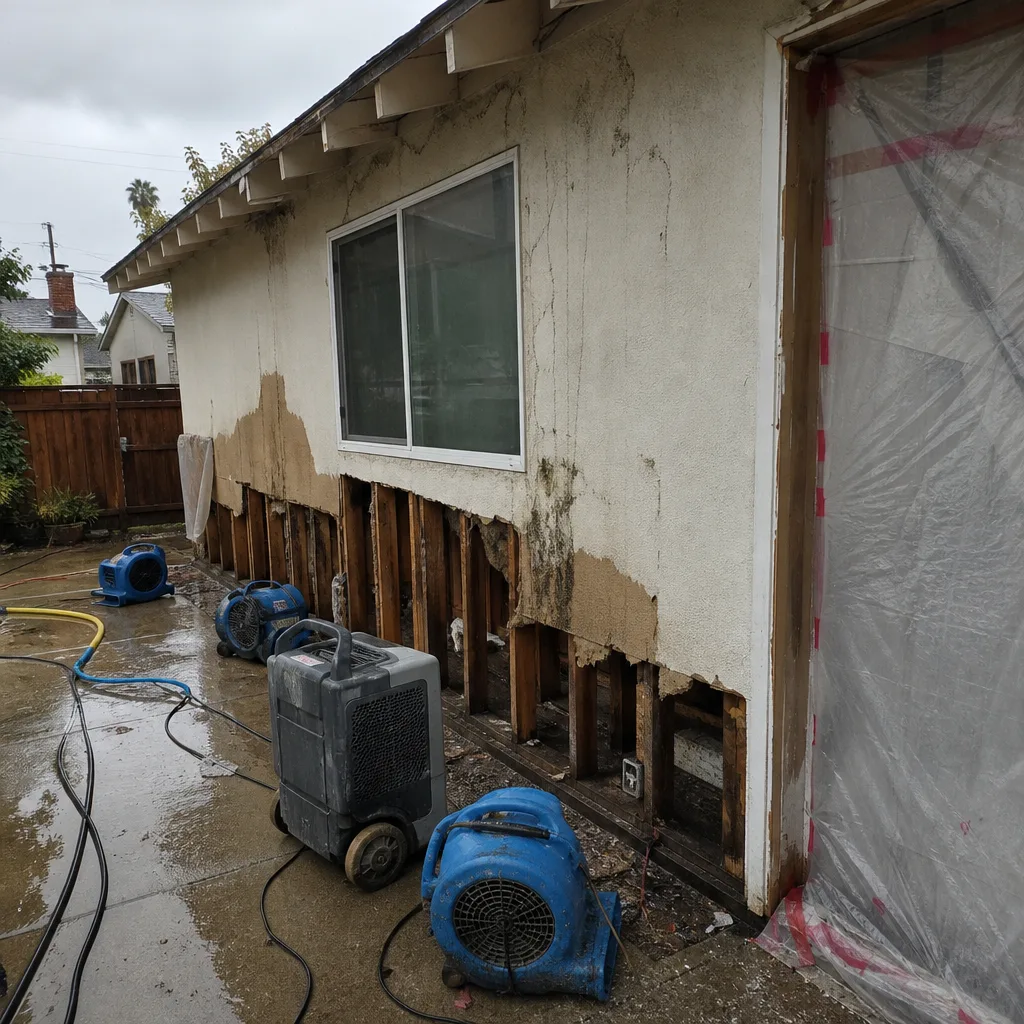 Before
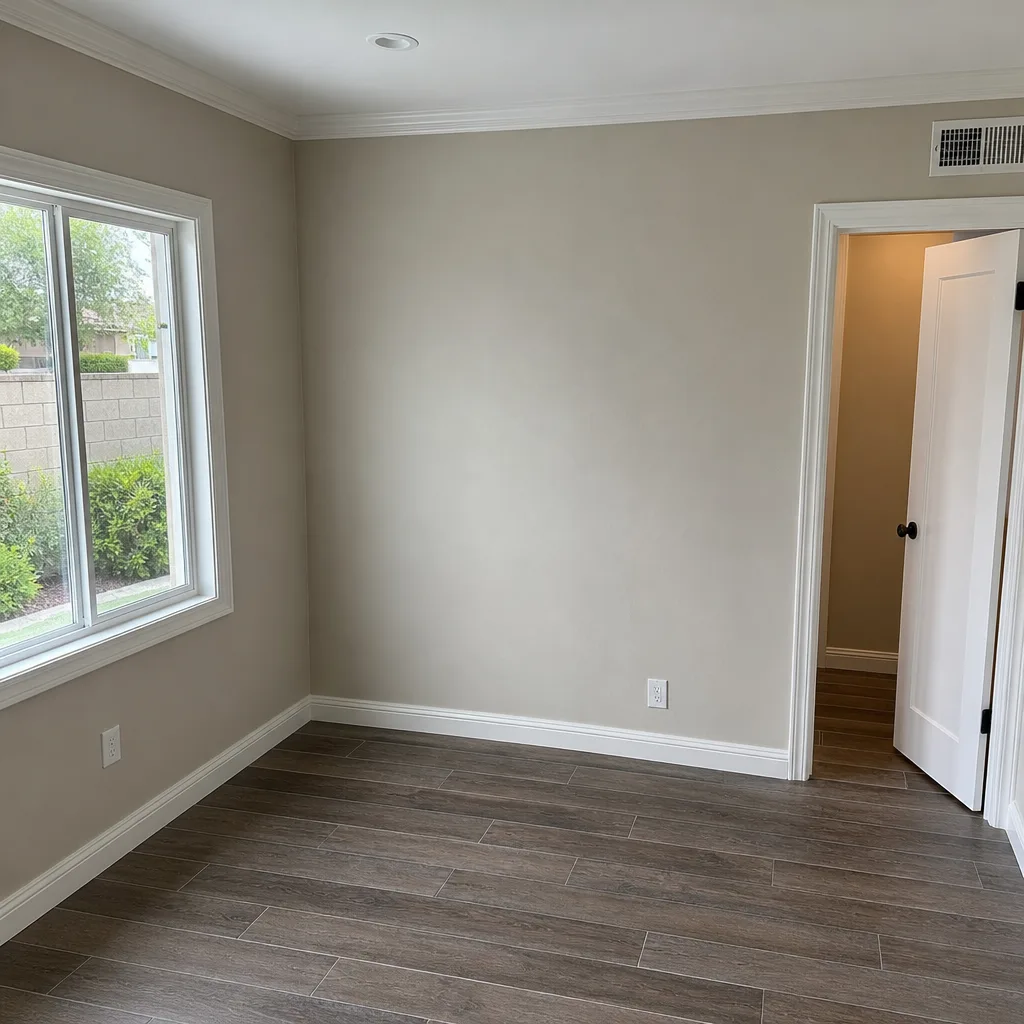
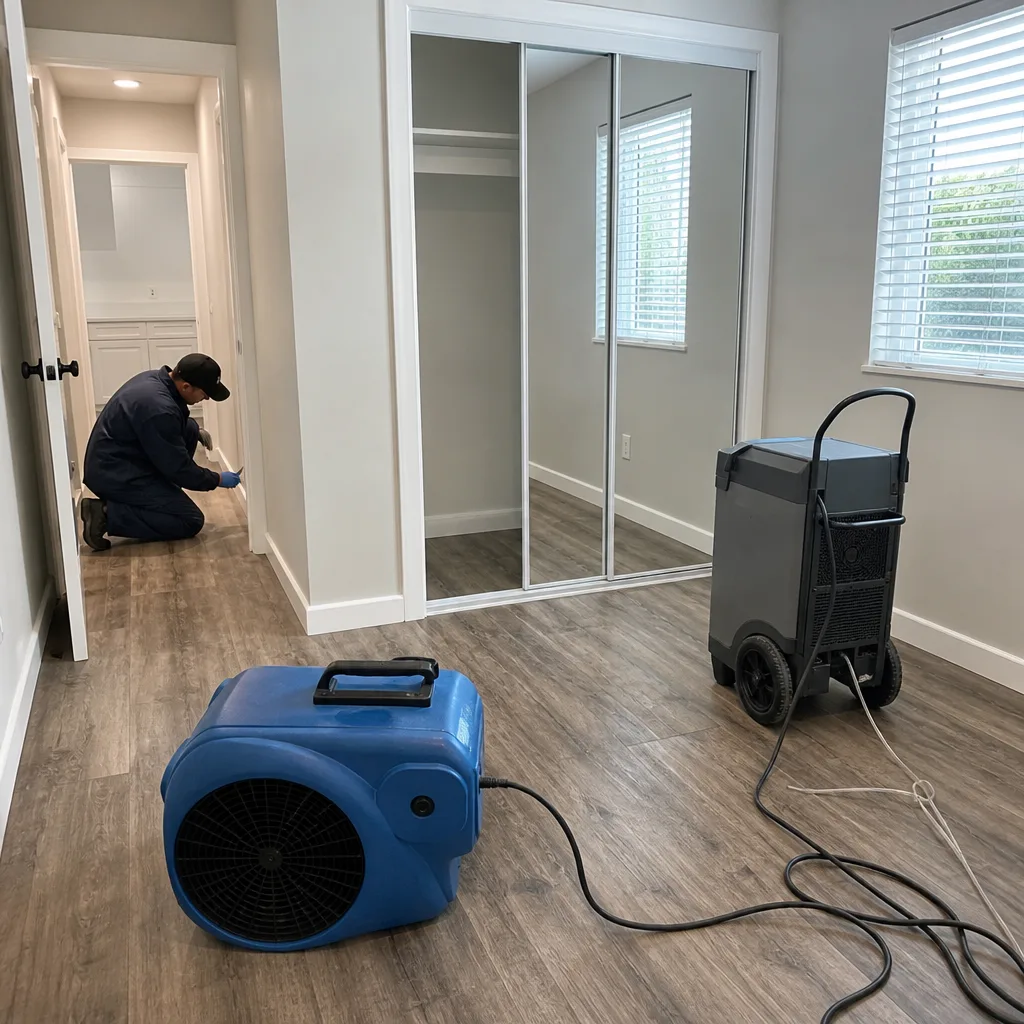
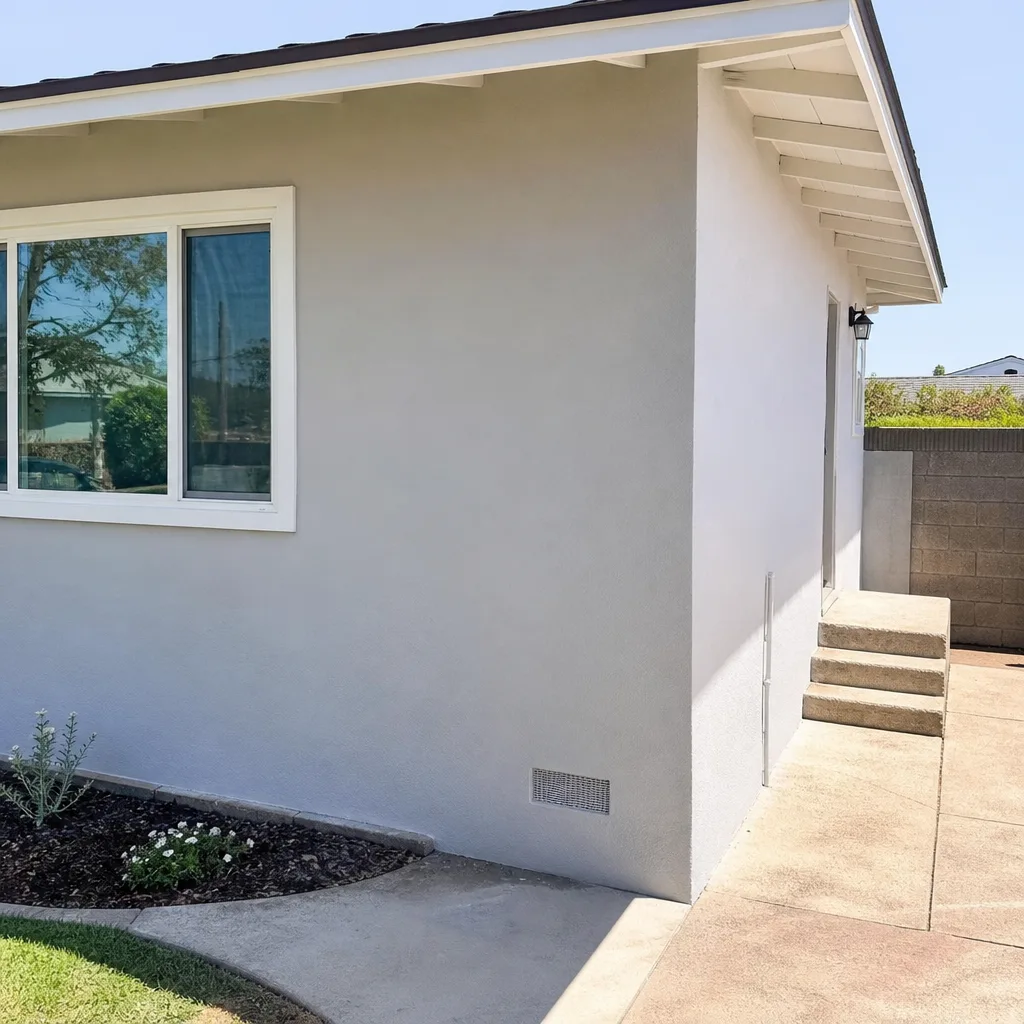 After
 Before
 After
 Before
 After